

Gainesville Code Violations That Surprise Landlords
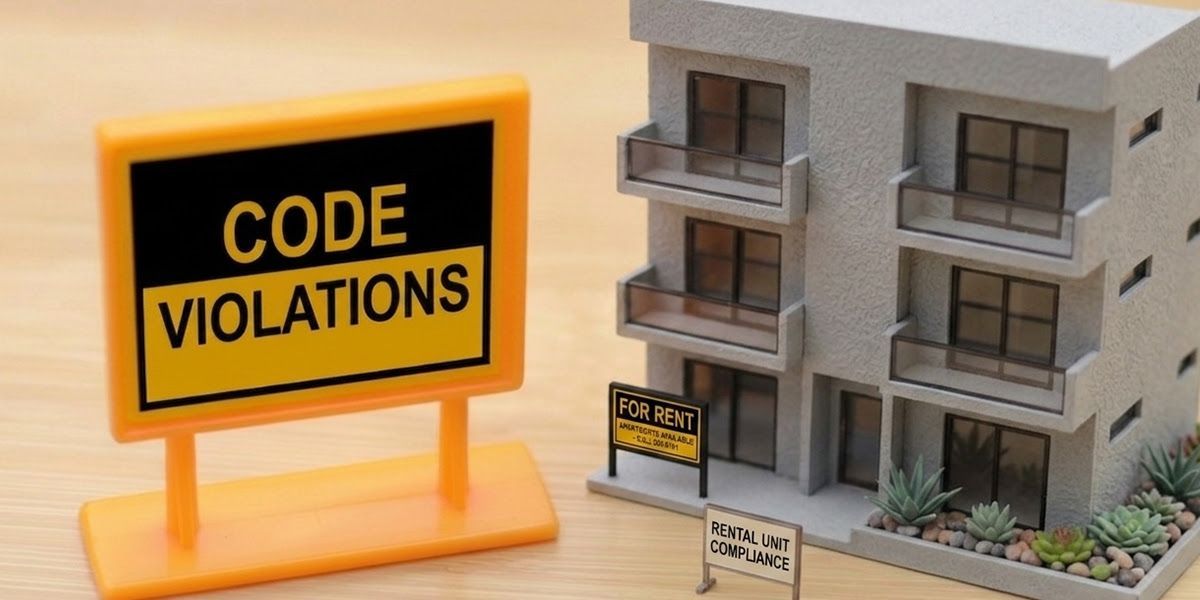
Rental property in Gainesville carries serious regulatory weight. The city is right next door to the University of Florida, which drives an unusually high rate of tenant turnover - and the local code enforcement office watches properties very closely because of it. Violations get mailed out fast. By the time that letter lands in your mailbox, the fees have already started to add up. It's a market that doesn't leave much room if you aren't prepared.
The first sign of a problem is usually a citation at the door - for something that you assumed was the tenant's responsibility or something that never even registered as a city-level concern. Yard height limits, exterior paint standards, occupancy caps and rental registration are all part of Gainesville's local code. None of them necessarily line up with what's standard in other Florida markets. Violate any one of them and the fines can pile up fast.
A fine is usually just the beginning of what's at stake. When a citation goes unresolved, it can go all the way to a code enforcement board hearing, a lien recorded against the property and eventually a real threat to the landlord's ability to rent that unit at all.
A clean compliance record protects the income that your property brings in and puts you on great terms with the city. In my experience, landlords who make this a part of their process early on usually wind up spending far less time and money on it compared to landlords who wait until something has already gone wrong.
Here are some of the Gainesville code violations worth knowing about.
The Rental Registration Step Most Landlords Miss
Gainesville has a rental registration program, and a fair number of landlords have never heard of it. The registration goes directly through the city itself. Miss that step, and you could already be in violation before your first tenant ever walks through the door.
Most landlords gloss right over this part, and it's one of the most important pieces of the whole process. A complaint doesn't need to be filed against you for a violation to actually show up - the registration gap alone is enough to land you on the wrong side of local code.
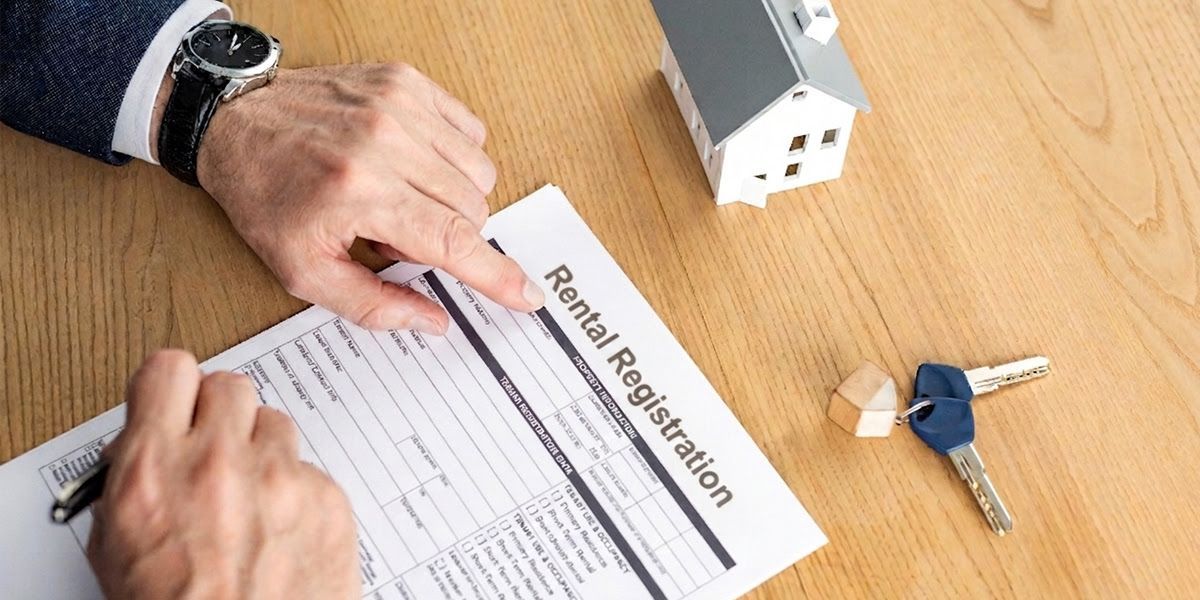
Out-of-town investors run into this, and most will. When a property gets purchased remotely, the energy tends to go toward the lease agreement, tenant screening and rent collection - which makes total sense. The local compliance paperwork is by far the less glamorous side of rental property ownership and tends to get pushed off to the side. First-time landlords can land in the exact same boat, mostly because no one ever tells them they even need to register until something has already gone wrong.
A lapse in registration can remove your property from the normal inspection cycle altogether - it's where problems start to get out of hand. By the time the city gets around to your property again, the issues that have piled up are going to be quite a bit harder to sort out than they would have been from day one.
That's the first detail to get squared away. It's a small step that carries a lot of weight.
Yard Fines That Come Faster Than You Think
Gainesville's lot maintenance ordinance puts the cutoff at 12 inches - once grass or weeds on your property reach that height, you're eligible for a violation. That violation goes directly to whoever is listed as the property owner on record, no matter the circumstances.
Most landlords work with this by adding yard care to the lease, which does make some sense on paper. The city doesn't care what your lease says or who was responsible for the lawn. An overgrown yard still results in a citation, and that citation goes straight to you as the property owner - not the tenant and not the property manager.
It can be an issue for landlords who don't live close to their properties - without standard visits, these small problems can pile up. A tenant might let the grass go without even realizing it's become a violation. Since the landlord isn't driving by every day, neither one of them notices until a formal warning has already been issued.

A local contact matters here - a neighbor, a property manager, or a lawn service on a standing contract will all do the job. You need a person who can physically walk the property every couple of weeks because that level of visibility just isn't something that you can get from a distance. Most landlords in my experience don't put this in place until after the first citation - and that's the worst possible time to start.
The citation process in Gainesville moves fast once a violation gets flagged, and the city doesn't hand out warnings before penalties start to escalate. An inspection of your own before the city sends one out is worth doing. A recurring lawn contract is probably your easiest path forward here - the grass stays on a set schedule, and you're not left relying on a tenant to stay on top of something that likely isn't high on their list.
Occupancy Limits
Gainesville has a strict limit on how many unrelated occupants can legally share a single rental unit - three in most residential zones. For landlords near the University of Florida, it's one of the laws that looks easy enough on paper but tends to get messy fairly fast.
The problem with these leases is that no one enforces them on their own. A tenant can sign with one other person, then quietly bring in two or three more roommates a few months later. The landlord never approved it, never got word of it and may have had zero idea it was even happening. A code officer can walk in anyway, and the landlord is still the one who has to answer for it.
There's a chance that you wouldn't know if a tenant quietly added a roommate halfway through the lease or if that extra person pushed the unit over the city's occupancy limit. A well-written lease will spell out who's allowed to live there. That part of the contract is worth having - but only if you're checking in on it every now and then.

This tends to come up most in areas like Duckpond, Midtown and the neighborhoods closest to campus. Student renters cycle in and out, and those informal living arrangements change on their own over time. Before long the occupancy has crept past what the city allows and no one sat down one day and decided to violate anything. A landlord who doesn't keep a close eye on who's actually in their units can find themselves with a violation they had no part in creating, which is one of my least favorite situations to see.
The upside is that none of it is all that hard to manage. A couple of walk-throughs a year, a quick check-in with your tenant here and there and some tight lease language around the occupancy limits is about all it takes.
Exterior Problems That Can Get You Cited
Exterior paint violations are one of the most common write-ups in Gainesville, and quite a few landlords underestimate just how much they come up. Florida's heat and humidity are very brutal on exterior surfaces - a coat of paint that went on just 2 years ago can already look pretty rough by the time an inspector walks past. The city has no interest in the last time you painted it. All that matters is what the property looks like on the day of the inspection.

Fencing is another area worth paying close attention to. Landlords who take over older properties usually underestimate how fast a fence can fall out of compliance (a couple of missing boards and a few leaning posts). That's enough to land you a write-up on your record.
Garbage containers are actually one of the more underestimated sources of code violations at rental properties. Most cities are pretty strict about where bins can be stored and when they're allowed out - and a bin left out in view on a non-collection day is all it takes to get cited, with fines that pile up fast if nothing gets done about it.
Vehicles that don't run are looked at just as closely as everything else on the property. A car with expired tags, missing parts or an engine that won't turn over doesn't get a pass just because a tenant owns it - the property is the landlord's responsibility, which extends to whatever is parked or left sitting on it. It's also one of the issues I see missed most - in most cases, the landlord had no idea it was even happening. Little details like these like to fall through the cracks on a quick walkthrough, which is why quite a few landlords get cited for them.
You Can Be Cited Without a Complaint
Some cities run what's called proactive code enforcement in at least a few of their districts - and it works just the way it sounds. Instead of waiting for a neighbor to file a complaint, inspectors head out on their own scheduled patrols and write up any violations that they come across. If your property falls within one of these zones and something doesn't meet code, a citation can show up in your mailbox with no prior warning and no contact with the city at all.
Neighborhoods with older housing stock or higher rental density usually get the most proactive code enforcement attention. The city has historically focused these patrols on parts of Main and southeast Gainesville, though the geographic reach can vary a bit from year to year as their focus changes. Properties that fall within these zones are held to a higher standard for their exterior and general property conditions - this standard applies whether or not a neighbor has ever filed a complaint.

The difference between these two models really matters. In a complaint-driven city, a landlord's main focus is on tenant relationships and the feel of the neighborhood - stay civil, and you're probably fine. In a proactively patrolled district, the property itself is your day-to-day standard - not the tenants who live there. An inspector doesn't need a complaint to walk past your fence line, and it changes how you have to manage everything.
You don't want to find out which enforcement model applies to your address from a citation in the mail. A quick call to the city (or a conversation with anyone familiar with Gainesville's code districts) can save you a whole lot of headache before it ever gets to that point.
The Cost of Waiting on a Violation
The minute a code violation gets issued in Gainesville, the clock starts - and it doesn't wait for a landlord to read the letter, let alone respond to it. The enforcement process moves forward on its own timeline - not yours.
Fines don't stay small for long once a violation is left open. Day by day, the dollar amount goes up, and a citation that started out minor can quickly reach hundreds (sometimes even thousands) of dollars within just a few weeks. Leave them unpaid long enough, and the city can put a lien on the property itself.
Liens are the part of all this that deserves the most attention.

Repeated violations can also damage a landlord's reputation with the city. Enough unresolved citations and the city may escalate matters to a formal hearing before the Code Enforcement Board - at which point the landlord has to show up in person and answer for it. Most of the landlords who are in that room didn't get there because they refused to fix their properties. The mail just sat unopened for too long.
The math here is pretty easy. A contractor might charge a few hundred dollars to fix a handrail - but that exact same citation, left alone for a couple of months, will cost more. The repair price doesn't go down with time - if anything, the opposite is true. What drives the cost up is the delay, and it can multiply the original number a few times over. A minor violation dealt with early is a forgettable expense. That same violation, if ignored, could put the entire property in a tough financial position.
How to Keep Your Rental Out of Trouble
There's no reason property maintenance has to feel like a second job. A walkthrough once or twice a year is usually all it takes to catch the small issues before a code officer does.
Each season, do a full walk around the exterior of the property - the lawn, the fence line, the gutters and any outbuildings on the lot. An easy test is to ask yourself what a neighbor might call in or what a city inspector would flag on a scheduled pass.
Lawn care violations are some of the most common tickets issued in Gainesville - and also somewhat conveniently, one of the easiest tasks to hand off to a local crew. A basic contract with a local lawn service keeps the grass cut on schedule, whether you're busy at work or away for the weekend. That alone takes an entire category of violations off your plate.

It's also a smart idea to keep your rental registration current with the city. Gainesville actively tracks rental properties, and a lapsed registration can turn even a small complaint into a far bigger problem. Add the renewal date to your calendar right alongside your lease renewals and give it the same priority.
The City of Gainesville also has an online portal where you can check your property's code status on your own - it only takes a few minutes and it'll tell you if you have any open complaints or active cases on your address. For most landlords, a quick check once or twice a year is a pretty easy schedule to follow.
Most violations don't actually come from bad landlords - they come from busy ones.
Let Us Handle the Details
Gainesville's code enforcement is extremely active, and the gap between what you know and what's happening is usually where problems start. The upside is that awareness alone already gives you a real advantage in this area. The city doesn't always wait for a formal complaint before they act, and those fines can pile up fast.
Most landlords who appear before the Code Enforcement Board are just busy owners who assumed everything was fine because no one had told them otherwise. Negligence and assumption are two very different concepts, and the space between them is right where violations like to show up. It's worth remembering the next time a property job feels easy to put off until next week.

Pepine Property Management was built specifically for situations like this. We work with property owners all across North Central Florida, and a big part of what we do is make sure that nothing gets missed. We keep up with local codes, we monitor property conditions closely, and we take care of the day-to-day work that tends to pile up fast when you run a rental on your own. When you're ready to get some of that time back, we'd love to help - ask for a free rental analysis and find out what professional management could do for your investment.
Reach out at any time - we're always happy to talk through where you are and work out what support would make the most sense.
Share this post