
How to Handle Abandoned Tenant Property in Gainesville

A unit that's supposed to be empty will sometimes still have furniture pushed against the walls, boxes left in corners and a former tenant who won't return a single call or text. Every landlord in Gainesville wants to get it all out and get the unit back on the market as fast as possible - that reaction makes sense. Florida law does have a process it expects landlords to follow before any of that happens.
Florida has a pretty detailed process for when a tenant leaves belongings behind. The law covers how long you have to wait before touching anything, what written letter needs to go out to them, how to put a value on what was left behind and when you're free to dispose of it. Miss even one step (accidentally or not) and the penalties that are waiting on the other side can wind up costing a whole lot more than the abandoned property ever did.
Landlords who do follow the correct process come out in a much better place all around. The landlords who run into hot water with this (and I see it all the time) are usually the ones who went into it without taking the process seriously.
Alachua County landlords run into this regularly, and the ones who manage it correctly get to stay out of court, protect their rental business and keep their records in shape.
Let's talk about how to manage abandoned tenant property correctly in Gainesville!
What Florida Law Requires for Abandoned Property
Florida is actually one of the more well-covered states for tenant abandonment laws. Two statutes in particular (§83.67 and §715.104) address this, and both of them are worth a read ahead of any decisions about that property.
§83.67 is largely a list of actions landlords can't take - more specifically, it prohibits what are called self-help measures. A landlord can't remove or dispose of a tenant's belongings without the right legal process in place first. Plenty of landlords underestimate how much weight this carries, and even the well-intentioned ones have ended up in legal hot water for steps that they assumed were optional.

§715.104 is where the procedure lives - it covers how a landlord has to notify a former tenant about their abandoned property, and it defines how much time that tenant has to either respond or come back for their belongings. Parties need a reliable process to follow when this situation comes up, and this section is that roadmap - one that leaves a landlord and a former tenant protected and well out of what can otherwise turn into a pretty messy and expensive dispute.
Make no mistake - these aren't suggestions or best practices - they're legally binding. Florida courts have repeatedly sided with tenants in cases where a landlord tossed out their belongings too soon or failed to send them the right written letter. The fines in those cases were pretty high, and in almost every one of them, they were very avoidable. A little bit of extra attention to the process is usually all it would have taken.
These statutes are worth a careful read before you do anything else as a landlord.
What Counts as a Truly Abandoned Unit
A unit that looks empty but still has a few belongings scattered around can put you in a pretty tough position. You can't always tell whether the tenant has moved out or is just between visits.
The most reliable sign is a combination of two factors - the tenant has handed back their keys, and rent payments have stopped. A unit that looks empty but still has some personal belongings left inside can add quite a bit to that picture. Even so, none of these signs on their own (or together) gives you a definitive answer.
That's where it can get a bit tough. Say your tenant stepped out for a week to visit family and left a few items behind - their lease might still be active, and they may have every intention of coming back. Going ahead and labeling the property abandoned at that point puts you in a pretty rough legal position.
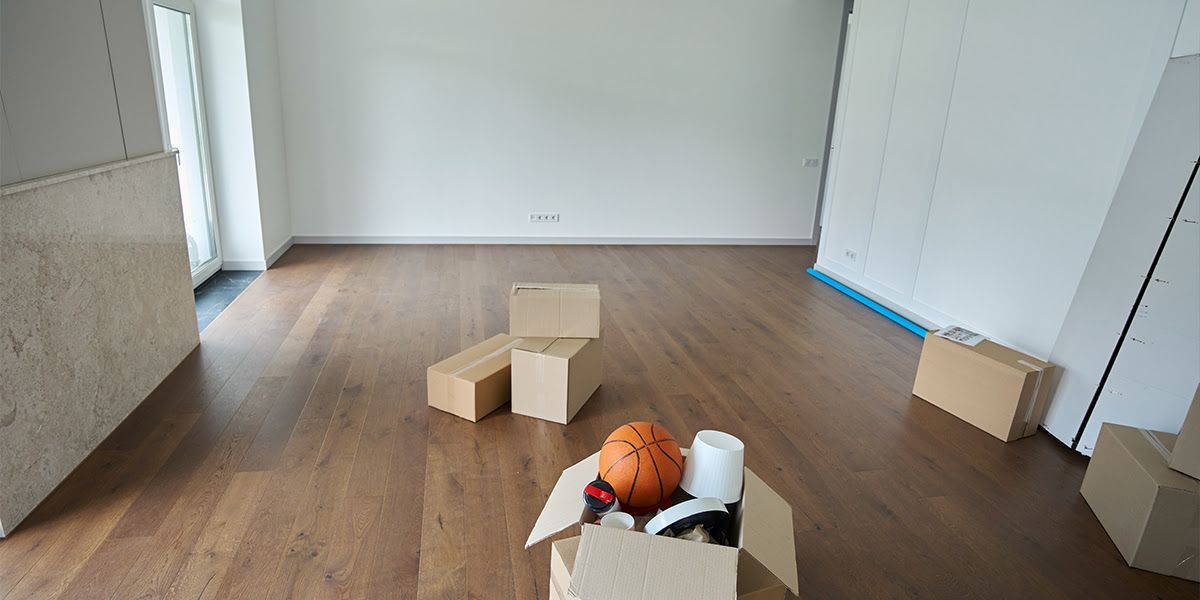
Before doing anything drastic, it's worth pausing to look at the full picture - whether the utilities are shut off, whether any neighbors saw them load furniture into a truck and whether they left anything behind that seems too valuable to just walk away from. No single detail will answer the question on its own - but look at them together and the full picture usually comes into focus.
Landlords don't actually have the legal freedom to declare a unit abandoned just because it looks or feels that way. Without hard evidence to support that call, a premature move can expose you to some legal liability.
Whatever the situation, the safer move is usually to get your documentation together first. A paper trail serves two purposes at once - it protects you if something goes wrong, and it forces you to slow down and make sure that you have the full picture.
Send a Written Notice to the Tenant
Once you've confirmed the property is abandoned, Florida law calls for a written letter to the tenant before you do anything at all with their belongings. That letter needs to go to their last known address - and to any other address that you have on file for them as well.
The letter itself needs to describe the abandoned property and state where it's being held. A firm deadline also needs to be included - usually about a 10-day window for the tenant to come back and pick up their belongings. As for the language in the letter, you want to keep it direct and factual.

It's where more landlords go wrong than almost anywhere else. A text message or a phone call (no matter how sensible it feels at the time) does not count as an official legal letter. The letter needs to go out by certified mail - it's not a detail worth skipping. The record from that mailing is what proves that your tenant actually received it. Without it, you don't have a case if it escalates.
Plenty of landlords try to rush through this part or skip it altogether, and it ends up being one of the more expensive mistakes that you can make. A legal dispute over something this preventable just isn't worth it. The certified mail process takes maybe 15 extra minutes out of your day, and that's a very small price to pay for the legal protection it gives you. Take the extra time to get this part right.
What the $500 Cutoff Means for You
Florida law divides abandoned property into two groups based on dollar value, with the cutoff right around $500. Anything below that amount can be thrown away or donated once you've finished the steps. For property that looks to be worth more than $500, the law calls for a public sale or auction instead.
If a tenant's belongings come in below that line and you dispose of them without following the right steps, that tenant can still come back at you with a legal claim - and those disputes can get very expensive. When valuing these items, you just need to make an honest estimate based on what they would actually sell for at a thrift store or on an online marketplace - not on what was paid for them at the time. A worn-out couch and a bag of old clothes are a very different situation from a gaming console or some jewelry.

One mistake that gets landlords into hot water is the assumption that their read on an item's value is the only one that matters. Something that means nothing at all to you might mean a great deal to the tenant who left it behind. Legal disputes have been filed over items that the landlord was convinced had zero worth - and the former tenant disagreed. I've seen this turn into an issue, and it almost never ends well for the landlord.
The safest move is to go through everything that was left behind and get an honest sense of what it's worth, then let that value guide which process you follow. If there's any doubt at all, lean toward treating it as higher-value property.
Keep a Paper Trail for Everything
Records are what protect you when matters get messy with a former tenant. A dispute over what happened to their belongings can surface any time, and your word alone is not going to hold up in front of a judge.
Before you move or touch a single item, photograph everything. Date-stamp those photos if at all possible and back them up somewhere safe - a cloud folder, an email to yourself, whatever works. A photo record of what was left behind and what condition everything was found in is one of the best pieces of evidence you can have if any of it gets disputed.

Every letter that you send out deserves the same level of care. Hold onto your copies of the letters and any tracking numbers or delivery confirmations from the post office. A landlord who can walk into a courtroom and show a judge right when a letter went out (and that it went to the right address) is in a much stronger position than one who can't. Judges aren't going to take your word for it, and being "pretty sure" you sent it won't get you very far.
Everything that happens to each item at the end of the process needs to be documented as well. Whether it was donated, disposed of or sold at auction, write it down with the date and any other relevant details like sale amounts. Landlords who skipped this part have ended up paying former tenants out of pocket (tenants who claimed their property was mishandled) even when everything else was handled by the book. It's not the most fun part of the job, but it's what holds up as a strong defense if a former tenant ever decides to push back.
What Should You Do With the Property Now
With the letter sent, the holding period behind you and a paper trail to back it all up, the administrative work is mostly done. The next question is what to actually do with the property itself.
Florida law divides this into two separate paths, and which path you take can depend on the total value of the items left behind. If that value comes in below a set dollar amount, you can go ahead and dispose of them without any formal sale. If it's higher than that, the law expects you to sell everything at a public auction and to hold the proceeds in case the tenant wants to claim them later. In either case, a licensed appraiser or a few written quotes from local resale shops can get you to a reliable number ahead of time.

That's also where landlords make a very painful mistake. A quick trip to the donation center with a bag of clothes can still get you into legal problems if the holding period hasn't expired - every last day of that waiting period has to pass before a single item leaves the property.
And yes, tenants do come back sometimes - even on day eleven. If that happens and you haven't disposed of anything, give them a fair chance to come pick up their belongings. Have your paperwork ready, because you might need to show what was left behind and when that letter went out.
Any time your situation gets a little tough (like a storage unit full of furniture, a tenant that you can't track down or belongings that are hard to put a dollar value on), it's worth a call before anything else. Alachua County has organizations that offer free legal help to landlords and tenants.
Protect Yourself From a Tenant Legal Claim
Even if you follow every step correctly, it doesn't always end there. A former tenant can come back months later (long after you've already disposed of their belongings) and claim the items were worth far more than you expected. Or they might insist that your written letter was never correctly delivered at all. It's a frustrating position to be in, and the problem is that your best intentions don't hold up all that well in a courtroom.
A local attorney is worth the investment for this very reason. A landlord-tenant lawyer in Gainesville or Alachua County can review your situation and tell you whether you're actually on safe legal ground. Local attorneys know how Florida law gets applied at the county level. That on-the-ground knowledge is very hard to replace with a Google search.

At some point, you have to ask yourself whether a few hundred dollars saved on legal advice is really worth the chance of a lawsuit that could cost a few times more. For lower-value property, it's probably a fair call to manage it on your own. Once the value starts to climb, that math looks pretty different.
Mishandled abandoned property (even with the best intentions) can leave you open to legal liability. Florida law gives tenants the rights that landlords are expected to know and follow. A skipped step or misread timeline is the sort of mistake that can be used against you. A professional opinion is, in fact, a way to protect yourself, and in plenty of cases, it can also give you the reassurance that everything you've already done was handled correctly.
Let Us Handle the Details
The first time a tenant leaves their belongings behind, the whole situation can get pretty involved. Between the abandonment confirmation, the right notices to send out, a valuation of what was left and a paper trail that has to stay intact the whole time, there's quite a bit to manage at once. Landlords who take the time to work through each step will usually come out in a much better position than those who act on instinct and figure it out along the way.
The great news is that it does get easier. Once you've been through the process and seen how the pieces connect, it starts to feel like a normal part of owning a rental property. Every step is there for a reason, and every one that you skip could turn a minor tenant issue into a very expensive one.

Rental ownership doesn't have to feel like a second job - it's just the problem we built
Pepine Property Management to solve. We serve property owners all across North Central Florida and manage everything from tenant transitions and legal compliance to maintenance and financial reporting, so you don't have to stay on top of it yourself. Whether you're a property owner looking for a more hands-off experience or you're searching for a quality rental in the Gainesville area, we'd love to hear from you. Get in touch with us at
Pepine Property Management or ask for a free rental analysis to find out what your property could be earning with the right team behind it.
Share this post