
How to File an Eviction at Alachua County Courthouse

Having a tenant who won't pay the rent or repeatedly breaks the lease puts you in a tough situation that only gets worse over time. Eviction ends up being your last viable option after your requests for the rent go unanswered and every attempt to work it out fails to produce results. Most landlords will put this off for as long as they can because the whole process seems like too much, or maybe they're concerned about making a procedural error that would send them right back to square one.
Alachua County follows the standard Florida eviction process. But you'll also find some extra local procedures on top of that, which trip up landlords who only know the state process. The judges at the courthouse on East University Avenue are extremely particular about the warning periods and the paperwork - I mean, very strict about it. A single missing signature or a letter that wasn't served properly can derail your entire case and force you to start over.
Your paperwork needs to be filed correctly the first time if you want to save thousands of dollars and probably months of frustration. The steps, from the first warning you send right through to that final writ of possession, make a lot more sense when you see what needs to happen and when!
Let's go through the whole process of filing your eviction at the Alachua County Courthouse!
Florida Notice Rules for Landlords
You can't simply walk into the Alachua County Courthouse and file an eviction case on day one. Florida law has some particular steps that must come first, and the main one is that landlords have to give their tenants written notice before they can file anything official with the court. The length of that waiting period will be different depending on the reason you're evicting them.
Missing rent payments are one of the most common problems that landlords run into, and the law has a pretty simple process for handling them. You'll need to issue what's called a 3-day notice to your tenant. Once they receive it, they have just 3 days on the clock to either pay what they owe or move out of the property. Lease violations work a bit differently, and they have a 7-day notice instead. This gives your tenant a full week to fix whatever the issue is and to stay put.
Florida has these in place for an important reason, though. The whole point is to give your tenant at least one genuine opportunity to correct the issue before you have to take them to court. In most cases, a formal written notice is all it takes to get a tenant to finally pay their overdue rent or to stop violating their lease.
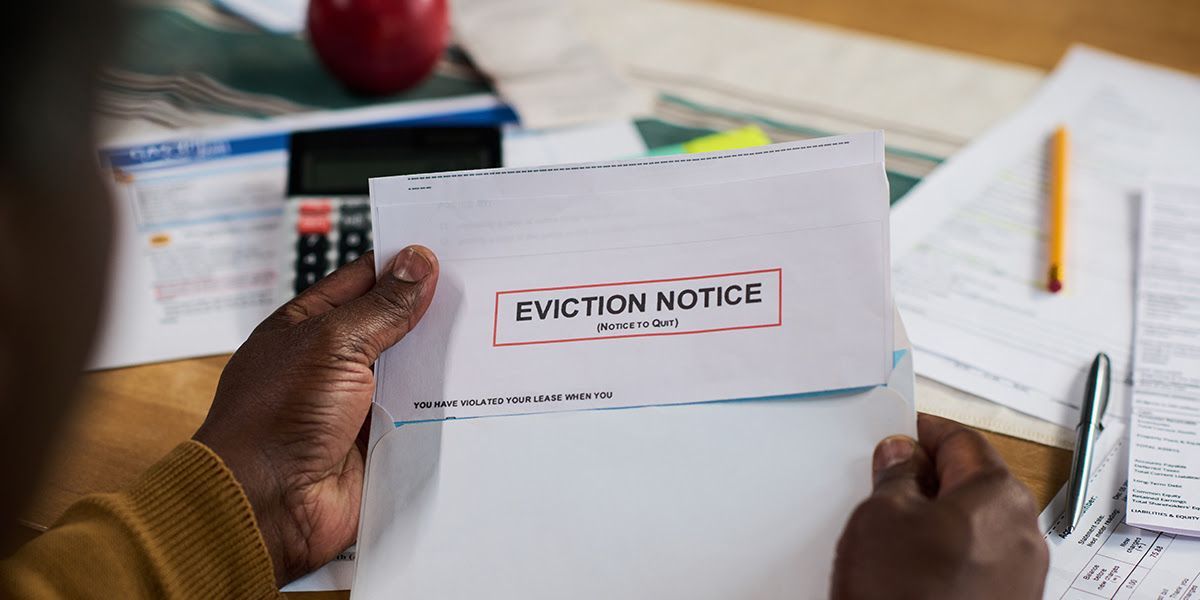
You'll have to make sure that your notice is right - it's probably one of the most important parts of any eviction case. A mistake on your notice is actually the number one reason that judges will dismiss these cases before you even get to present your case. Most landlords have no idea just how important this is until something goes wrong. One small error at this stage means you're going right back to the beginning, and you'll need to restart the whole process from scratch.
Alachua County judges look at the way that you serve eviction notices to your tenants, and the way you choose matters quite a bit. You have a few options for service that the court will accept. Personal service is probably the simplest - you hand the notice directly to your tenant in person. If they're not around when you stop by, certified mail works just as well if you prefer.
Whatever way you pick for service, it needs to match what the law calls for down to every last detail. Judges in Alachua County take proper service very seriously, and they expect full compliance. You should keep detailed records of how the notice was delivered, because the court will absolutely ask to see that documentation down the line.
Documents You Need Before Court
The Alachua County Courthouse visit needs preparation, and it means you need your evidence pulled together and ready before you even arrive. Everything needs to be organized well ahead - you want to build your case on paper before you ever talk to a judge.
Your original lease agreement has to be at the top of your list. This document shows what the parties agreed to when the tenancy started, and it's your foundation for the entire case. You'll need solid proof that the eviction notice was delivered correctly. Certified mail receipts work well if you mailed it, and they create a paper trail that courts like to see. For door postings, the photos matter - make sure that they show the notice itself, and they include a date stamp so there's no question about when it was delivered.

Your rent ledger should be just as full and detailed as the rest of your documentation. Every payment needs to be on there - and every missed payment too. Judges in Alachua County care plenty about this particular document, and they're going to drill down on the specifics. During the hearing, expect questions about due dates compared to when partial payments came in. Organizing everything ahead of time keeps you from fumbling around with dates and trying to remember specifics right then.
Text messages and emails matter just as much as any physical documents you have on file. Any conversations between you and your tenant about rent payments, lease violations or the problems that brought about the eviction need to be saved and organized. These messages work well as supporting evidence because they help to build your timeline, and they also show the court that you made genuine attempts to resolve everything before you had to file for eviction.
Show up with even one missing document from your packet, and you're probably going to be back where you started. You'll walk out empty-handed and have to schedule another trip after you've located whatever was missing. The court can't process incomplete paperwork. This extends an already long process and brings more delays to your timeline. Before you leave home, take a few minutes to go through your entire packet one more time and make sure every page is accounted for.
A basic folder or just a plain envelope works great to keep your paperwork organized in one location. These documents have a tendency to vanish right when you need them most. Before you head to court, go ahead and photocopy everything you're going to submit. This makes sense - when you file the originals with the court clerk, they keep them in their records. You won't get those back, so your own full set at home is going to save you a lot of hassle later.
Your Visit to the County Clerk
The Alachua County Courthouse could be pretty confusing if it's your first time having to go there for any reason. The building is at 201 E University Avenue, right in the heart of downtown Gainesville. For parking, the garage on SE 2nd Avenue is going to be your best option - it tends to have open spaces available most days, and it's a pretty short walk to the courthouse entrance from there.
Right after you arrive at the entrance, you'll find a security checkpoint waiting for you - it's set up very much like what most airports use. Metal detectors are a part of the standard process, and you'll need to place your bags and personal items on a conveyor belt where they'll be screened.
Courthouses usually have multiple clerk windows spread across different floors, and each one deals with a different type of case. Eviction filings have their own designated area, and it's worth being sure of where to go before you go in. Otherwise, you could waste time walking around asking for directions.
When you show up can matter for how long you'll wait. Monday mornings are usually crowded with visitors who waited all weekend and finally decided to come in. The first week of any month usually gets busy, too. For the shortest wait, Tuesday, Wednesday, or Thursday afternoon is usually going to be your best bet.

Once you get to the filing counter, the clerks there can talk you through the steps for submitting your paperwork. They'll point out where you'll have to sign and which documents should go in first. What they can't do is give you legal advice or tell you what the best strategy is for your particular case. Their whole job is about the administrative side - they want to make sure that your paperwork is filled out correctly and everything gets filed properly.
File Your Complaint and Pay the Fees
The Complaint for Unlawful Detainer is the official document that gets your eviction case moving through the court system. It's available at the clerk's office on the first floor if you'd like to grab it in person. You can also download it from the Alachua County Clerk of Court website ahead of time. The form is pretty simple - it just asks for a few basic facts about your rental property and the reason why you're removing the tenant from your unit.
Make sure every adult who lives in the rental unit gets listed on this form. It's actually a big deal because if you accidentally leave anybody off the list, they might not be bound by whatever the court decides later on. As you fill it out, use the full legal names from your lease agreement if you have them on hand.
Look at the section where you tell the court what you want. In this part of the form, you can request possession of your property back, and you can also ask for any unpaid rent that the tenant owes you. Just remember - if you forget to list those money damages on the form, the judge won't be able to award them to you later if you prove in court that they're owed.

The filing fee to start your case at the Alachua County Courthouse is $185. Service fees get added to that base amount, and those can change from case to case. The amount you'll pay for service is based on the number of defendants you're naming in your lawsuit. The sheriff has to personally serve each defendant individually. The clerk can calculate your exact total when you bring your paperwork into the courthouse - they'll add up the filing fee and the service fees and tell you what you owe.
The courthouse won't accept personal checks or credit cards when it comes time to pay your fees. You'll need to bring cash, a money order or a cashier's check - those are your only payment options. A lot of landlords will stop by their bank or a local store to grab a money order before they go to the courthouse.
What Should You Expect After You File Your Case
After you file your paperwork at the Alachua County Courthouse, you'll have a bit of a wait before anything else can move forward. Tenants are legally entitled to 5 full business days to submit their response to your eviction filing, and weekends and holidays won't count toward that total.
Most landlords believe that when a tenant stays quiet and never responds, the case will just move forward on its own automatically - that's not how it works in Alachua County. After those 5 days pass without a response from your tenant, you still have to file for a default judgment. The court won't issue one until you actually submit that request.
When a tenant responds and wants to fight the eviction in court, the judge will schedule a formal hearing to review the case. Most courts schedule these hearings somewhere around 2 to 3 weeks out from when the tenant files their official answer. This wait is there for a specific reason - it gives the landlord and the tenant enough time to put together their arguments and to collect the evidence they're going to need.

Tenants have the option to file counterclaims right alongside their response to your eviction case. A counterclaim might cover maintenance problems at the property that didn't get resolved, or it could point to mistakes in how you notified them. The judge is going to review each one of these during your hearing, and counterclaims can affect the outcome of your case.
A favorable judgment is definitely a big win. But it's not the final step in the eviction process. You can't simply remove the tenant from the property, even with a court order in your favor. You'll still need to go through what's called a writ of possession - it's a separate legal procedure, and it's what officially gives the sheriff the authority to physically remove the tenant from your property if they refuse to leave voluntarily.
Let Us Handle the Details
An eviction case has lots of steps, and they all matter when protecting yourself legally. When a tenancy ends up in court, nobody comes out of it ahead - landlords face legal fees, lost rent and the cost to prepare the unit for the next tenant, and tenants wind up with a blemish on their rental history that follows them around for years. The stress and frustration that this process brings are hard on everyone, and it's why strong records are so important throughout. Records protect you legally, obviously. On top of that, though, complete documentation gives you something concrete to reference when the situation gets to be too much.
Before you file, go ahead and double-check the Alachua County Clerk's website one more time just to make sure nothing has changed with their filing procedures or the fees that they're currently charging. Court systems usually update their procedures from time to time, and what was accurate 6 months ago could be different now. Your case could get resolved through the formal court process, or you might wind up in mediation and come to an alternative agreement instead - but in either case, you have a way to move forward and finally get some resolution to these kinds of tough landlord-tenant situations here in Alachua County.

A rental property doesn't have to mean that you spend your nights on legal procedures or give up your weekends to sort out tenant problems. Pepine Property Management works with landlords all across North Central Florida to manage every part of their rental properties, including the tough situations that can come up between you and your tenants. We know the local court systems well, and we stay on top of the legal standards landlords must follow. We handle tenant problems in a firm but fair way.
Partnering with
Pepine Property Managementgives you a team that cares about your property and takes the tough situations off your plate. Give us a call to find out how we can get rid of the stress of property ownership and help you actually make the most of your rental income without the usual headaches.
Share this post