

Move-Out Inspection Checklist for Gainesville Rentals

Rental deposits in Gainesville carry serious financial weight. The local market moves fast (mostly because UF's academic calendar drives a massive wave of turnover each year), and landlords process dozens of vacancies all at once. That pace puts pressure on tenants to get out fast, and a rushed move-out is usually where the expensive mistakes happen.
Most deposit disputes trace back to one of two problems. Either a tenant moves out without any documentation of the unit's condition, or they accept deductions without knowing that Florida law sets firm deadlines (and penalties) for landlords who miss them. A landlord who skips the set procedure can lose the legal right to hold back any part of a deposit at all. But that protection only works in your favor if you know it exists and feel confident enough to push back.
Renters who walk away without their full deposit back weren't necessarily being careless - plenty of them just didn't have the right information ahead of time. Florida Statute § 83.49 is one of the more tenant-friendly laws in the state, and it gives renters genuine legal power to get their money back. In my experience, it goes unused far more than it should.
When the time comes to hand over the keys, do a full room-by-room walkthrough of the unit and photograph everything along the way. It's one of the best steps that you can take to protect yourself on move-out day. Without that documentation, a landlord's word will carry more weight if a dispute ever comes up.
Let's talk about this in more detail!
Florida Has a Set Timeline for Deposit Returns
Florida law is pretty favorable for tenants on this one. Under Florida Statute 83.49, a landlord has just 15 days to return your full deposit - provided they're not planning any deductions. If they do want to hold some of it back, they have 30 days from your move-out date to send you a written letter that explains what they're keeping and why.
Miss that 30-day window for a written letter, and a landlord can lose their legal right to make any deductions at all. That means you could walk away with your full deposit back - even in cases where legitimate damage did show up.

This comes up in Gainesville more than almost anywhere else - a big portion of the rental market here is made up of college students on their first or second lease. Most of them have never dealt with a deposit dispute before, and the fact that these timelines are written into state law is legitimately new information to them. A landlord can send over a vague deduction letter two months after move-out, and most of the renters will just quietly accept it and move on.
That gives you a benefit if a dispute does come up, and these deadlines are a big part of that. From the day you officially move out, watch that calendar closely.
One more detail - if you're ever questioning if your landlord's letter went out within the legal timeframe, go by the postmark date on the envelope (not the date written on the letter itself). Those two dates don't always match up.
Ask for a Pre-Move-Out Walkthrough First
Florida law gives tenants the right to request a walkthrough before the official move-out inspection takes place - and most renters have never even heard of this.
The pre-move-out walkthrough is your chance to see your unit the way your landlord will before the formal inspection begins. You go room by room and see the small details (nail holes, scuffed baseboards and dirty grout) and take care of it all on your own schedule. Most of these fixes take less than an afternoon. But if your property manager catches them first on the final inspection report, they can cost you money.

That walkthrough matters a bit more in Gainesville than it would in most other rental markets. Most of the local property managers are taking care of dozens of units at a time, and those move-out inspections don't usually drag on. Once that final walkthrough gets recorded, the window to push back on small items closes pretty fast.
To request a pre-move-out inspection, put it in writing and get it to your landlord or property manager a few days before your move-out date - or earlier if at all possible. Hold onto a copy of that request for your own records. Florida law doesn't force your landlord to follow through with the walkthrough, though. A written request still helps you in a couple of big ways. For one, it gives you a paper trail, and it also shows that you made a genuine effort to leave the unit in decent condition.
Check Each Room Before You Leave
The bathroom is first. Give the toilet, sink and shower a careful once-over for any stains, cracks or mold that's had a chance to build up. Give the caulk around the tub a close look as well, and make sure every fixture works the way it's supposed to. A slow drain or a loose toilet seat are just the small details that wind up on a deduction list - get to those before your landlord does.
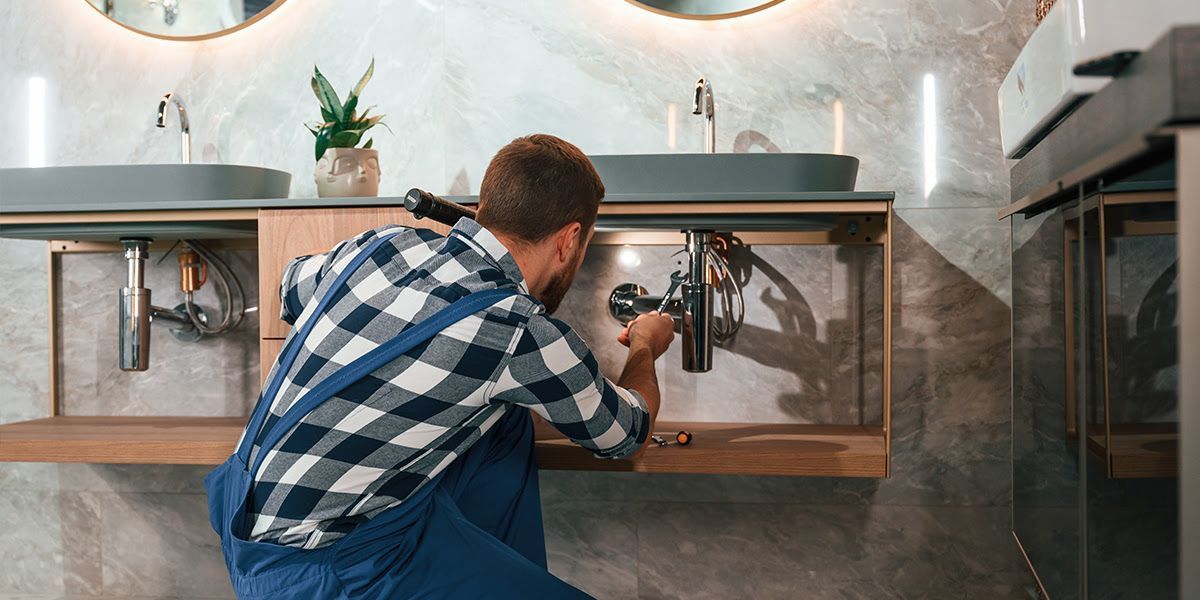
From there, go through each room and give the walls a careful look. Scuffs, holes and marks are much better when found on your own terms before anyone else points them out. The floors deserve just as much attention (tile, hardwood or carpet, it doesn't matter), so look for scratches, stains or any sections that feel a bit loose underfoot. Closets usually get missed during a walkthrough, so make a point of opening every door and checking the rods, shelves and the flooring inside each one.
The windows deserve a careful look as well. Every window in the unit should open, close and lock without any fuss. Broken blinds and torn screens are probably two of the most common deductions on a final walkthrough - and are way cheaper and easier to fix!
If the rental has any outdoor space (a patio, balcony or yard), give it a full walkthrough, then hand over your keys. Grab anything that belongs to you and make sure it looks the same as it did on move-in day.
The Difference Between Wear and Damage
One of the most common mistakes renters make (first-timers especially) is that they head into a move-out without a sense of what separates normal wear from damage. These two categories are very different from each other, and your landlord isn't always going to be straight with you about where that line falls.
Normal wear and tear is the natural aging of a rental - the sort of wear that happens to any place where someone lives. Faded or dulled paint, minor carpet scuffs and small nail holes from picture hooks are all pretty standard examples of this. A landlord can't legally charge you for any of them.
Actual damage is something else entirely. Landlords are well aware that most renters won't push back on these deductions. That gap in knowledge gets exploited.
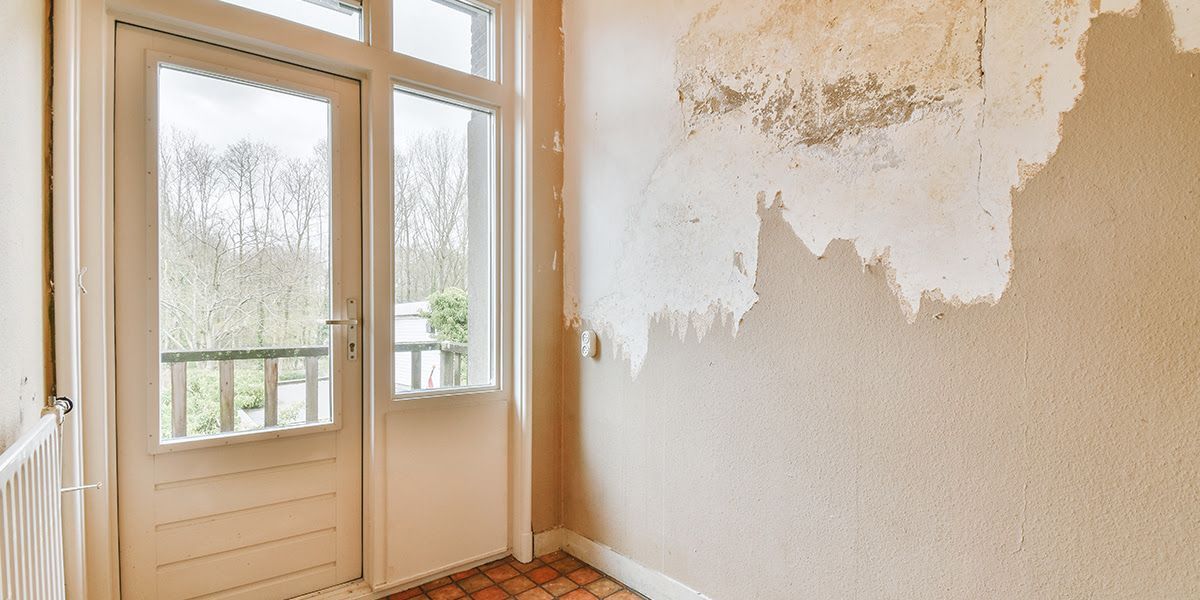
Your deposit's at stake here. Some landlords will actively try to charge you for items that legally fall under normal wear. Plenty of renters who don't know the difference will just pay it without question. Knowing these categories well puts you in a much stronger position when move-out day comes, and it's time to push back on charges that aren't yours to cover.
For Gainesville renters especially, that knowledge can translate directly into some actual money. The difference between walking away with your full deposit and losing a few hundred dollars can depend on one thing: whether you walked into that final inspection with a plan or went in without one.
Take Photos and Video of Everything
When it's time to hand over the keys, give yourself a little time to document the whole place closely - photos and video. Go room by room at a steady pace and get every wall, floor and corner on camera. The closets, the spaces under sinks and those little areas that you might otherwise miss - none of it should be left out.
Photo and video timestamps are one detail that tends to get skipped. Most phones will add this data to your files automatically, which is great - but a quick check of your camera settings before you start is still worth doing. A verified date and time on each file can matter if a dispute comes up - and in a college rental market like Gainesville, they do come up.

Once you've finished, email the files to yourself and your landlord. A sent email gives you a record that's quick to pull up and almost impossible to dispute. If your landlord never writes back, that's fine - the sent message alone is enough proof that you shared everything in good faith.
Gainesville's rental market moves fast, and landlords are quick to cycle through tenants once a lease ends. For renters, that speed can work against you when a deposit dispute comes up. The person with better documentation usually comes out ahead - a pattern that plays out repeatedly. An extra 30 minutes of careful documentation before you hand back those keys could well be the difference between a full deposit refund and weeks spent trying to get it back.
Look for Signs of Mold and Pests
Gainesville's humid subtropical climate makes it a pretty welcoming environment for mold and pests. Older rental properties are especially likely to have problems with both. During your move-out inspection, it's something to keep a close eye on - landlords will sometimes charge tenants for pre-existing damage that was already there well before they ever moved in.
Go through your bathrooms and take a close look at the grout lines, the caulking and any places where moisture tends to sit. Window frames deserve a close look as well - bathroom condensation can quietly let mold take hold in there over time. Also, check your AC unit - if there's any visible mold growth around the vents or the intake, add that to your list.
The question with any damage is where it came from - was it the building itself or the tenant? A bathroom with no ventilation is a structural issue. That one falls on the landlord. A bathroom that sat wet and uncleaned for months is a whole different situation.

Pests fall into this same category. Roaches and rodents are just a part of life in plenty of older Gainesville rentals, and an infestation can come from a neighboring unit just as easily as it can from gaps in the building's foundation or walls. Any signs of either that you documented at move-in are already working in your favor at this point. For anything new that shows up now, write down what you found and where you found it. A couple of roaches near a utility pipe is a very different situation from a kitchen covered in droppings - the more detail that you can give about what you saw and where you saw it, the stronger your position will be if any pest-related charges show up on your final bill.
After You Give Back the Keys
Once you hand over the keys, a waiting period starts - but you don't have to be left without answers. Florida law gives your landlord either 15 or 30 days to get back to you about your deposit, and which one applies can depend on whether they plan to take any deductions. If they do want to hold back part of it, they have to send you a written letter that lists each charge and explains the reason behind it.

When that letter arrives, go through it line by line. Charges can be padded, vague or just flat-out wrong - and if something doesn't match the condition the unit was in at move-out, a dispute is well within your rights. Tenants are not expected to accept every charge at face value.
Disputing a charge starts with putting your response in writing. A letter or email that states your disagreement (and references your move-in photos or any other records that you have) gives you something concrete to stand behind. Hold onto copies of everything that you send, because a paper trail helps if it leads to a formal dispute.
When your landlord ignores your response altogether (or just won't return the deposit with no valid reason), it's a strong sign they're not playing by Florida's laws. Florida's security deposit laws were written for just this situation, and at that point, you do have some legitimate legal options available to you.
Small claims court in Alachua County is one of the better options available to you. You might not know that filing there doesn't take an attorney, and the whole process was built specifically to resolve landlord-tenant disputes like this one. It's local, it's fairly easy to work through, and it's a path forward that doesn't take much to get started.
None of this is about being aggressive or forcing a confrontation. What it takes is a sense of what you're owed, the right paperwork in hand and a genuine willingness to push back on any charge that doesn't look right.
Let Us Handle the Details
Getting your deposit back really comes down to preparation. The tenants who walk away with every dollar are usually the ones who knew their rights going in, kept decent records and had a sense of what the move-out process was going to look like from start to finish. That might mean photos taken on move-in day, a copy of the original inspection report or just a list of anything that was already damaged when you arrived. None of that requires you to be a lawyer or anything close to it. A little bit of preparation before move-out day goes a long way.
Florida law gives tenants quite a bit more protection, and a walkthrough inspection is what puts that to work for you. Landlords have a set window to return your deposit or send a written notice of any deductions - and if they miss it, you could be entitled to the full amount regardless of the unit's condition. The difference between walking away with a full refund and losing a few hundred dollars usually just depends on whether you have the right paperwork to back up your side of the story. It's pretty easy to get right and well worth the extra time before handing over your keys.

Our team is here for property owners who need reliable management and for anyone on the hunt for a great place to rent in the Gainesville area. Check out our listings, ask for a free rental analysis or just reach out and start a conversation - we'd love to talk through your options and help you find the right fit.
Share this post