

3 Best Months to List UF Student Rentals in Gainesville

Timing makes the difference when you're renting to students. Listing at the wrong time could leave you sitting on an empty unit for months, as other landlords in your area have already filled their units. College students hunt for apartments on a pretty predictable schedule, and thousands of them are all looking to move in around the same time every year. Post your listing too early, and it's just going to get buried before anyone actually sees it. Wait too long, and the responsible tenants will have already signed a lease somewhere else.
Properties that hit the market during peak search season can lease for a lot more money, and they usually bring in the tenants who are organized and ready to sign. Miss that window, and you're going to have to give discounts like waived deposits, free parking or maybe both of those - just to fill the unit with whoever happens to be left. A three-bedroom apartment that lists in January might pull in $1,800 a month without much effort. But that exact same unit down the hall could go for $1,500 in June, and you'll probably have to throw in a free month just to get anyone to commit!
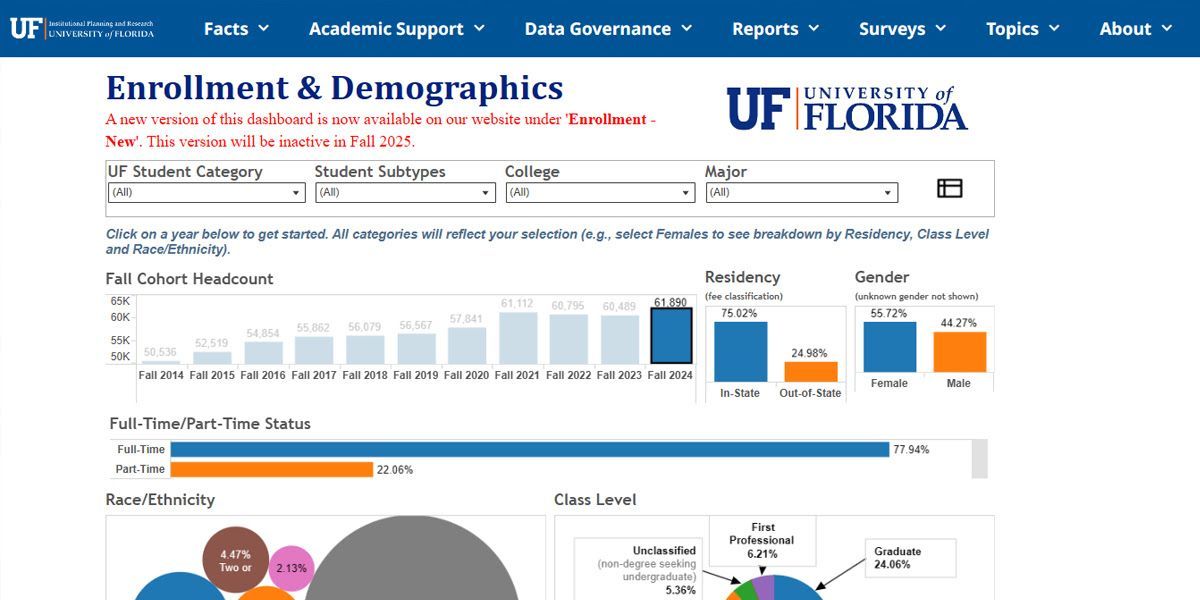
Most of the advice you'll hear about when to list a residential rental property just doesn't apply to Gainesville. UF's 61,000 students have created their own housing market, and it operates separately from the traditional one. Those standard strategies about waiting for low inventory or listing during the spring homebuying rush won't help much around here. Student renters run on a different timeline - one that revolves around the academic semesters, when their friends are signing leases and how much their parents are helping them through the process. None of this lines up at all with what the non-student tenants are looking for.
Let's find out what the right time is to list your UF rental for maximum success!
Academic Calendar and the Rental Market
The University of Florida enrolls over 50,000 students every year, and they need a place to live. A population that large creates some rental patterns that are very unusual for college towns. The housing market just operates on a different cycle here compared to what you'd see in traditional rental markets. Students don't search for apartments year-round the way that other renters do. The whole process tends to follow along with the academic calendar pretty closely. Most rental leases in Gainesville are set to run from August through July, and this matches up well with when students arrive on campus for the fall semester and when they pack up and leave after spring finals wrap up.
Students start their housing searches way earlier in the year. They'll start to look for their next year's place during the spring semester, and they're usually still living in their existing rental as they figure out where they're going to be for the following August.
This advance planning is a different experience compared to the traditional rental market. Most tenants in that market will start their search maybe a few weeks before they actually need to move in. Student renters are already on the hunt months and months ahead because they want to lock down the best places before somebody else claims them. When the competition for quality housing is this intense, it pushes the entire timeline earlier and earlier each year.
August is the big move-in month for student rentals in Gainesville. Thousands of leases all start at once because everyone is either coming back to campus or moving in for their first year. When everything runs on the same timeline like this, it turns into an all-or-nothing situation - a property either gets rented for the whole academic year or it's going to sit empty. There isn't much middle ground between those two options. Semester schedules do control a whole lot in this business, from the best time to advertise your property to the right time to get leases signed and locked in. Miss that window, and you could be stuck and have to wait a few months until you get another chance to fill those units.
The Spring Rush for Student Housing
Students return from winter break in January with a different mindset than they had when they left campus back in December. The holidays are over and done with, and final exams are already in the past, and the spring semester just has a different energy to it - it feels more like a transition period before the next academic year actually begins. Housing gets to be a much bigger priority during this time, and it tends to move to the top of their list, right alongside classes.
Most friend groups start to talk about who wants to live with whom around January. This gives everyone in the group enough time to hash out details and work out what living situation they're comfortable with. By February, those early conversations usually turn into decisions about who's rooming together. March is when most groups finally nail down their roommate lineup and start to schedule tours at a few different places.

Students are in a bit of a rush during these months, and it makes sense when you know the reason behind it. Most of them want to get their housing locked down before they leave for spring break. They don't want to come back from a week or two away and still be scrambling around to find a place for the next school year. That stress is what they're all trying to get away from. This mindset creates a natural deadline, and it's the main reason why most rental activity gets packed into that January through March timeframe.
Rental websites for UF students see their biggest traffic jumps during these three months, and the data supports this. Landlords usually see a flood of questions and tour requests come in all at once during this window. Most leases that start in August actually get signed by April, and property owners need to remember this. What it means is that most of your future tenants already make their final decisions during the winter and early spring.
Why You Should List in Early January
The first 2 weeks of January are one of the most underrated times to list your rental property. Students have already returned to campus after the winter break, and most of them come back with renewed energy and motivation to work out their housing for the next school year.
Parents usually get more involved around this time, too. The holidays just wrapped up, so families have just spent time together, and students can use that extra support when they're ready to sign a lease. When mom or dad is helping out, the whole process moves along much faster than it would later in the semester when students handle everything on their own.

Most property owners wait until late winter or early spring before they start marketing their rentals, and that means if you list yours in early January, you're going to have very little competition. Rentals that come on the market between January 1st and January 15th usually get about 3 times as much interest compared to the ones that don't show up until late February. When fewer options are available for renters to choose from, your property will stand out and will pull in a lot more attention.
Students hit that same goal-setting mode right after the new year. A lot of them are ready to get out of cramped dorm rooms or to find roommates they actually get along with better. And when they're motivated to upgrade where they live, that sense of urgency ends up working in your favor as a landlord.
Early January tends to work well for most students because it gives them enough time to get organized and work out their move-in logistics without feeling rushed at all. At the same time, it's not so far out that they'll drag their feet and lose track of the deadline. The timing hits the right balance because it feels manageable but is still close enough to actually matter.
The Problem with Summer Rental Listings
Competition picks up during these months, and property owners usually find themselves in a bind where they need to fill vacant units as fast as possible. Concessions become extremely common around this time - free months of rent, lower security deposits, waived application fees and more.
The numbers show this. Rental properties that get listed during the summer months will usually sit empty for about 45 to 60 days longer than properties that get listed in the spring. Every one of these vacant days costs you rental income, and this gets expensive quickly when you're waiting for the right tenant to come along.

Most college students already have their housing situation figured out well before summer arrives. They signed their leases months earlier when the options were better, and they had the luxury of being choosy about where they wanted to live. And plenty of students won't even be in Gainesville during summer break anyway - they go back home to stay with their family, or they leave town for internships and summer jobs in other cities.
Any student who is still looking for an apartment during the summer months already knows that they have the upper hand. When they browse rental listings online, they can see dozens (maybe even hundreds) of vacant units just sitting there. And they know you're probably starting to get nervous about filling those empty spaces before classes start in the fall. This makes them much bolder when it comes time to negotiate. They'll ask for lower rent, better lease conditions, maybe even some concessions on utilities or parking - all because they can sense the time pressure that you're under.
The Fall Rental Market Opportunity
Plenty of landlords write off September and October because they figure that the rental market has already wrapped up after the summer move-ins happen. The assumption makes sense on the surface. But it misses a whole second wave of demand that shows up during this exact time frame. Students who move to UF for the spring semester want to lock down their housing well in advance, and they're actively looking during these months. You have students who need to get out of their leases - because of roommate problems, living arrangements that didn't work out or just because a place isn't the right fit anymore.
Graduate students and international students are out looking for places during these same months, too. The schedules for grad students and international students don't match up with the typical undergraduate calendar, and it puts them on a different timeline for apartment hunting. You've also got the organized early planners in the mix. These renters want to lock down their housing for the next academic year well before the rush hits everyone else. Most of them would much rather get everything settled months in advance than compete with hundreds of other students when the market gets crazy.

The volume isn't anywhere close to what you'd see during the spring rush. Most markets only hit about 15% to 20% of the rental activity they'd normally get in February or March. What this creates is an interesting benefit for landlords who list during this time - the competition drops off dramatically. With fewer properties available on the market, each listing gets seen more and has a much better chance of catching a renter's attention.
This window works great if you have a unit that opened up partway through the year or if you've been working to fill a property that just didn't lease out when the season was at its peak.
When You List Affects Your Rent
The timing matters for rental pricing, and the month you list can directly affect how much rent you're able to charge. Students looking for housing in January will usually pay more because the market has far fewer options available at that time. A three-bedroom apartment might rent for $1,800 per month if you list it in early January. Wait until May to list that same unit, and you'll probably only get around $1,500 for it if it's been sitting vacant.
Early listings perform well because of basic supply and demand. There are lots of students looking, and not much is available yet. Students want to lock down their place as early as they can, and when they find something that checks their boxes, it's a big relief. Most of them won't negotiate on the price either, mainly because they're worried that another student will grab it before they do.
Late spring works differently. Landlords who wait until May usually scramble just to get their units filled before the semester starts. Free months of rent start appearing as incentives, and plenty of landlords will even agree to cover the utilities as part of the deal. The pressure tips in favor of renters at this stage mainly because the timeline gets tighter and tighter as the fall semester gets closer.

Other properties in the area can teach you quite a bit about what to expect when it comes time to list your own place. Pull up the listings every few weeks and track when places start to lower their asking rates. The timing of price drops will show you when the market gets more competitive, and it'll help you see how much scheduling flexibility you might need if your dates don't line up just right.
Rental timing can make a large difference in how fast you fill your property and how much monthly rent you're able to charge. January versus May might not sound like much. But the gap can mean a few hundred extra dollars per month for the entire lease. After your tenants have been there paying that higher rate for a full year, the total difference turns into serious money.
Let Us Handle the Details
Timing matters in how fast you can fill your rental and what tenants you'll be able to bring in. List at the right time of year, and you'll work with student housing demand cycles instead of fighting them. You'll get shorter vacancy periods and a much better shot at landing responsible tenants who want to sign a lease.
Your best bet is to list your property right when students are actually out there searching and ready to sign a lease. List it too late or at the wrong time of year, and you could wind up with an empty unit as the students you wanted as renters have already found somewhere else to live. This market moves fast, and most students will sign leases months before they actually need to move in. Miss those windows, and you'll be left competing for the handful of students who are still looking, which is never where you want to be as a landlord.

Student rental properties will have you busy year-round - maintenance calls come in during the semester, then you have turnover when terms end. Pepine Property Management takes care of that for you, and it means you can work on your investment without having to worry about every little issue that pops up. My team knows the Gainesville student rental market extremely well, and we take care of everything - finding quality tenants, coordinating the repairs and seeing that the rent comes in on time. When you're ready to let go of the logistics and actually see the returns that your property should be generating, ask for a free rental analysis. We'll show you what your property could be earning with the right management team on your side.
Share this post