
Who Pays for Pest Control in a Florida Rental Lease?

Florida law does set a baseline for landlord responsibilities around pest control - but it also leaves a fair amount of room for interpretation - that's just where lease language tends to step in and fill the void. A few different factors can play into who's actually responsible. The type of pest matters. The type of property matters. When the infestation started (and how it got there) matters a great deal as well. Any one of them alone can push liability from the landlord to the tenant or flip it in the other direction, sometimes by quite a wide margin.
Whether you're a renter who walked in and found roaches in the kitchen on day one, or a landlord who just got their first pest complaint 6 months into a tenant's lease, the specifics of what Florida law actually calls for (and what a lease can and can't change) can make an actual difference in how a situation like this plays out. Let's talk about it, piece by piece.
I'll talk about how responsibility for pest control actually breaks down in a Florida rental.
Florida Law on Pest Control in Rentals
Florida law does give landlords a baseline responsibility, though it also leaves room for interpretation. Florida Statute 83.51 says landlords need to maintain their rental properties in a "habitable" condition, which covers aspects like working plumbing, structural integrity and protection from the elements. Pest control never gets a direct mention anywhere in that statute, which is where most of the disputes I see come from.
That gap is where matters get a bit murky. Without any direct mention of pest control in the statute, neither landlords nor tenants have a straight legal answer to fall back on. Plenty of states do assign pest management as a landlord's responsibility. Florida leaves that unaddressed.
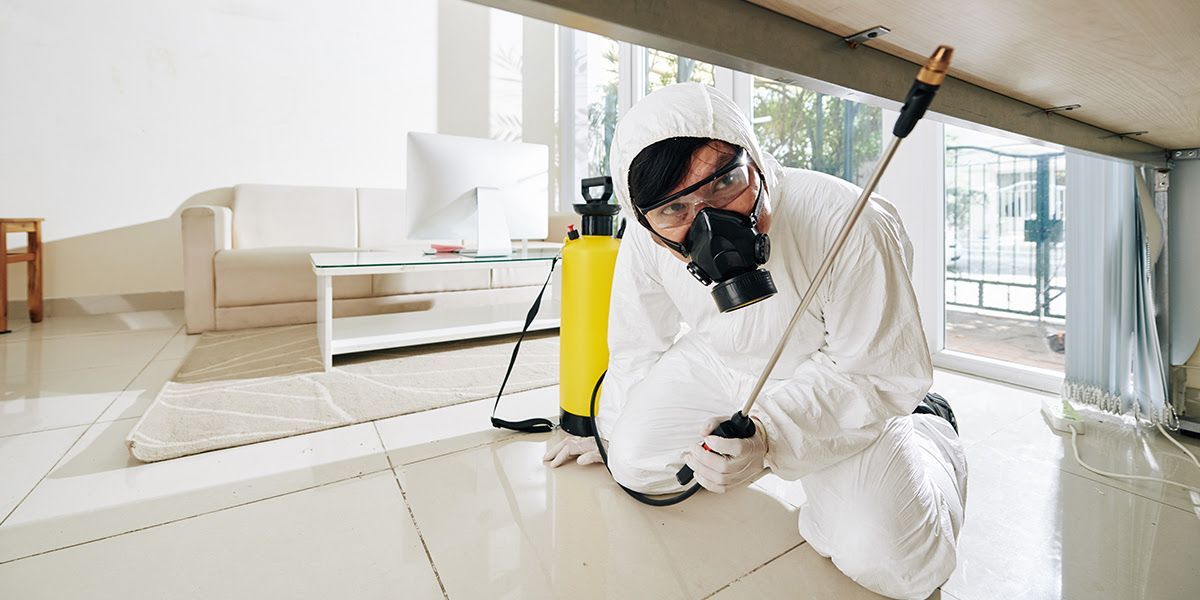
The habitability standard does have something to say about pest problems, just not in any precise way. When an infestation gets bad enough to make the unit unsafe or unlivable (like a bad rodent problem or a termite situation that's started to compromise the structure), then a landlord's job to keep the place habitable can come into play.
The law doesn't give you a clean cutoff for when a pest problem officially crosses that line.
This part can affect everything that comes after. Florida law doesn't always give a straight answer on pest control, and when it doesn't, the lease is the one document that does. Whatever language your lease uses regarding pest control carries weight on each side of the agreement. That alone is reason enough to read through that section before you sign it.
What Your Lease Says About Pest Control
Florida law is pretty vague on this, which means the lease agreement is what actually sorts out who takes care of the pest control. Whatever that lease says is usually what holds up in practice - and the exact wording in that document carries a lot of weight.
Pest control clauses can look very different from one lease to the next - and not in small ways. Some agreements put the full burden on the landlord for the entire tenancy, and others put it all on the tenant from day one. A clause might read something like "tenant is responsible for all pest control and extermination costs," which is about as open-ended as that language gets. Wording like that deserves a very careful read before you sign anything.
Wide-sweeping clauses like that can be a real concern because they can shift the blame onto you even when you had no part in it at all. A roach infestation that was already living in the walls before you even moved in could technically become your responsibility if the lease is worded a certain way. It's the type of language worth a slow, careful read before you sign - and it's where I see tenants run into the most problems.
Lease language around move-in inspections and pest-free conditions is also worth a close read because the right wording there can work in a tenant's favor. If the lease says the unit will be delivered pest-free, that puts the landlord on the line to see that it happens. Not every lease will include that language, and when it does, it can carry weight in a dispute. The exact words in the lease are what a court or mediator will go back to if the situation ever escalates.
Pest Problems That Fall on the Landlord
The bill usually falls on the landlord, not you, if you moved into a new place and discovered signs of a pest problem that was already there. Termites, rodents and other pests that trace back to long-term or structural problems in a building are a perfect example of this. A tenant just can't be held responsible for something that was already living in the walls before the lease was ever signed.
Florida law says that landlords have to hand over a unit that's actually livable, and a home full of pests doesn't come close to that standard. Bed bugs are one of the best examples of this - if they show up at move-in or within the first few days, it will be very hard for a landlord to prove that you were the one who brought them in. A timeline like that points directly back to a problem that was already there.

Renters who walk into a unit with a problem usually feel like they have no options - it's a frustrating place to be. The second something looks wrong, write it down - with photographs, written notices to your landlord and the exact dates on everything. A paper trail is what separates a frustrating situation from one that actually gets resolved.
The reason these costs land on the landlord goes back to the very basics of how a rental agreement is set up. A landlord's responsibility for their property's condition begins well before a tenant ever walks through the door - and any pests that had already settled into the walls or the foundation long before the move-in date were never your problem.
When a Tenant Has to Pay
In some cases, it's actually the tenant who's liable for pest control - and it can depend on what's going on inside the unit, instead of the condition of the property itself. Pest problems trace back to the small, day-to-day habits that are easy to let slide. Food left out on the counter, an unsealed trash can or dishes that sat in the sink all night - any one of these is enough to draw insects and rodents. None of that makes you a bad tenant, for the record. Pests are opportunistic by nature, and they'll use whatever access they can find.

Doors and windows without screens are another entry point that deserves some attention. Any gaps around door frames or windows left open for long stretches of time can give pests a path straight into your home. Florida's climate also doesn't have an off-season for bugs the way that colder states do, which makes pest control more of a year-round concern for Florida homeowners than it would be anywhere else.
If an infestation gets traced back to your own habits or to the way you look after the place, your landlord actually has a pretty strong case for passing the treatment costs along to you. Leases spell this out word for word, so read your rental agreement before assuming your landlord will cover the cost.
If the infestation does turn out to be on your end, the absolute worst move you can make is to let it sit. Address what you can - talk to your landlord, look into whatever may have contributed to the problem and don't let it drag on. The longer it goes without any attention, the messier the situation gets and the harder it'll be to make a case for who should be covering the cost.
Multi-Unit and Single-Family Homes Have Different Rules
Your property type can change who is responsible for pest control - even if your lease doesn't say a single word about it.
With a single-family home, it's much easier to trace a pest problem back to one person. The tenant either brought it in themselves, or the landlord handed over a property that already had an infestation. The line of responsibility is pretty direct.
Apartments, condos and duplexes are a whole different situation. Pests can move freely through shared walls, common hallways and connected plumbing - and once they're in the walls, it's nearly impossible to trace an infestation back to any single unit or tenant. Florida courts and local housing codes recognize this, which is a big part of why landlords in multi-unit buildings are held to a higher standard than they would be in a single-family rental.

That higher standard exists for a reason. A landlord in a multi-unit building has access to spaces and areas that tenants just can't get into or take care of on their own. A tenant on the third floor has no way to treat the units below them, or to seal up a shared foundation wall - those just aren't tasks within their power to manage. Only the landlord has the ability to act across the entire building. The law accounts for this, and in most cases, it's going to hold landlords responsible for doing just that.
In an apartment building or in any shared space, your landlord takes on a bigger share of the legal responsibility when pests travel between units. A lease can still push some of that burden back onto you (and plenty of them do). But as a general starting point, multi-unit property law tends to favor the tenant.
How to Report Pests to Your Landlord
The second that pests appear, the urge to wipe them out right then is very understandable - no one wants to wait.
Photos and videos are your best starting point, and the more detail you can get, the better. Also, make sure that your phone or camera has date-stamping enabled for every file. Without that timestamp on each one, your records won't carry nearly as much weight.
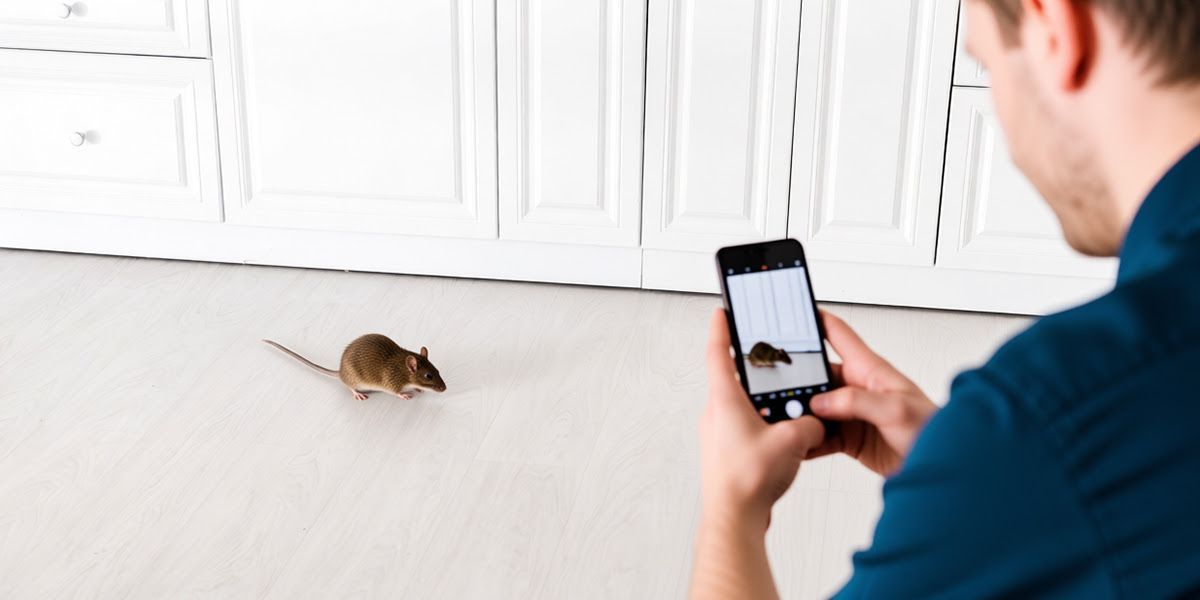
From there, get something down in writing to your landlord. A text or phone call is tempting because it's faster. But those conversations are way too easy to forget or dispute later on. A written message (sent by email or certified mail) gives you something concrete to refer back to. That paper trail protects you if the situation starts to get messy.
Tenants skip that step because an active infestation feels way too urgent to stop for paperwork first. Fair enough - it legitimately is urgent. Still, without a written record on file, you have very little to stand on if your landlord later claims they had no idea there was ever a problem.
Keep your message factual and direct. Write down what you saw and when it happened - the more detail you can include, the better. Attach any photos you have. Dramatic threats aren't necessary - a calm account of the facts with a quick ask for a response will carry far more weight.
Then hold onto everything. Save copies of every message you send, jot down the exact dates you sent them and track any replies you get back.
What Should You Do If Your Landlord Does Nothing
It's frustrating when a landlord gets your written complaint and still does nothing about it. But you do have a few more moves available to you.
Rent withholding is one of the more common options on this list. Under Florida Statute 83.60, tenants have the legal right to withhold rent when a landlord fails to keep a unit livable, and a pest infestation can qualify. With that said, there's a right way to go about it. In most cases, you'll need to have already sent a written complaint and given the landlord a fair window to fix the problem before you withhold rent.

Lease termination is also an option to keep in mind. Florida law gives tenants the right to walk away from a rental agreement (with no financial penalty) if a landlord won't fix a problem that makes the unit legitimately unlivable.
Your local county health department is also worth a call. Health inspectors can come out to the property, see what's going on firsthand and put actual pressure on a landlord in ways that most tenants just can't do on their own. Not many renters think to try this, and it can work well.
None of this is legal advice - every situation has its own specifics, and the right answer for somebody else might not be the right answer for you. Most attorneys provide free consultations, which is a low-risk strategy to get a picture of where you stand and what your options actually are.
Let Us Handle the Details
Rental situations don't all follow the same playbook - everything will be fine as long as you look in the right place. Florida habitability law, your lease language, the type of pest involved and the type of building you're in - they all matter when it's time to sort out who's responsible for what.
More than anything else, preparation tends to make the biggest difference - read your lease closely, sign it, record any time a problem comes up and get everything in writing as early as you can. None of that takes a law degree. What it does take is a little bit of attention from the start, which puts you in a much stronger position if a dispute ever comes up.

In Florida rental properties, a single clause in a lease or a dated photo of a pest issue can matter most when something goes wrong. At Pepine Property Management, that attentive mindset is something we bring to every property we manage. We serve North Central Florida and work directly with property owners on everything from lease preparation and tenant communication to maintenance coordination, so nothing gets missed.
For property owners looking for a team that pays close attention, we'd love to talk. Get in touch with
Pepine Property Management to get started.
Share this post