

ADA Rules for Commercial Rentals in North Florida

Commercial leases in North Florida carry a layer of legal responsibility that landlords and tenants just aren't prepared for - and the numbers behind that are pretty hard to ignore. Florida now ranks second in the nation for federal ADA Title III cases, with more than 1,800 filed in 2025 alone. The cost of inaction is very real - and it only gets steeper with every passing year.
Most landlords assume their tenants are the ones responsible for accessibility compliance - and most tenants assume the landlord already handled it. Neither side checks on it. That gap in accountability is right where ADA complaints usually start. A single complaint will cost far more to defend than proactive compliance ever would have - and the longer this goes unaddressed, the worse that math gets.
Older storefronts in cities like Jacksonville, Tallahassee and Pensacola usually carry some of the highest ADA-related exposure. Federal law doesn't make any exceptions for the age of a building - it doesn't matter if the property has been standing for 10 years or 100. As long as it's open to the public, the ADA applies to it.
Landlords and tenants both have something to gain by getting ahead of this. Landlords who take accessibility seriously usually hold onto their tenants longer and carry far less legal exposure. Tenants who stay on top of their obligations can protect themselves from unexpected costs - and federal tax credits are available to help offset the cost of compliance. That last part doesn't get nearly enough attention in my experience.
ADA compliance for commercial properties comes with quite a few moving parts, and the financial consequences of getting it wrong are very real. An early look at what's expected is usually time well spent - it's an area where waiting almost never pays off.
Let's go through the ADA requirements for commercial rentals in North Florida!
ADA Title III and Your Property
Private business owners are sometimes under the impression that the ADA only covers government buildings and public spaces - parks and courthouses, that sort of place. A mistake like that gives you some serious legal and financial problems.
Title III of the ADA is the section that deals with what the law calls "places of public accommodation," which is just a catch-all label for most businesses that are open to the general public. Restaurants, retail stores, hotels, medical offices, gyms and theaters all fall into this category. Any business with a location where customers can walk in almost certainly falls under Title III.
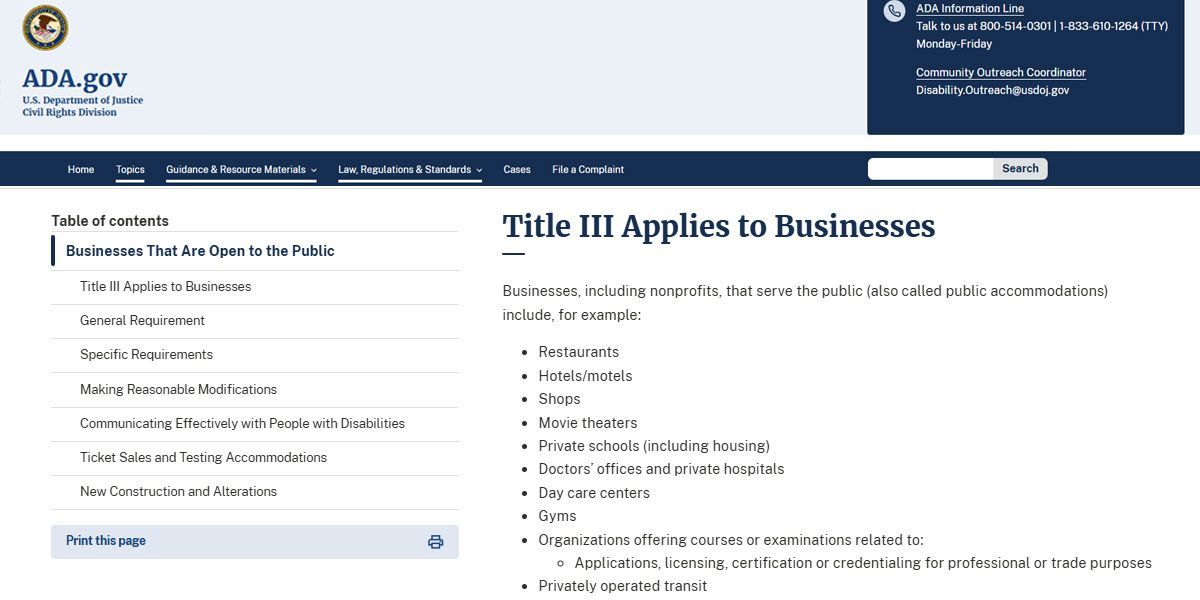
Renting a commercial space doesn't give you an automatic pass just because you don't own the building. The law looks at who controls a space and who benefits from having it accessible to the public - and either party can hold that responsibility.
In North Florida's commercial rental market, this question comes up quite a bit - business owners lease a space in older strip malls or historic buildings. Age alone doesn't change that responsibility. The ADA has provisions for older structures that can narrow the scope of what's needed - and you still have a responsibility to make some progress toward access.
All in all, Title III applies quite broadly - and most commercial tenants and landlords across North Florida are going to fall right within it.
Both Sides Share a Part of the Risk
The ADA doesn't automatically put the responsibility on the landlord. The landlord and the tenant can be held liable for access barriers, and a lawsuit can name either party, or both at the same time. Tenants sign their lease and walk away with the assumption that the building owner will manage it. That assumption can become a very expensive problem.
Lease language carries serious weight. When a dispute ends up in court, a judge's first move is usually to pull out the lease and work out who was responsible for what. A lease that goes silent on accessibility (or hides behind vague "maintenance" language) doesn't do either party any favors. All it does is leave a wide-open gap for conflict the second a problem comes up.
Even if your lease puts all accessibility responsibilities squarely on the tenant, the landlord still carries legal exposure. That gives both sides a very real reason to want that lease language as tight and direct as possible. Vague or loose wording tends to create problems for everyone eventually.

Older commercial spaces are where situations can get especially messy. Buildings were constructed well before modern accessibility standards were written, and they carry a long list of gray areas that were already built in. Ramp access, restroom compliance and entrance modifications - these aren't small items. Without a lease that spells out who's responsible for each one, the landlord and the tenant can find themselves in a tough position when a complaint comes in. And complaints do come in. Without a paper trail to point back to, each side is left exposed.
For what it's worth, I'd strongly encourage landlords and tenants to go back over their lease wording before any real problem ever comes up.
What the Readily Achievable Standard Really Means
One of the core concepts in ADA compliance is a phrase called "readily achievable." Legal-speak aside, the meaning is pretty easy - if a change isn't too expensive or too hard to pull off, the law expects you to go ahead and make it.
Most landlords and tenants welcome this framing - and with fair reason. The majority of what qualifies under "readily achievable" lands on the modest end of the range. A grab bar in a restroom, a small ramp over a single step - these are the sort of modifications that come up again and again in older North Florida commercial properties.
The bar does get higher when a building is new or going through a big renovation. The law expects full accessibility to be designed into the project from day one. The "readily achievable" standard is mostly meant for existing spaces - a full top-to-bottom retrofit all at once just wouldn't be a basic ask for most property owners.
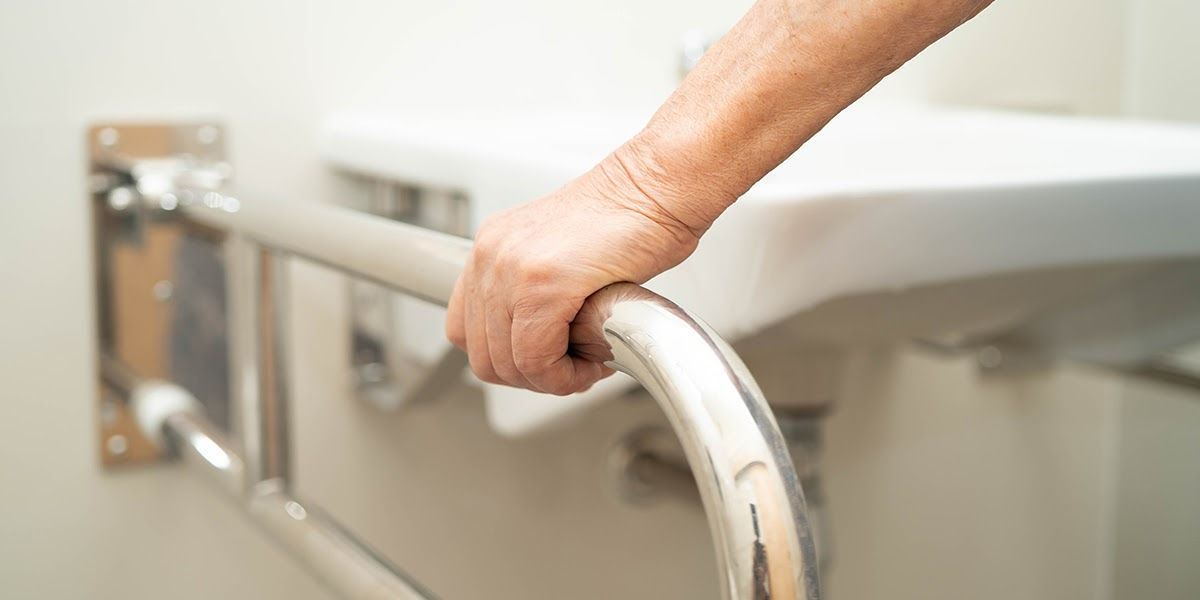
Accessibility upgrades don't have to cost a fortune. A grab bar installation or a small concrete ramp tends to be pretty affordable. A quote is usually worth getting before you write anything off.
The readily achievable standard exists for one reason - it's steady progress, not a full overhaul all at once. From that angle, the first step feels way less scary. Add a grab bar here and put in a ramp there - before long, the space is actually more accessible without anyone having to drain the entire renovation budget in one shot.
Old North Florida Buildings and the Exceptions
North Florida has plenty of character, and most of it traces back to the older buildings spread throughout the region. Downtown Tallahassee, St. Augustine and other historic corridors are full of spaces that tenants love to rent - retail shops, offices and restaurants alike. That appeal does carry actual responsibility under the Americans with Disabilities Act, though.
Historic preservation does have some built-in flexibility to it. If full accessibility would put a building's historic character in danger, exceptions are in place that give owners an alternative path forward. That word "alternative" matters more than it might feel, though - a historic designation is not a free pass to sidestep accessibility altogether.
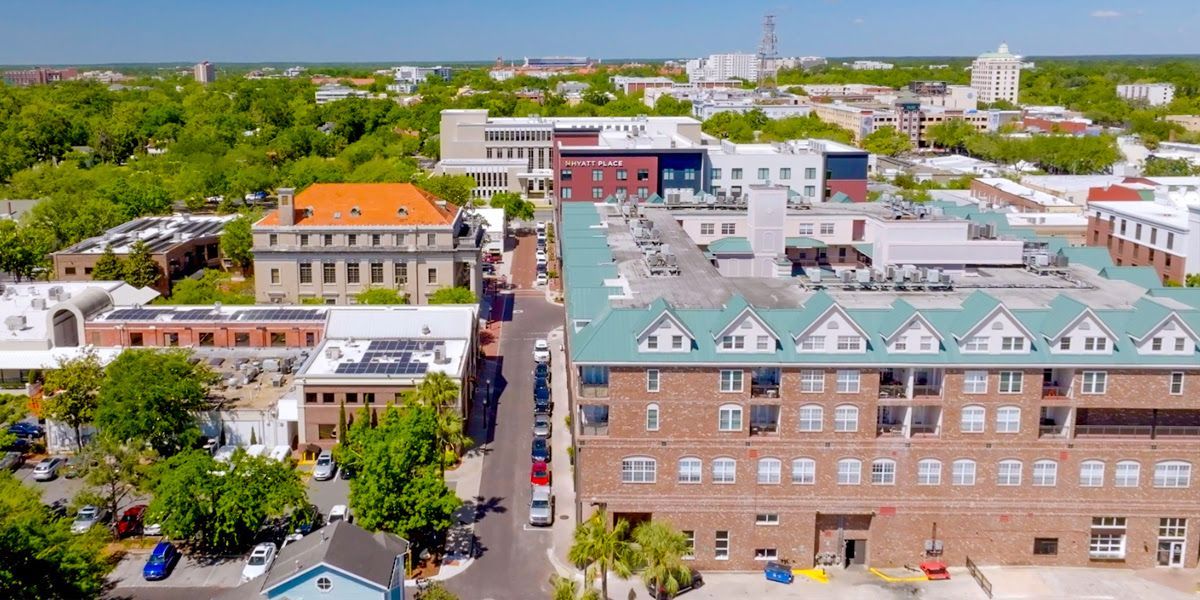
Plenty of landlords and tenants run into problems at just this point. A tenant leases a beautiful 1920s storefront (everyone focuses on the look and feel of it and the lease terms), and the question of accessibility never comes up. The business opens its doors, and the building has a stepped entrance with no ramp, no accessible restroom and no plan to fix either one. It's a problem the lease left unaddressed.
The cost of fixing accessibility barriers after the fact is usually higher than catching them before a lease is signed - and I've watched both sides make this exact same mistake. The tenant figures that the landlord already took care of it, and the landlord figures their historic designation exempts them. Both of them can be liable for the exact same violations.
Tax Tools That Help with Compliance Costs
The cost of ADA compliance is a genuine concern for small business owners, and if that's been on your mind throughout this, two federal tax tools out there were specifically designed to help take some of that financial pressure off.
The first one worth your attention is the Disabled Access Credit. With this credit, eligible businesses can get back as much as $5,000 every year, and the eligibility bar is actually pretty low. Your business either needs to have brought in $1 million or less the year before or have had fewer than 30 full-time employees on staff.
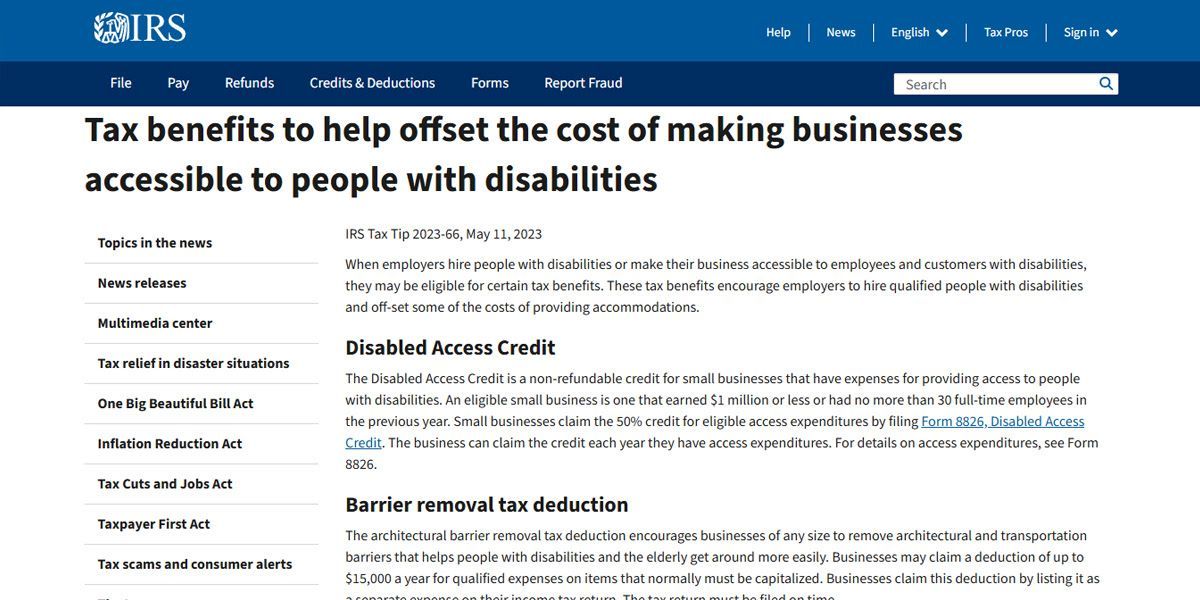
The second option is the Architectural Barrier Removal Deduction, and unlike the previous credit, it's open to businesses of any size. With this deduction, a business can write off as much as $15,000 in barrier removal costs directly from its taxable income each year. Widened doorways, new ramps, reconfigured restrooms - it can all qualify, which covers a pretty large range of work.
An accessible space is still going to cost money to build out - that part hasn't changed. These tax tools won't make the work free, and how fast you recoup those costs does depend on your own numbers and timeline. What they do change is your ability to plan ahead. The earlier you find out about these programs, the better positioned you'll be to include them in your budget before the invoices arrive. Most business owners don't even find out they're out there until after the funds are already committed - or worse, after the bills have already been paid.
A tax professional with small business experience can give you an idea of how to use these two benefits together and get the most out of them.
Florida Leads the Nation in ADA Lawsuits
ADA enforcement can come at a business from two separate directions. The Department of Justice has the authority to investigate on its own and take action against you directly, and private citizens also have the right to file a lawsuit in federal court, and they don't need the DOJ's involvement to make it happen. Each one of these paths is very real and either one of them gives you consequences for your business.
Florida, in particular, ranks near the top in the country for ADA-related legal cases, and a large portion of these cases go after small commercial tenants instead of large corporations that have full legal teams on retainer. Even a minor accessibility gap in your space can be plenty enough to draw a claim.

For most business owners, the cost comparison is what pushes them to take action. Attorney fees, court costs and settlement costs can grow very fast - even when the original issue was something pretty small. A doorway, a parking space, a ramp - none of them are expensive fixes on their own, and none of them come close to what a legal battle is actually going to cost you.
None of this should overwhelm you. Most small businesses are in a pretty manageable position with ADA compliance. Most of the needed updates are low-cost, and as we covered in the last section, tax credits are available to help offset even those smaller costs. From a financial standpoint, the case for compliance is a strong one.
All the motivation that you'll ever need is already right in front of you - the only question left at this point is whether you're going to act on it.
The Lease Terms That Matter for Both Sides
When you sign a commercial lease, the accessibility section deserves a close read. It's one part of the contract that's easy to skim past.
One of the biggest details a lease needs to spell out is who pays when a physical modification is needed. A ramp installation, a restroom upgrade, a new entrance configuration - none of these are cheap, and somebody has to cover the cost. Without language in the lease that assigns those costs to one party or the other, the landlord and tenant can wind up in a he-said-she-said dispute the minute a complaint comes in.

Compliance audits deserve a direct conversation before you sign anything. Some leases put the tenant in charge of the schedule and the cost of these reviews, and others leave that with the property owner. You want to know which side of that line you're on well before you're locked into anything.
The lease should also spell out what happens when a violation comes up. All of it (how complaints get handled, who gets notified, what the correction timeline looks like) needs to be in the document. A handshake agreement on something like this doesn't give nearly enough protection for either party, and verbal commitments can disappear fast once money gets involved.
If the lease that you're looking at doesn't address any of this (and plenty of them won't), that's a conversation to have with the landlord before anything gets signed. Verbal assurances are easy to forget once the situation gets tough, and written terms are much harder to dispute or walk back.
Let Us Handle the Details
The biggest concern with any of this is that parties don't pay close attention until something goes wrong. Most of these problems come down to the disconnect between what a landlord assumes and what a tenant assumes. A close lease review, an honest conversation and a fresh walkthrough of the property are usually all that it takes to get ahead of it.
Commercial leases in North Florida carry actual risks for everyone at the table, and this reality won't go away anytime soon. The better news is that the path forward is fairly manageable for most property owners. A review of your lease language, a basic accessibility assessment of the property and a quick look at what tax credits your business might qualify for - these are all worth your time and none of them require a lot of money. Most of what's actually available to you is a bit more manageable.

Pepine Property Management works with property owners all across North Florida, and we take a direct approach to keep you ahead of the problems that can get expensive fast. We'd love to talk if you're a landlord who wants better support with day-to-day management or you want to know what your property could realistically earn with the right team in your corner.
Get in touch with us at Pepine Property Management, and we can find the right next step together.
Share this post