
How Florida Landlords Can Navigate Tenant Bankruptcies

A tenant bankruptcy filing is a situation that brings your entire rental operation to a stop. Once they file, you're not going to see any more rent payments come through. Any eviction case you've already started against them gets frozen in place. Your property ends up sitting in legal limbo, and you'll need to work through the bankruptcy court system without any help or any prior experience with how it all works.
Most landlords reach this stage, and either don't know what they should do next, or they rush into decisions without thinking it all through. Maybe they accept a partial payment in one month, or they miss a court deadline because life was a bit busy. At the time, neither of these seemed like a big problem. Landlords who take action as soon as the rent problems start and document everything from day one are going to have much better odds of protecting their investment and actually collecting the money they're owed.
Florida saw bankruptcy filings surge by 23.5% in just the past year alone. More landlords are going to face a tenant bankruptcy at some point, and most of them won't feel ready when it happens. The landlords who get through it well are usually the ones who can separate business from the emotions and just work through the process one step at a time.
Let's talk about what Florida landlords need to know when tenants file for bankruptcy!
When Bankruptcy Pauses Your Eviction Timeline
An automatic stay is one of the fastest ways to freeze an eviction in its tracks, and it takes effect the second a tenant files for bankruptcy. Once that bankruptcy paperwork hits the court, collection actions have to stop - and yes, that includes eviction cases that are already underway.
Timing matters quite a bit when you're in this situation. You should be able to continue with the eviction if you already have a judgment for possession in hand before the tenant files for bankruptcy. Florida law actually separates possession judgments from claims for unpaid rent into two separate categories, and bankruptcy court treats each one a bit differently. A lawyer who knows the Florida landlord-tenant law well will be able to look at your judgment and tell you if you're allowed to proceed with the eviction or not. Landlords who act quickly on missed rent payments are going to have far more options available to them when a tenant files for bankruptcy. Speed does matter in these cases. An eviction that gets filed right when your lease agreement lets you do so gives you a much better shot at having that judgment already secured before any bankruptcy paperwork ever gets submitted.

The automatic stay is only temporary, and it won't protect them forever. You (the landlord) can file a motion to lift the stay and ask the court to remove their protection before it expires on its own. To make this happen, you'll need to hire an attorney and be ready to spend time and money on the legal process.
Security deposits work a little differently when a bankruptcy is involved, and Florida law actually helps protect these funds. Landlords in Florida have to hold deposits in trust accounts so the money might stay outside the bankruptcy estate completely. The deposit remains separate because the state law says you're only holding it for the tenant - it was never actually yours. Rent that comes due after the tenant files for bankruptcy gets handled very differently than your older debts. Post-filing rent sits higher on the priority list for repayment, and it can work in your favor if you have recent charges that need to be taken care of.
Accepting partial rent payments in the months before a tenant files for bankruptcy can put you in a tough situation. Bankruptcy trustees are allowed to claw back payments made right before the filing, and you may need to give back money you thought was already yours to keep. Your records are a big deal at this stage.
You'll have to track every deposit and rent payment that comes through and make sure your trust account funds stay separate from any of your other business accounts.
Prepare Your Property for New Tenants
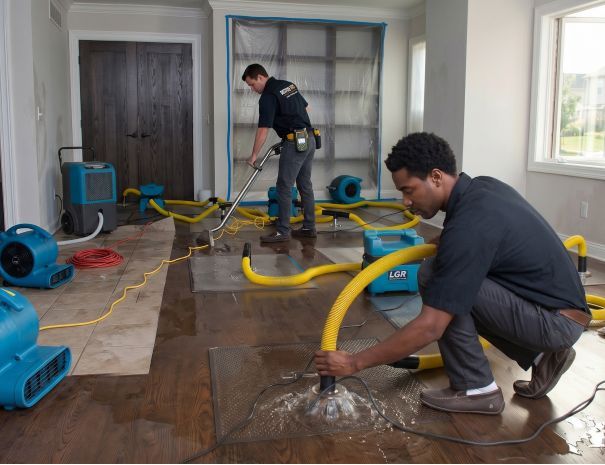
After a bankruptcy case is over, property owners want to know who's actually responsible for the repairs and the damage. That responsibility is yours. The tenant isn't coming back to fix any of the problems they left behind. The work to get your unit back into a rentable condition falls to you as the property owner.
When you plan out your repairs, think about what future tenants are actually going to care about. Fix any of the damage first - holes in the walls, broken fixtures, issues like that. If something is too worn out or stained to the point where cleaning won't help anymore, just go ahead and replace it. After the repairs are done, the whole place should get a deep clean and then you can add those little finishing touches that take it from an empty unit to a place where someone can imagine living.

During this process, think about what's going to get renters excited enough to sign a lease tomorrow. Maybe it's a fresh coat of paint in a neutral color that makes the whole place feel brand new. Or maybe it's something a bit smaller. Little touches like these can make the difference when prospective tenants walk in the door for their showing.
Landlords usually run out of steam right when they reach this stage - and that's understandable. The bankruptcy process is exhausting, and there's no way around that fact. But this stage actually represents an opportunity to move forward and leave that frustration in the past. Every repair and improvement you make brings you one step closer to filling that unit with a paying tenant again!
Find the Right Tenant for You
When your property is finally ready for tenants, the next step is to actually find one. You've just been through a bankruptcy, and I get that protecting yourself is going to be a big priority. Too much caution can work against you in this situation. Plenty of landlords who've been through bankruptcy make their tenant screening criteria so strict that they wind up turning away qualified applicants, and then their unit sits empty for months on end. Caution is warranted after what you've experienced. But an empty unit is going to cost you more money per month than just about any problem that a tenant could create.
Credit reports are tools when you screen applicants. But just make sure you're looking at the full picture as you read them. Financial responsibility is something you should check. But context is everything. A single missed payment from 2 years ago tells a very different story than a person with five accounts in collections right now. Rental history can be just as revealing as any credit score. Did this person pay the rent on time at their last place? What condition was the property in when they moved out? Income verification is another part of the picture because it tells you if the monthly rent actually fits into their budget. When a tenant brings home 3 times the monthly rent, they have a comfortable cushion to work with if unexpected bills come up.

What you'll have to work out is if you're screening tenants because you're worried about protecting your investment, or if you're just afraid. Fear is going to push you to reject anyone who has even a single negative mark somewhere on their record. Sound judgment means you take a step back, look at the full picture and decide what makes sense for your property and your situation. A tenant who went through a rough patch and made it out the other side might take better care of your place than a person who's never had to deal with money problems in their life. At the end of the day, you're the only one who can decide what matters most for your rental business.
A strong lease agreement is going to protect everyone involved, and that starts with specific terms from the beginning. The agreement should spell out the late payment policy, and it also needs to describe how maintenance requests are going to be handled. Make sure to include what tenants are allowed to do with the property and what crosses the line. Communication is as important as the lease itself, maybe even more so. An open channel for contact from day one means the whole relationship tends to run much more smoothly. When tenants feel comfortable reaching out about something small before it turns into something bigger, everyone wins in that scenario.
Steps to Protect Yourself
Records matter a lot - especially as you move forward. Make sure to document everything - when rent payments come in, any maintenance requests, conversations with your tenants, and every bit of it.
You can act fast when a tenant starts falling behind on payments, and you'll have a great paper trail on hand. All that documentation will also make the process much smoother if you ever need to bring in an attorney again in the future.

When rent comes in late, it's best to act right away instead of waiting to see how it plays out. Plenty of landlords will let the first missed payment go by without saying anything. A lot of the time, you'll find out that your tenant is going through some financial trouble, and when you know what's actually going on, you can work together on a plan before the situation gets worse.
One of the most helpful skills that any landlord can develop is recognizing when a problem actually needs some professional help. Delays will usually cost you more in the long run (in money and in time) because small problems don't usually stay small. Once everything escalates to the disaster phase, repairs will get a lot more expensive and time-consuming.
You don't need to get carried away and treat every tenant like they're going to file for bankruptcy tomorrow! A few basic routines keep you on top of what's actually happening with your property.
Let Us Handle the Details
It's stressful, no question about it. On the bright side, this shouldn't derail everything you've built as a landlord. Most bankruptcy cases will actually resolve themselves over the course of a few months if you stay patient and know which steps to take. Just because this happened doesn't mean you're locked into a terrible outcome. Your property still has value, and you can recover from this and get a quality tenant in there.
What separates the landlords who get through bankruptcy cases in decent shape from the ones who lose thousands is usually the preparation and whether they moved fast enough when it mattered. Acting early on these cases and organizing your paperwork and working out whether you'll have to file a motion for relief from the stay or whether it makes more sense to just wait it out can save you weeks or months of lost rent payments. What you do once the tenant actually moves out matters just as much. Get your property repaired and back on the market as fast as possible, and take your time to screen the next person who applies and strengthen the protection clauses in your lease so you're in a better position next time.

Pepine Property Management works with property owners all throughout North Central Florida. We take care of everything from tenant screening and lease enforcement to harder situations like bankruptcy filings and eviction timelines. We take care of the complicated legal and operational work so you can focus your time and energy on building long-term wealth through your property investments.
Contact
Pepine Property Managementto protect your investment with a team that has experience working through these types of curveballs. We're always happy to talk through how we can help move you forward with confidence.
Share this post