
5 Hurricane Prep Steps for Gainesville Rentals
Hurricane season hits renters in Gainesville differently than it hits homeowners - and most renters never think about that. Renters face the exact same wind and water dangers when a storm rolls in. But they have far less idea of who's responsible for what, what their lease covers and whether their belongings have any protection. When a forecast track starts pushing toward North Central Florida, all that uncertainty can get pretty stressful.
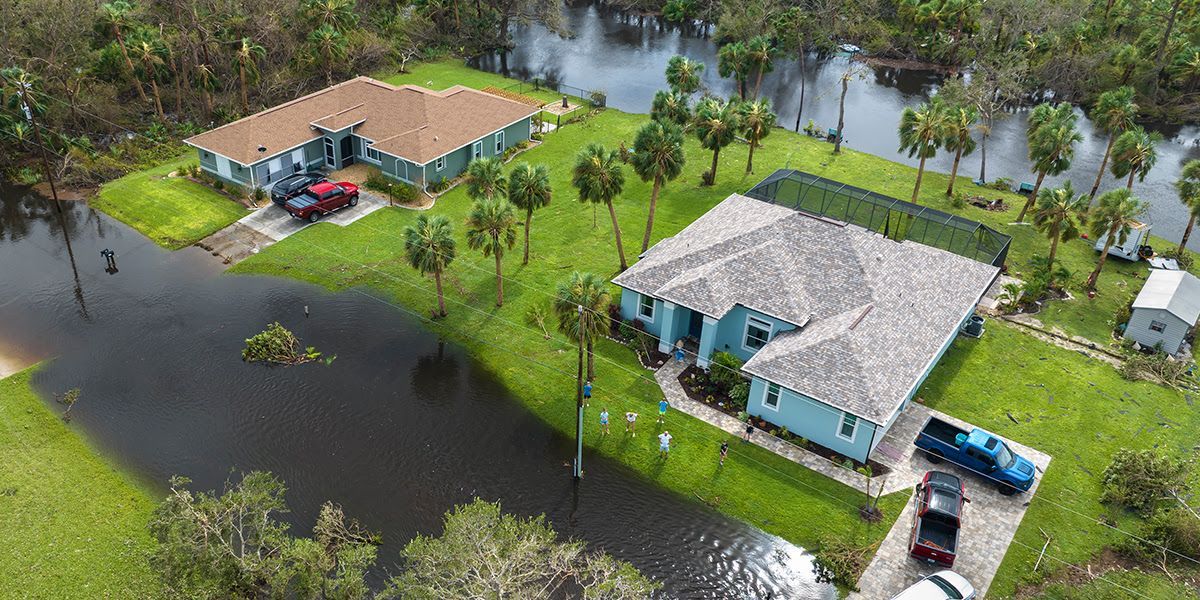
Plenty of Gainesville renters feel fairly comfortable about being 75 miles from the coast - it's an understandable position to hold. Hurricanes Irma and Idalia told a different story, though. Alachua County residents lost power for days straight, and heavy flood damage came from local creeks and retention areas - none of which was connected to storm surge or coastal exposure. Quite a few of the residents had no plan in place when any of it happened. The assumption that distance from the coast equals safety is one of the more expensive ones a renter can carry into storm season, and it comes up quickly once the storms start spinning up.
A little advance work before June 1 matters. Renters who know their lease, have the right insurance lined up, have their belongings documented, know their evacuation zone and have a basic supply kit ready are going to be in a much better position when something actually happens. It's just the sort of task that tends to get put off. Once a storm gets named and the forecast cone is pointing in your direction, most of the steps get a whole lot harder to pull off. The difference between a fast recovery and a slow one usually traces back to what was already in place before the season started.
Let's run through these five steps to get your Gainesville rental hurricane-ready!
Gainesville Property Owners Have a Real Storm Problem
Gainesville is about 75 miles from the coast. That distance tends to give property owners a false sense of security when hurricane season comes around. The general assumption is that a storm has to make landfall close by to cause any actual damage here - it's just not the case. Hurricane Irma in 2017 and Hurricane Idalia in 2023 proved that point well enough.
Those storms brought strong winds and heavy rain deep into Alachua County, and neither one was quick about it. Power was out for days across wide parts of the area, and some neighborhoods were still seeing flooding well after the storms had moved on. For rental property owners, a slow-moving storm like that can become an extremely expensive event - and if you managed properties through either one, you already know how fast the damage adds up.
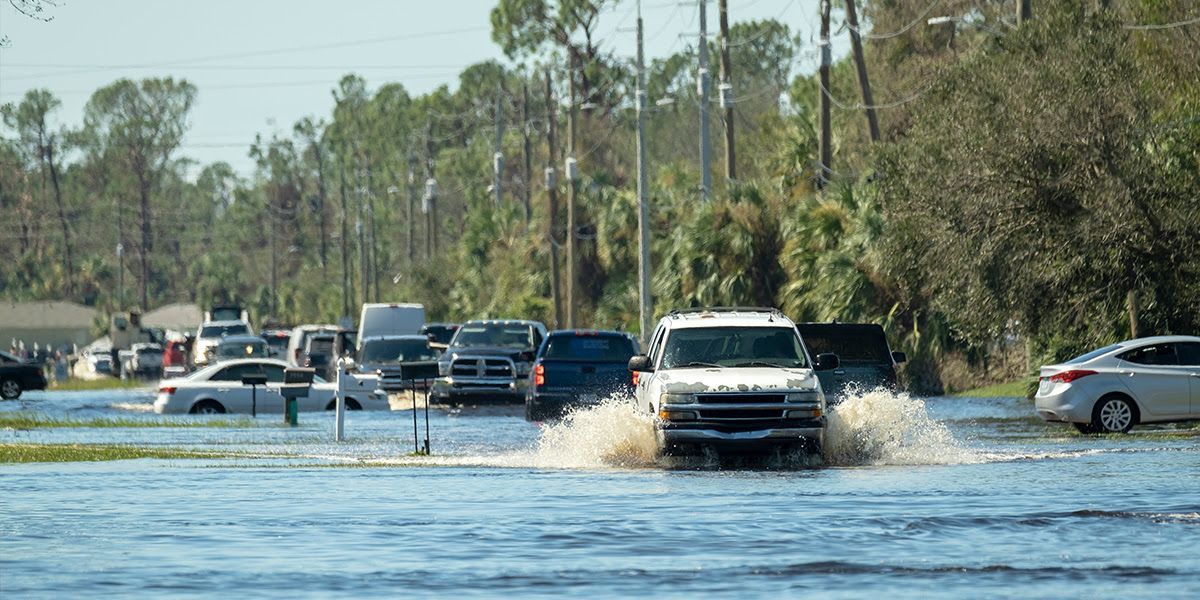
Flooding is where most landlords get in actual trouble. Gainesville has no shortage of low-lying areas near the creeks and retention ponds, and those areas fill up fast when a storm drops a few inches of rain in a short stretch of time. A rental property that's been dry for months can have standing water in the yard (or out in the street) before a storm has even moved through. Water damage is one of the more expensive repairs a rental property can be looking at, and it tends to get worse faster - especially when a unit's vacant or no one catches it early enough.
None of that's a reason to stress - it's a good reason to get your properties ready well before a storm is even in the forecast. A 48-hour warning doesn't leave nearly enough time to protect your assets, contact your tenants or get a repair crew lined up.
Check Your Lease Before the Storm Hits
Florida law says landlords have to keep their rental properties in livable condition. The definition of "livable" is narrow, and it doesn't automatically cover every type of damage or disruption that comes with a big storm.
Every lease handles storm shutters, backup generators and post-storm repairs a little differently - and those differences matter quite a bit when a storm is on its way. Your lease is the document that shows who covers what, so read through it closely before hurricane season gets here.

Flag any sections in your lease that mention storm prep, property maintenance or what's expected of tenants during a weather event. Anything that seems like a gray area deserves attention and a direct conversation with your landlord - a five-minute conversation now is a lot easier than a disputed repair bill after the fact.
Most renters don't pull out their lease until something has already gone wrong - and by that point, the answer to whose responsibility it was doesn't help much. An early read gives you a window to catch any gaps before they become a problem - whether that's a conversation with your landlord to sort out a few details or just a personal plan for the parts that fall on you. A 15-minute read before storm season starts prevents most of these disputes.
Neither party should assume the other has it all figured out. Your lease shows who's responsible for what - and it's worth a read long before a storm rolls in.
Does Your Renters Policy Cover Storm Damage
A landlord's insurance policy covers the building itself - the walls, the roof and the structure as a whole. What's inside those walls is a whole other matter. A tenant's furniture, electronics, clothing and personal items are not covered under the building's policy at all. For that protection, renters insurance is what fills in the gap.
A standard renters policy will cover your personal belongings in most situations, which is reassuring. Water damage from flooding is a whole different matter. Hurricane-driven rain and storm surge can damage your belongings, and a basic policy usually won't pay out for any of it. It's one of the most common gaps tenants run into. Before signing anything, call your insurance provider and ask them directly whether it covers wind damage, whether it covers flooding and what it takes to add those protections.
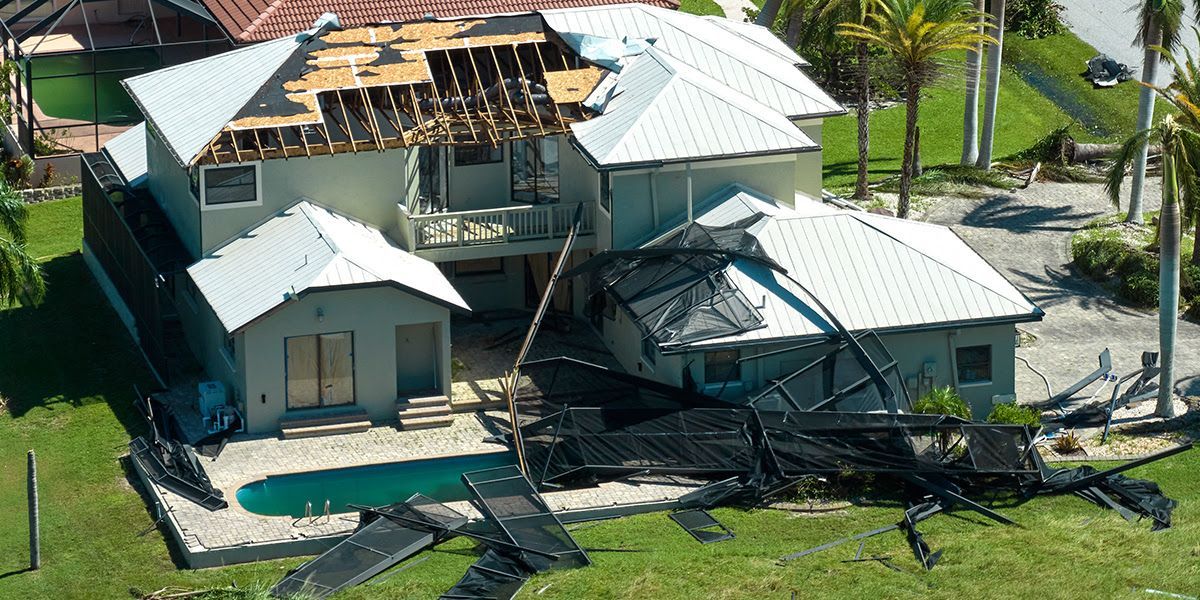
A gap in coverage right after a big storm is one of the worst situations a renter can be in. Flood and hurricane riders are usually pretty affordable to add, and the whole process is straightforward. Just make sure to ask your provider what the rider covers, what it excludes and when that coverage actually starts. Most of these policies have a waiting period before they go active, so it isn't something to put off until storm season arrives.
As for the coverage amount, don't pick a number at random. Go through your home room by room and add up the big-ticket items - furniture, electronics, appliances, clothing, jewelry. The total can get large fast - even before you get to the closets and drawers. A number that feels a little high is a much safer choice than a payout that falls well short of what it costs to replace your belongings after a loss.
Take Photos of Your Unit Before the Storm
A rental property insurance claim is only as strong as the documentation behind it, and storm season is exactly when that proof gets tested. Before the next storm rolls in, grab your phone and do a full walkthrough - every room, every appliance and every pre-existing scratch or scuff that you didn't cause.
When damage does come up, the conversation usually comes back to whether the storm caused it or it was already there. A dated photo or video is the only reliable way to settle that, and without one, the argument gets very hard to win. At that point, the default assumption almost never lands in your favor.

Deposit disputes are a perfect example of this. A landlord brings up a damaged wall, the tenant swears it was already like that on move-in day, and neither side has anything to back up their story. Memory alone doesn't hold up in those conversations. A timestamped video walkthrough does.
Once you have that footage, move it off your device and into the cloud. Google Drive, iCloud, a quick email to yourself - any of them will work as long as a permanent copy ends up somewhere that a storm can't reach. A photo that only exists on your phone won't help you if that phone gets water-damaged in the very same event that you'll have to file a claim for.
The walkthrough itself deserves plenty of time. Move from room to room, open every cabinet and get close-up shots of each appliance. The ceiling corners and the floor edges are worth extra attention - that's just where pre-existing wear likes to hide, and those are the same places that always seem to come up later in a dispute.
Check Your Alachua County Evacuation Zone
Your evacuation zone is one of the most important pieces of information to have before a storm hits - and plenty of renters and property owners just don't know theirs. Your assigned zone number determines when a mandatory evacuation order applies to your address, since Alachua County works on a zone-based system.
Head to alachuacounty.us and plug in your address - the whole process takes about 2 minutes. There's no guessing involved, and you won't have to wait around for a news alert to piece it all together.
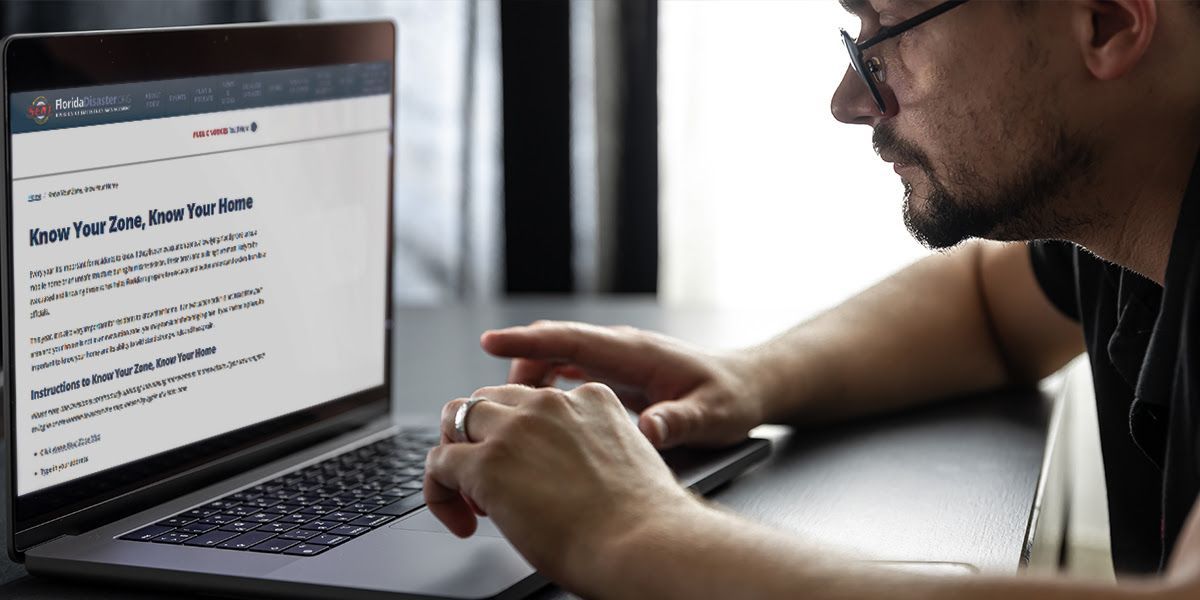
The zone system exists because different parts of the county flood at very different rates and road access can disappear well before you're even thinking about leaving. Late departures can turn into gridlock, long lines and a level of stress that was never necessary.
What matters is that when an order does go out, you already know if it applies to your property - no last-minute scrambling in the middle of a storm alert.
For renters especially, it's worth a second look at the start of each season. Renters move around far more than homeowners do, so a change of address can mean a change in zone. A quick check on your county's website at the top of each hurricane season is all it takes - and a few minutes of prep now can make that call to leave a whole lot easier when it matters.
Build a Storm Kit and a Plan
A storm doesn't wait until you're ready for one - and by the time one gets named, the shelves at every nearby store are already picked clean. A basic supply kit is a smart idea to put together now, while everything is still calm, so it's there when you need it. Include at least three days' worth of water and a decent stock of non-perishable food to go with it. From there, add your medications, a flashlight, extra batteries, a portable phone charger and some cash. These are all easy enough to find ahead and nearly impossible to find once a storm is on the way.
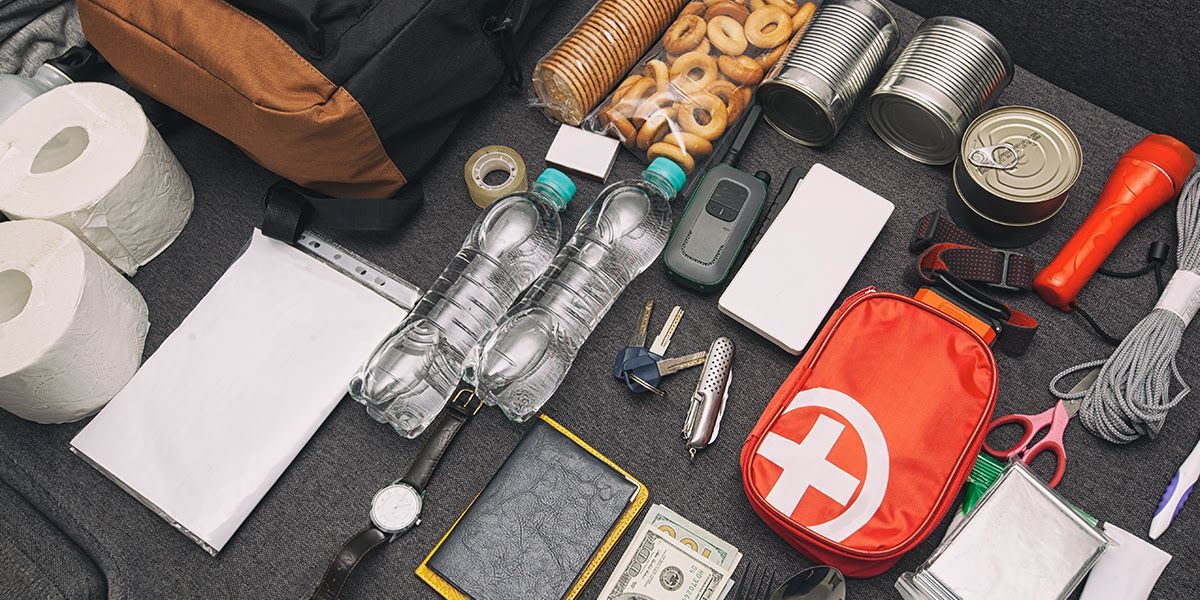
On top of the supply kit, a household plan should be in place before a storm hits. Agree on a meeting place with your family or roommates and choose ahead what you'll do if cell service goes out. Pet owners will have a few extra layers to work through - where your animals will go and what they'll need can be a bit harder to sort out. A quick conversation about this now can make this much easier when the time comes.
One more item belongs in your kit - copies of your lease and renter's insurance documents. When something goes wrong with your unit, those papers put you in a much better position to move fast and get the right help. Tenants who come prepared with this will usually get through the assistance and reimbursement process much faster after a storm. It's a small detail. But it pays off.
One last point - apartments usually have limited storage space. But it's a very workable situation. A single bag or a compact bin that slides under the bed is plenty to cover the basics. A tight living space shouldn't stop you from having one - just adjust what goes inside to match your home and your household.
Deal With Storm Damage and Your Claim
Once the storm has passed, don't rush back inside just yet. Downed power lines and standing water are far more dangerous than they look, and a property can look completely fine from the outside as real hazards sit just past the front door. Wait until you have the official go-ahead before you head back in.
Once it's safe to move around, go room by room and photograph anything that looks different from your pre-storm photos. That's where all that prep work pays off - you now have a reliable record of what the damage actually is, and just as relevant, what it was not. Get those photos over to your landlord that same day if you can. The sooner they have everything in hand, the sooner repairs can get started.
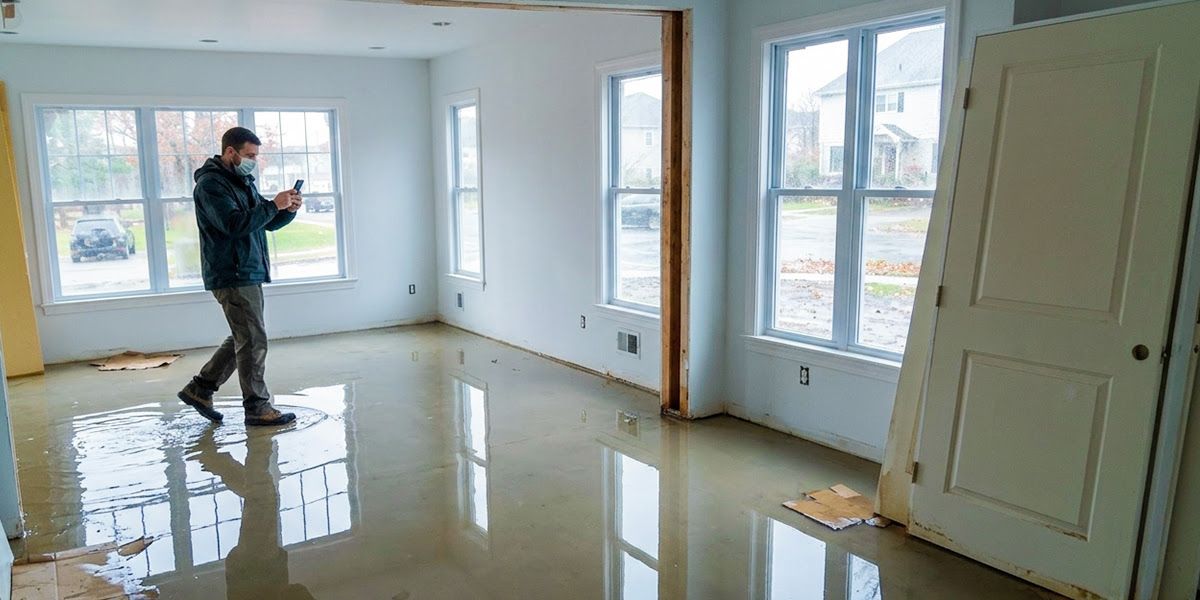
You should also call your renter's insurance provider as soon as you can. Most policies have strict deadlines for reporting storm damage, and a late call can complicate your claim - sometimes enough to shrink your payout. Once you make that call, write down the name of the person you spoke with, what they told you and the exact time and date - it only takes a couple of minutes, and that little paper trail can become one of the smartest moves you make throughout the whole process.
One more piece of advice - hang onto every receipt from storm-related expenses, and yes, that includes the small ones. Temporary repairs, hotel stays, replacement items - it all adds up quickly, and every dollar of it deserves a paper trail. Your insurance provider will very likely want to see it at some point, and if everything is organized ahead of time, the whole claims process gets much less painful.
Reporting promptly and keeping reliable records are your two best tools in all of this. With both on your side, repairs get handled faster, and your deposit stays protected.
Let Us Handle the Details
Storm season in Gainesville doesn't have to be something that you dread for months on end. None of what we're going over here is all that tough, and it won't cost you much time or money either - the main point is getting it all done before a storm is on the way. A few weeks of light prep spread out across the calendar is a whole lot more manageable than pulling everything together in the 48 hours before landfall.
Advance preparation won't make the storm any less rough - but it does make the whole experience a bit more manageable.

Everything we've covered does come back to what
Pepine Property Management is built around. We serve the Gainesville area and North Central Florida, and our goal is a simple one - renters deserve communication, well-maintained homes and a management company that actually picks up the phone when something comes up. For property owners, we take care of the day-to-day so your investment stays protected and keeps working. Get started at our available rentals, request a free rental analysis, or talk to us directly with any of your questions.
Share this post