

How Long Should a Gainesville Rental Sit Vacant?
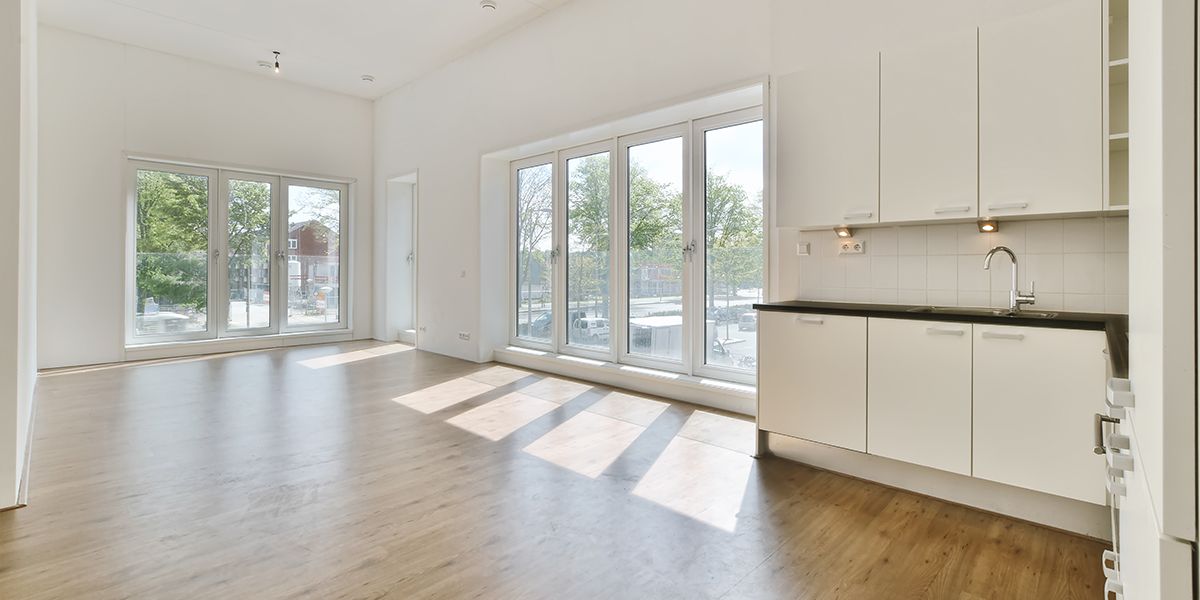
An empty rental unit puts real financial pressure on a landlord. The mortgage is still due on the first of the month, the insurance bill still arrives, and the listing just sits there with no interest to show for it. The stretch between tenants is pretty manageable at first - but a few weeks in, those costs add up fast.
Gainesville follows a very different schedule than most Florida cities. That schedule is driven almost entirely by the University of Florida. With over 55,000 students moving through the city every year, the rental market here behaves in ways that landlords from other markets aren't used to - but once you know the pattern, it works. Demand doesn't spread evenly across twelve months the way it does elsewhere (it builds, it surges, it softens, and then it surges again) on a schedule that repeats pretty reliably, year after year.
That cycle is tied closely to the academic calendar, so leases tend to turn over around the same windows each year. When you know what to expect, you can plan ahead, price your units with more confidence and cut back on the time a unit sits without a tenant.
A sense of what normal vacancy looks like in this market (and what's actually behind it) puts you in a much better position when a unit starts sitting too long. At that point, a fast and level-headed response is what prevents a two-week gap from slowly turning into a three-month loss.
Let's take a look at how long your Gainesville rental should realistically stay vacant!
How Long Is Too Long for a Rental
Most well-run rentals in Gainesville will land a new tenant somewhere in the two-to-four week range (it's a pretty decent window), enough time to get the property listed, to run showings and work through applications without much rent loss in the process.
It doesn't necessarily mean the property is unrentable - it just means something in the process is worth looking at more closely. The longer it takes to pin down whatever the issue is, the more it's going to cost you.
Every rental property has its own story, and where yours fits in the market does matter. A two-bedroom near the University of Florida will rent out way faster than a three-bedroom house on the outskirts of town - and probably at a different price point. Location, condition and timing all affect how fast a unit gets filled, and no two properties are ever going to work out the same way.
A mistake landlords make is to compare their Gainesville rental to what they read about in other markets. A timeline that works in a high-demand city like Austin or Atlanta doesn't automatically translate here - Gainesville runs on its own schedule. The local market has patterns that are pretty particular to this area, and the university calendar alone can swing rental demand pretty dramatically from one month to the next. A period that looks slow on paper might just be an off-peak window for your property type.
An empty unit at the three-week mark is pretty normal - there's no need to worry about it. But if you get to five or six weeks without much traction, that's when it's worth taking a look at how you compare to your local market. At that point, the issue is usually pricing, a marketing gap or a combination of the two - and each one gets handled a little differently.
The next section covers what actually drives that baseline number here in Gainesville and what you can do when your vacancy window runs longer than it should.
How the Gainesville Rental Market Really Works
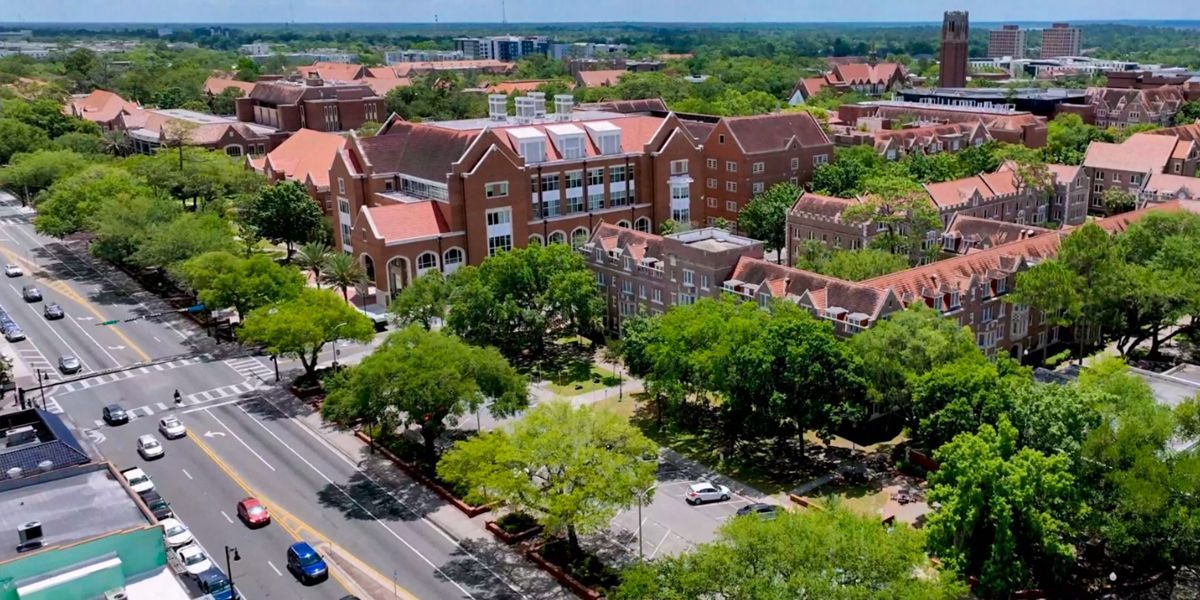
The University of Florida is the single biggest driver of rental demand in Gainesville. With over 55,000 students enrolled, the university generates a steady stream of renters who move through the city every year - built-in demand that most college towns just can't compete with.
Not every part of Gainesville moves at the same pace. A property within walking distance of campus tends to get plenty of attention early, and it'll usually be spoken for long before move-in day even rolls around. A property that's a few miles out pulls in a different crowd, and the leasing timeline shows that.
Plenty of landlords run into hot water right here. After a quiet stretch with no bites, the instinct is to think something is off - the listing, the price, whatever. In most cases, it's none of that. The property is in a part of town that runs on its own rental timeline - it's a whole different problem that calls for a whole different answer.
A week or two without any applications near campus is worth a look - something could be off with your listing. That same stretch in a neighborhood farther out is pretty normal. The difference between those two scenarios is wide, and it's worth sorting out early on.
Gainesville's rental market is more like a combination of separate markets, each one shaped by how close it is to UF, the type of renter that each area tends to draw, and how much competition exists on any given street. Where your property falls within that picture is the first point to figure out, because it's what tells you whether a vacancy is actually a warning sign or just a part of how that area tends to move.
The Season That Sets Your Vacancy Timeline
The University of Florida drives the rental market in Gainesville. Most students start their housing search in January, February or March - all with an August move-in date in mind. That rental period is short, and the best units rent very fast.
A unit that's ready to list in February gives you a chance to get a tenant signed well before the summer. After April, the window starts to close pretty fast. Students have already locked in their leases by then, and the number of renters who are still actively looking gets much smaller with each week that goes by.
An empty unit in June is a very different problem than an empty unit in February. You have the benefit in February - there's strong demand, there's urgency, and the tenants are ready to sign. By June, that demand has already faded. At that point, you're just waiting for the next cycle to return, and the gap could mean a few months of vacancy and lost rent.

This exact pattern plays out every year in Gainesville. A landlord who ends up with a vacant property all summer can usually trace it back to a timing issue earlier in the year. A unit that could have been leased in March can sit empty well into the fall semester, just because the timing didn't work out.
The academic calendar is one of the most predictable schedules out there, and it works heavily in your favor if you're willing to plan around it. My advice is always to work backward from August - once you've figured out when students start their search, the rest of your prep timeline starts to fall into place. Get the unit ready early, get it listed early, and the leases will follow.
Are You Asking Too Much for Rent
Two to three weeks on the market with barely any calls is a reliable signal that something needs to change - and in most cases, that something is the price. Gainesville is a competitive rental market full of students and young working adults who have plenty of options to choose from, and they will move on the second a listing feels even a little out of reach.
Even a small price adjustment (we're talking $50 to $100 a month) can make quite a difference in your listing's performance. At that price point, your listing moves into a different search range on most rental sites, which puts it in front of a whole new group of renters who weren't seeing it before. In a market this competitive, a move like that can take a quiet listing and turn it into a full showing schedule within just a few days.

These are worth your attention. If your listing is pulling in plenty of views but no one is reaching out, or if renters are walking through the unit and then you never hear from them, pricing is usually what's slowing it down. A well-kept property in a good location that just won't lease - in most cases, that's a pricing problem, and it comes up a lot. In my experience, it's also one of the easier ones to fix once you've identified it.
Plenty of owners lock onto a number they've decided they need - one built around what they want to make instead of what a renter is actually going to pay. When they hold that line too hard, a unit can sit empty for weeks at a time, and those weeks add up. Patience has its place in this business. But this isn't one of those times.
Empty Units Cost More Than You Think
A vacant unit can look pretty harmless on paper. No tenants, no complaints, nothing is actively going wrong.
Most landlords don't actually feel the weight of vacancy costs until they're already a few months into one - and by then, the numbers aren't pretty. With no rent coming in, the bills still arrive right on schedule. A Gainesville rental at $1,500 a month that's left empty for two months works out to $3,000 in lost income - and that's before a single expense gets counted.
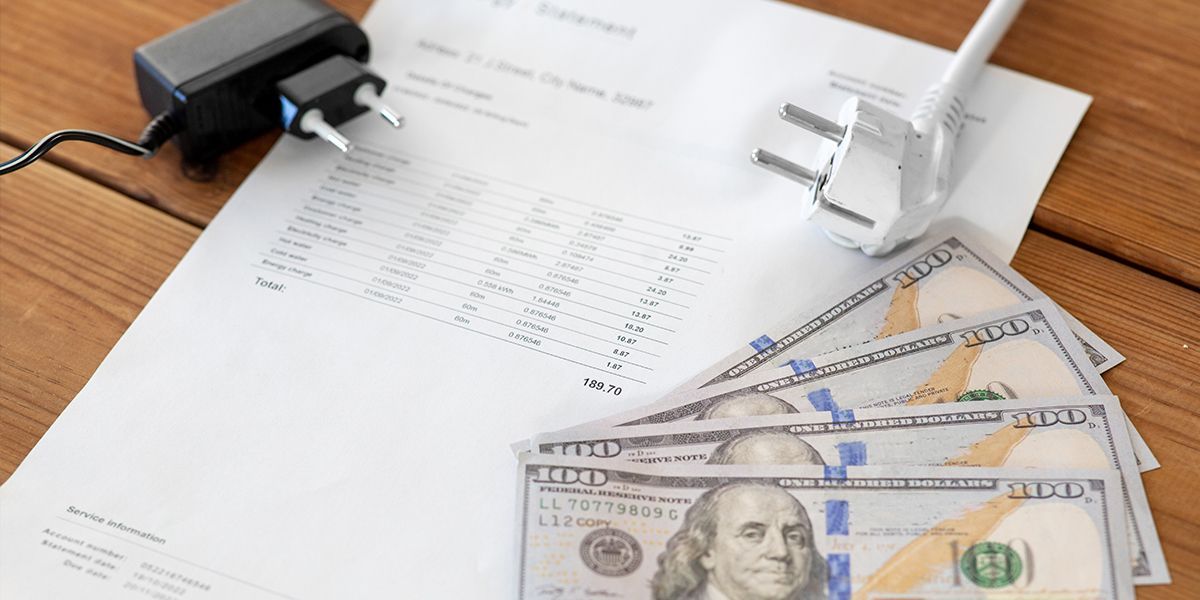
The costs never stop either. The mortgage is still due every month, and the insurance premium doesn't care whether anyone's living there or not. If the unit's air conditioning or water heater is left running, those utility costs will still climb either way. Lawn care, pest control and scheduled maintenance don't stop just because a tenant moved out - the property still needs some attention, occupied or not.
The full picture gets harder to look at when you add it all up. Landlords wait three or four months before they sit down and run the numbers - and by that point, the difference between the expected income and actual income tends to be pretty stark. I see this fairly regularly. A higher monthly rent rate seems like a basic idea in theory, and sometimes it works out. But a prolonged vacancy can slowly cancel out whatever that extra rent was worth waiting for. Two extra months of vacancy at $1,500 a month is $3,000 gone, which wipes out an entire year's worth of a $250 rent increase.
Flexible Leases That Fill Your Gaps Faster
Gainesville's rental market runs almost entirely on a university calendar. But that schedule doesn't always line up with when your property happens to be sitting empty. A long-term tenant is just one of several paths forward for property owners.
Short-term and semester-based leases are a great option in Gainesville. The University of Florida attracts visiting faculty, graduate students and exchange students on a pretty steady basis - and plenty of them need furnished housing for just a few months at a time. A year-long lease is usually far from their minds, which is actually great news if you have a summer gap or a mid-year vacancy to fill.

Owners who use this strategy usually come out ahead financially. A three-month lease to a visiting scholar won't be a long-term win on its own. But it does mean actual money coming in during months that would've otherwise sat empty.
All that flexibility is only going to serve you well if the lease itself is written well. No matter how long a tenant plans to stay, everything in that lease needs to be locked down before the tenant moves in. A well-written short-term lease carries just as much weight as a long-term one, and in a market like Gainesville, it might be just what keeps your rental income steady all year long.
Small Moves That Fill a Vacant Unit Fast
Vacant units have a funny way of causing landlords to freeze up when the right call is just to act. As it turns out, a few small adjustments can turn the situation around pretty fast - a full overhaul is almost never what's actually needed.
The listing itself is usually the first place worth looking at. Outdated or poorly lit photos do plenty of quiet damage - they shape how a would-be tenant feels about a property before they've even read a single word of the description. A fresh set of photos and a rewritten description matter for a listing that hasn't moved in weeks.
Pricing is worth revisiting as well. Plenty of owners lock onto a number that made sense a few months ago. But the rental market tends to move on without them. A small price adjustment (made sooner instead of later) can be just what it takes to turn a stale listing around.

A little lease flexibility can help fill a vacant unit faster. A shorter first term or a move-in incentive gives tenants a bit more of a reason to say yes, and it gives owners more options to work with when a unit's been empty for a while. Owners who fill vacancies fast usually have one trait in common - they made a few small adjustments instead of holding out for the market to come to them.
Inaction is still a choice, of course - it's just not a free one. Every week that a unit sits empty is another week of lost income that no future rent check can ever make up for. In most cases, the owners who come out ahead are the ones who treat a slow listing as a cue to make a move instead of a reason to wait it out.
Let Us Handle the Details
Every landlord who has stared at an empty unit and wondered what they are doing wrong has been through some version of this. The stress is very real - and so is the path forward from it. Gainesville tends to reward the owners who get in sync with the market's rhythm, price their unit fairly and stay willing to make small adjustments before a two-week vacancy stretches into a two-month one.
The owners who come out ahead in this market aren't usually the ones who had perfect timing or a flawless listing from day one. In most cases, it's the ones who saw a slow stretch for what it was and made moves to fix it. In a market as seasonal and hyper-local as Gainesville, that willingness to act actually matters.

If vacancy windows and the day-to-day stress of property management are cutting into the time that you would spend on your investment, then
Pepine Property Management is worth a conversation. We've been working with property owners all across North Central Florida for years, and this market is one we know well. From seasonal pricing and tenant screening to maintenance and everything in between, we take care of it - and none of that has to fall on you. A free rental analysis is a great step if you want a number on what your property could be earning with the right team behind it. Get in touch with Pepine Property Management, and we'll put that local knowledge to work.
Share this post