
Who Pays for Mold Damage in a Gainesville Rental?
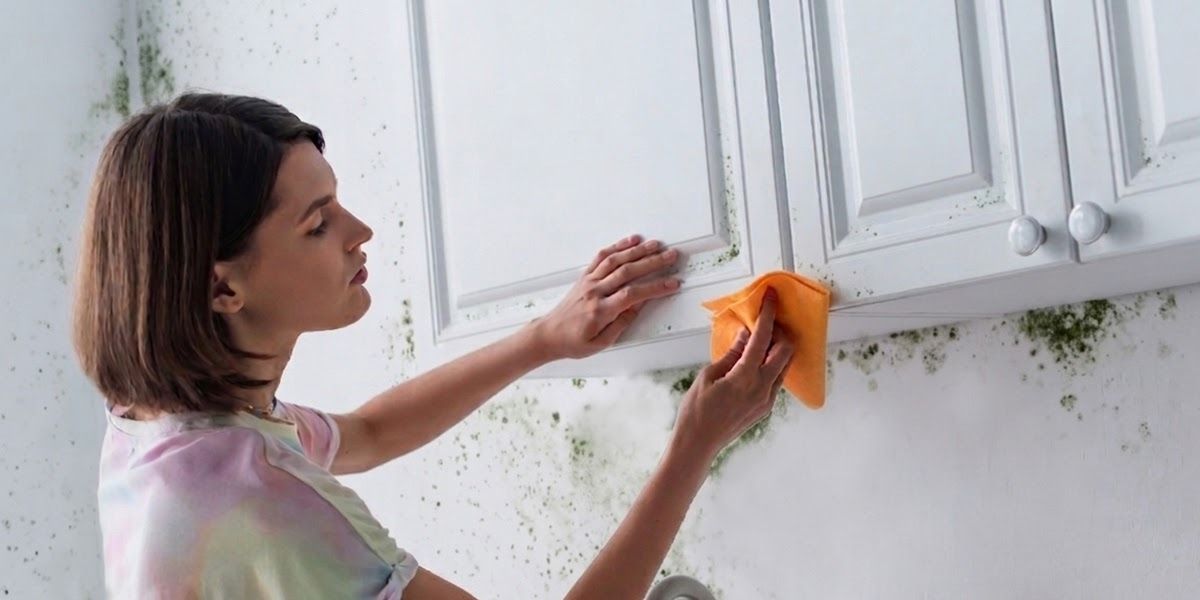
The biggest question in any mold dispute is where the mold came from. A landlord who ignored a leaking roof or let bad plumbing go unrepaired is in a very different position than a tenant who never once turned on the bathroom exhaust fan. Florida law separates these two scenarios, and the distinction matters more than you know. What most miss is that the law only protects you if the right steps were taken in the right order.
Most tenants and landlords will either skip those steps altogether or work through them out of order - that's where the costs start to pile up. A tenant who doesn't go through the right process can undermine their legal position - sometimes almost completely. A landlord who makes the same misstep can be looking at a level of liability that a bit more care at the start would have largely prevented.
Florida doesn't have a single mold-specific statute that lays everything out in one location. The laws are spread across landlord-tenant law, habitability standards and in some cases local ordinances. That can make it a bit hard to know where you stand without looking at a few different sources at once.
It also matters when the mold was reported, how it was reported and what happened after that. A verbal complaint carries quite a bit less weight than a written one, and timing plays into how the law reads the situation. Whether you're the tenant or the landlord, the paper trail that you have (or don't have) can shape the outcome just as much as the facts themselves.
Let's talk about who's responsible when mold shows up in your rental!
Mold Loves the Wet Air in Gainesville
Gainesville's humidity is flat-out relentless. The city falls within a subtropical climate zone, which means warm and wet air is a year-round reality here - and mold thrives in those conditions. A little warmth and steady moisture in the air are all it takes for mold to take hold and spread.
The most frustrating part about mold is how fast it moves. It can start to develop in as little as 24 to 48 hours in damp conditions, which isn't much time after a plumbing leak or a few rainy days with the windows left cracked open.
A small amount of moisture in the wrong place can quietly turn into a big problem long before anyone notices. A well-kept rental can wind up with a mold problem when there's too much moisture and not enough airflow moving through it. The main issue is the environment inside the walls, around the windows or under the floors - and it has nothing to do with how you clean.
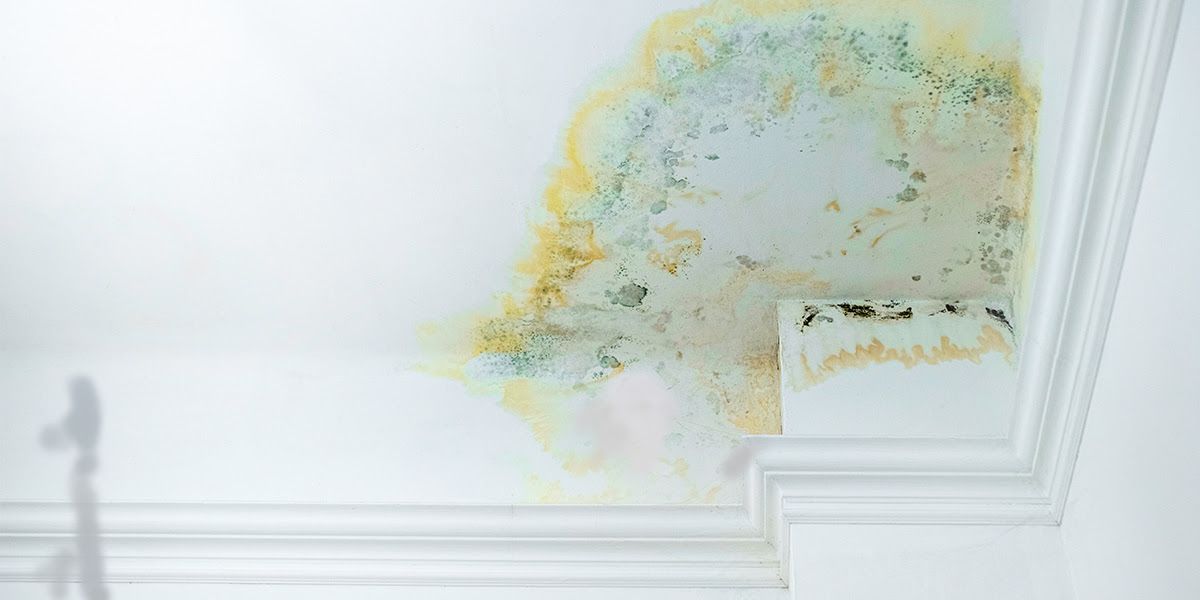
Gainesville's summers are long and brutally humid with heavy rain, and the winters are mild enough that buildings in the area almost never get a break from the moisture. With dampness that hangs in the air nearly all year, mold has very little reason to slow down. Rentals with poor ventilation or older HVAC systems are going to have a much harder time keeping indoor moisture at a safe level - and in a city like Gainesville, that's a big disadvantage.
A musty smell or dark patches near a window, a vent or a baseboard are always worth a look. Those signs mean that moisture has been sitting somewhere long enough to start causing damage. The earlier you catch it, the easier and cheaper the whole fix ends up being.
Florida Landlords Must Keep Your Home Livable
Florida landlords have a legal obligation to keep their rental properties in a livable condition. Under Florida Statute 83.51, that obligation is a matter of state law.
Once mold is in the mix, that legal standard starts to carry quite a bit more weight.
A roof that leaks water into your walls, a pipe that breaks behind the bathroom tile, a ventilation system that never moves air through the unit the way it should - these are mold problems that a tenant has no power to stop on their own. Florida law recognizes this, and when mold is traced back to a structural failure like these, the landlord is usually the one responsible for fixing it.
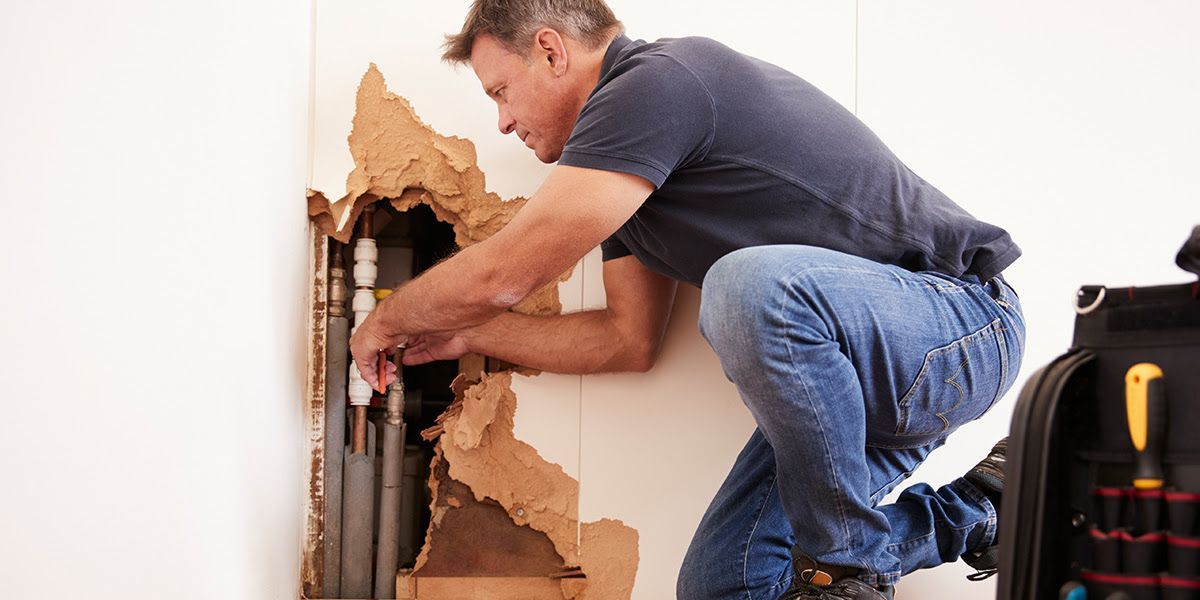
Florida courts have actually ruled that bad mold growth qualifies as a violation of the habitability standards under Statute 83.51. For any tenant in the middle of a dispute, that ruling carries quite a bit of legal weight.
If the mold in your rental goes back to how the building was first put together, how it's been cared for over the years or how past repairs were handled, that responsibility falls on the landlord - not the tenant. Renters in Gainesville shouldn't have to carry the health and financial burden of problems that were built into the property long before they ever moved in.
Mold cases in this category can put tenants in a stronger legal position - like the right to demand repairs, withhold rent under the right circumstances or go after other remedies if the situation gets bad enough. A basic sense of where the law stands here matters in how a dispute is resolved.
When Mold Is the Tenant's Fault
Landlord-tenant disputes over mold carry the assumption that the landlord is the one at fault - and Florida law pushes back on that. Tenants have their own legal duty to practice basic care, and what that means is that the day-to-day habits inside a unit can directly affect who ends up liable.
Most mold problems in Gainesville rentals trace back to day-to-day habits. Long hot showers with the bathroom door shut, wet towels left in a pile on the floor and windows that never get cracked open during a muggy Florida summer - these are the little details that quietly push moisture levels up over time. No one is doing any of this on purpose - it's all just a normal part of the day, right up until there's a dark patch behind the toilet or under the sink. The air conditioning matters here as well. Gainesville's humidity is very intense, and when the AC goes off for an extended stretch, indoor moisture levels can climb pretty fast into mold territory.

The actual legal exposure for a tenant starts when a landlord can point directly to a tenant's behavior as the root cause of the mold - and in my experience, this is a critical piece of any mold dispute. At that point, remediation costs can fall on the tenant - and it gets even messier if the tenant never reports a moisture issue or even tries to hide existing damage. A landlord can't fix a problem they don't know about, and the longer a tenant holds back that information, the harder it gets to sort out who's actually responsible.
Gainesville's humidity is relentless, and it puts a steady responsibility on tenants to stay on top of their ventilation, air circulation and moisture control all year long.
Put Your Mold Complaint in Writing
As a Florida tenant with a mold problem, the single biggest move that you can make is to get your complaint documented in writing. Florida Statute 83.56 gives landlords 7 days to respond once they get it in writing - but that 7-day clock won't even start until the complaint is actually on record somewhere.
Verbal complaints are a much messier situation. A tenant who mentions mold in person or over the phone has no way to prove what was said - or that the conversation happened at all. Without a written record of any kind, the landlord can later claim they never heard about it - and the tenant is left with nothing to back up their side.
A short email changes all that - it leaves an automatic paper trail with a date and time baked right into it. A record like that is extremely hard for anyone to dispute after the fact. The timestamped photos of the affected area, sent alongside that message, only make the tenant's position even stronger - a timestamped photo is about as hard to argue with as it gets.
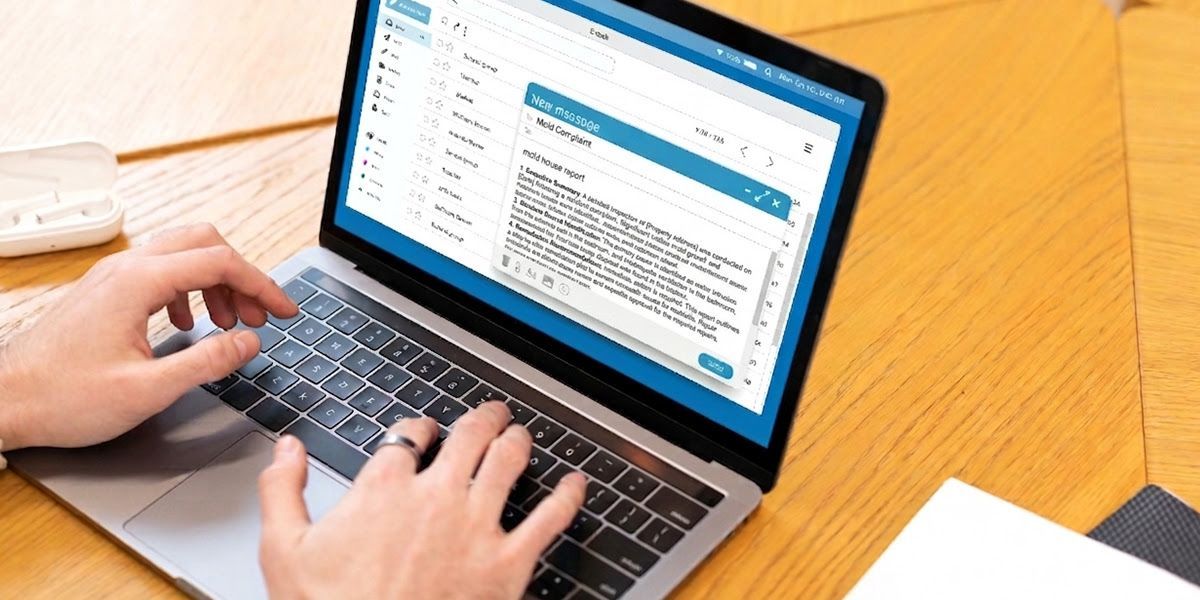
The great news is that the notification doesn't need to be a formal legal document - not even close. A short email with a quick description of the mold, its location and the date the tenant first saw it - that's all it takes to get the ball rolling. Two or three sentences will do the job.
The whole process is free and takes about 5 minutes.
Does Your Renters Insurance Cover Mold
Renters insurance does act like a safety net - and in most ways it holds up. Mold damage to your personal belongings is a separate matter entirely.
Most renters' insurance policies either exclude mold coverage altogether or only cover it in a very small set of circumstances. If your furniture, clothing or electronics get damaged as you and your landlord are still going back and forth about who's responsible, your policy might not pay for any of it. When you're mid-dispute with money already on the line, that coverage gap can leave you in a pretty tough situation.
It's easy to go without reading your policy until you need to file a claim - and at that point, there's not much you can do about it. Before anything goes wrong, pull out your policy and go through the exclusions section. What you want to look for is any language around mold, fungi or water damage - those are the sections that will spell out what you're covered for and what you're not.

Coverage doesn't automatically mean you'll get a payout - especially with mold. Mold-related claims for personal property loss usually have conditions attached - and the fine print in those conditions can make or break what you actually receive when the time comes to file a claim. In my experience, that's the part that creates more friction in landlord-tenant disputes than almost anything else.
A dispute with your landlord is already stressful enough on its own - you don't need financial uncertainty on top of all that. Taking the time to know what your coverage includes well before the situation escalates means one less worry hanging over your head, regardless of how it all plays out.
How to Handle a Mold Dispute
A landlord-tenant dispute over mold responsibility can get heated pretty fast, and at some point, parties need a path forward. The upside is that a few decent options are out there that stop well short of a courtroom appearance.
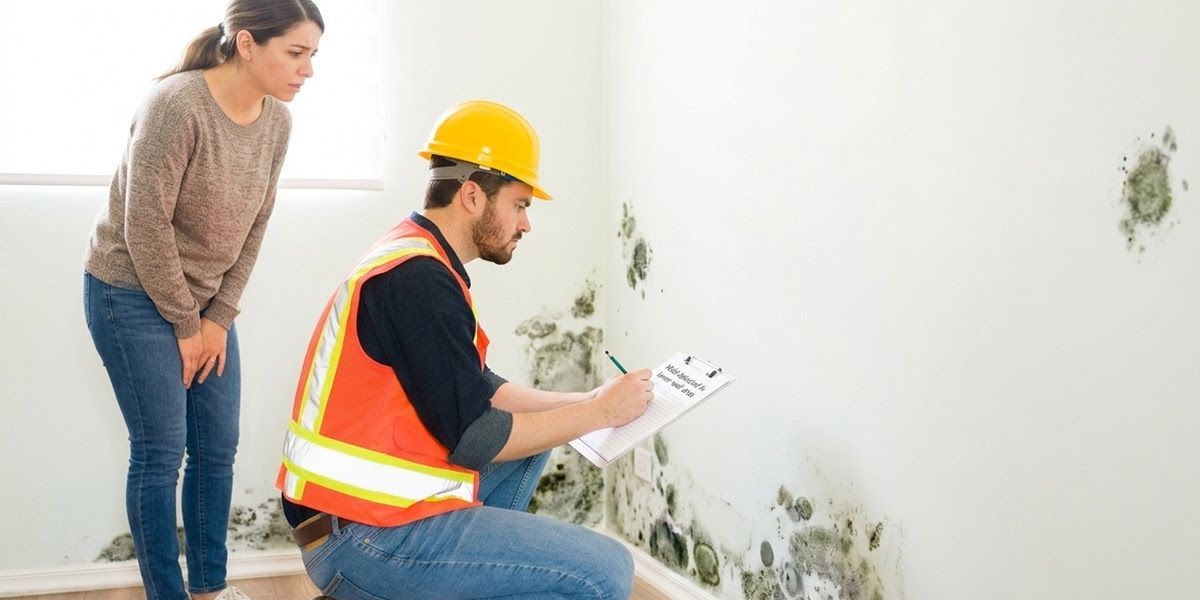
One path worth a look is a formal complaint with Gainesville's code enforcement office. If your rental has a mold problem that's bad enough to make it unsafe to live in, local inspectors have the authority to come out and look over the unit themselves. A written finding from one of the inspectors will carry a whole lot more weight with a landlord than any text message exchange ever will.
Florida law also gives tenants some real leverage when a landlord won't act. In the right situation, a tenant can legally withhold rent (or walk away from the lease altogether) if the landlord has failed to keep the unit livable. That said, it's not something to jump into on a whim. A few legal steps have to happen first, and missing any of them can make a bad situation a whole lot worse.
Mediation is also an option if you'd rather stay out of a courtroom. A neutral third party sits down with both of you and helps work through the disagreement in a more informal setting. It's usually faster and quite a bit less expensive than a lawsuit, and it gives both sides a chance to walk away on decent terms. That last part matters quite a bit if you're looking to stay in the unit long term.
Whichever path you take, time matters quite a bit. Mold is not a slow-moving problem - it spreads, and it can spread fast. For tenants who already have asthma or allergies, even a small amount of mold can cause real health problems, and those problems will only get worse the longer the situation goes unresolved. From what I've seen, the tenants who wait the longest usually end up with the most damage to their health and to their case.
What Should You Do When You Find Mold
Fortunately, you can take a few steps to protect yourself.
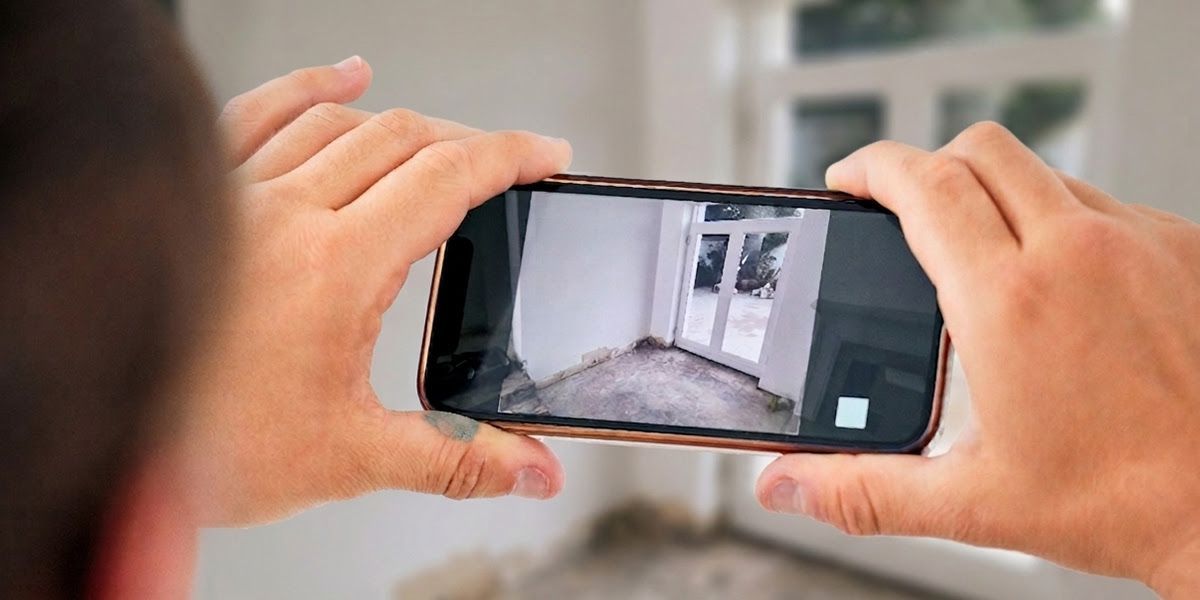
Before anything else, grab your phone and document everything as the mold is still in its original state. Get some wide shots of the full area and then move in close for detail shots. A photo or video of the mold just as it looks could be one of your strongest pieces of evidence if this ever turns into a dispute.
Then notify your landlord in writing. A text message will work if that's your only option. But an email is the better call - it automatically leaves a timestamped record that you can refer back to if the situation gets messy. With mold, it sometimes does.
Pull out your lease and read through it. Leases will spell out who is responsible for moisture damage and mold, and once you know what yours says, you'll be in a much stronger position to push back or take action.
If the mold comes back more than once or the problem looks like it's spread to more than one area, a professional mold inspection is well worth it. A trained inspector can find out what type of mold you have, how far it has spread and pull it all together into a formal written report. That documentation helps you push back on a landlord, a contractor or anyone else involved - and from what I've seen, it's the preparation that actually gets you results.
The sooner you move on this, the better. Mold spreads fast, and your window to take legal action won't stay open forever.
Let Us Handle the Details
The root cause of the mold is what determines who's responsible for paying for it, and Florida gives tenants and landlords alike an easy set of laws to follow. From there, it all can depend on documentation - that's what holds everything together when a dispute does come up. When those three pieces work together, each side has a way forward instead of unnecessary back-and-forth.
How fast you respond to a mold problem is what matters to you the most - for your health, yes, and also for where you stand legally. Mold moves fast, and the longer it sits unaddressed, the harder it can become to say no one knew about it. With strong documentation and a record of what happened and when, problems are fixable - even when they feel like too much to manage. A well-kept paper trail is one of the most helpful tools that you can have on your side when situations get messy like this.

A strong property management team matters when the maintenance needs, lease responsibilities and tenant communication start to add up - and without the right support in place, they always do.
Pepine Property Management has been serving owners and residents across North Central Florida with a client-first strategy that makes rental ownership less stressful. Our team takes care of the day-to-day details that matter most (repair coordination, careful property condition records and everything in between), all to protect owners and residents alike. We'd love to connect - whether you're a property owner in need of reliable management or a resident in search of a well-maintained home.
Share this post