
Landlord vs Renters Insurance for Levy County Owners

These two policies serve very different jobs and cover very different people. A landlord's dwelling policy is built to protect the physical structure of the building and the owner's liability if something happens on the property. A renter's policy works the other way around - it's designed for the tenant, with coverage for their personal belongings and their own liability. Neither one covers the other, and the separation between them can matter when something actually goes wrong.
Before we get into the problems that go with this area, it's worth a quick pause - it's one of the more common misunderstandings I come across with rental property owners, and it can cost money.
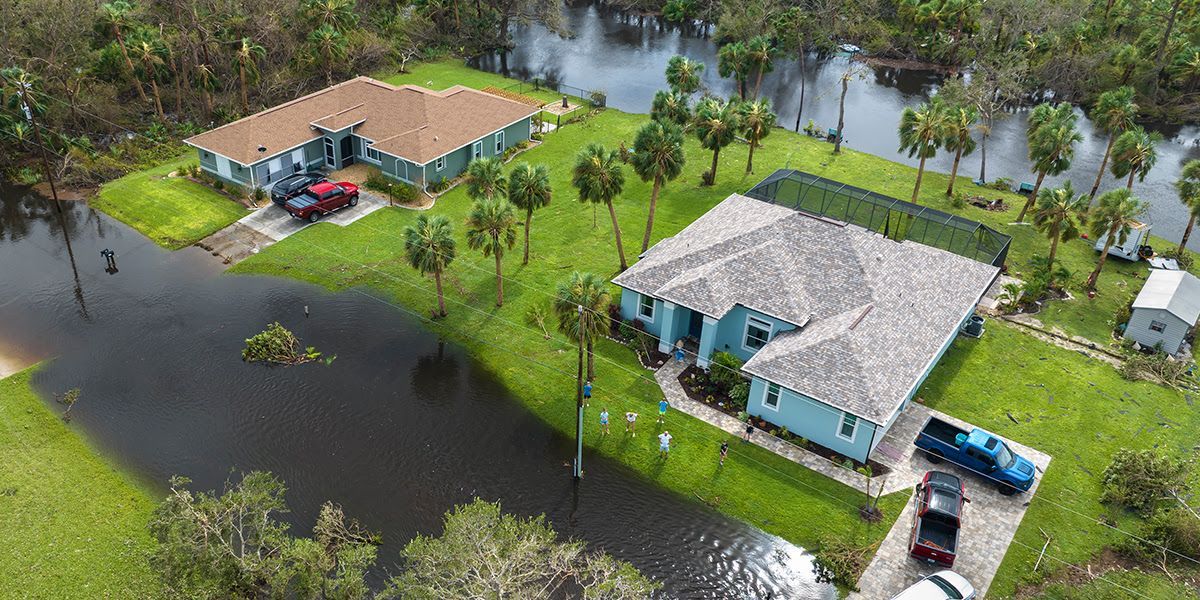
Levy County's location along the Gulf Coast brings another layer to this. Hurricane season runs from early June through late November, and properties near Cedar Key or Yankeetown face storm surge exposure on top of the usual wind and rain problems. A standard policy (whether it belongs to a landlord or a tenant) almost never covers storm surge on its own, so the gap won't close without separate flood coverage built in from the start.
Liability coverage needs to be just as strong - rental properties carry a very different liability profile than a primary residence does. These pieces do need to be in place well before storm season hits, and they need to be right for a rental property to stay financially viable after a big weather event.
Let's go through the two coverage types so Levy County owners can choose wisely!
What Does a Landlord Policy Cover?
For landlords in Levy County, a dwelling fire policy is the foundation of your coverage - and before we get too deep into the weeds, it's worth pointing out that it's a whole different product from a standard homeowner's policy.
A homeowner's policy is built around one core assumption - you actually live there. A dwelling fire policy works differently - it's made for properties where a tenant or another person is the one spending the night. The physical structure is still covered - features like the walls, the roof and any built-in fixtures. But the whole point of the policy changes. Instead of protecting you as a resident, the policy protects you as the owner.

Liability protection is another major component. If a tenant or their guest gets hurt on your property and you're held responsible, that coverage is what stands between you and a financial hit. This matters even more for landlords in Levy County because a large chunk of the rental stock in this area is made up of older homes or mobile homes. Those property types carry their own underwriting guidelines, and what your policy covers can vary quite a bit based on the age or type of home that you own.
That last part matters - especially before you buy. Policies on older or mobile homes can carry exclusions or higher thresholds that eat into your coverage when a claim comes in. Read your policy from front to back and ask your agent pointed questions about your property type - what's covered and what isn't. Armed with that picture, you'll be in a much better position as a landlord.
What Does a Renters Policy Cover?
Renters insurance revolves around the tenant instead of the building itself. A policy covers their personal belongings, their personal liability and their living costs if their unit becomes unlivable. That last part is worth a little extra attention.
When a pipe bursts or a fire breaks out, and a tenant has to find somewhere else to stay in the meantime, renters' insurance can step in and cover those temporary housing costs. For everyone involved (landlord and tenant alike), that's a genuine relief.
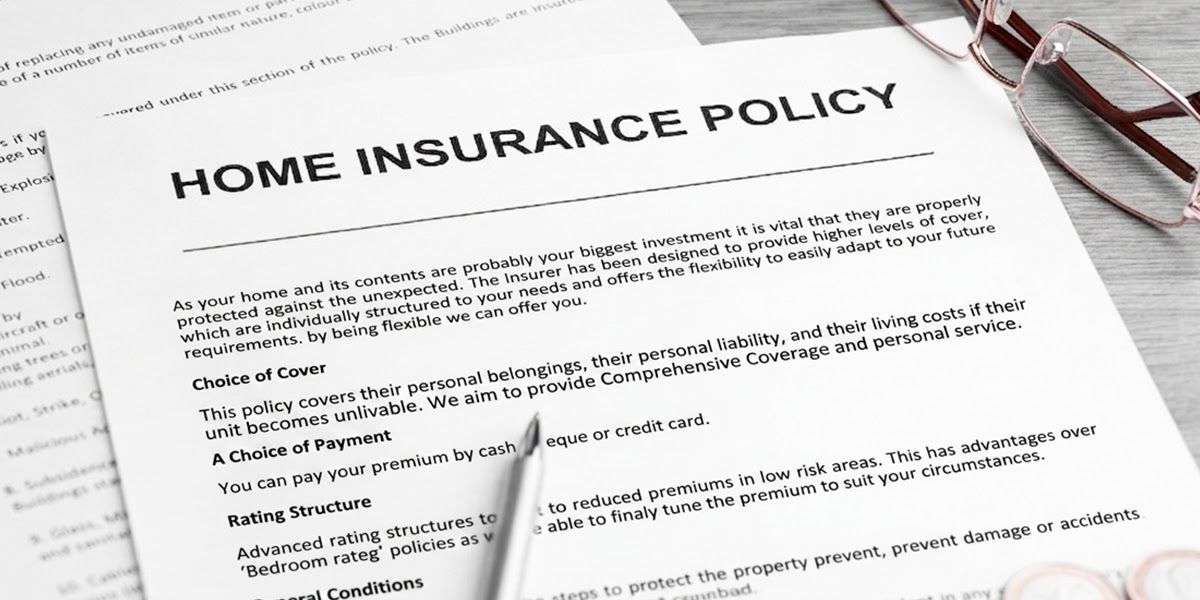
Most tenants think the landlord's insurance policy covers their furniture, electronics and personal belongings - which is a very natural conclusion to reach. A landlord's policy is built to protect the building and the owner's financial interests - and that's as far as it goes. A tenant's personal belongings are a whole separate matter - it's their own responsibility to get them covered. Plenty of tenants go quite a long time with no coverage at all, and by the time they do look into it, they've already been unprotected for years.
A tenant leaves the stove on, a kitchen fire starts, and their personal belongings get destroyed in the process. With renters insurance, their own policy covers those losses - and that's the end of it. Without one, that same tenant may start looking to the landlord for answers - and once that happens, the situation can get very messy very fast. Even a landlord who has done everything right can still find themselves in the middle of a property dispute that they had no part in causing - it's not a position anyone wants to be in.
For landlords in Levy County who want to stay away from that situation altogether, the simplest protection available is adding renters insurance directly into the lease.
Where a Standard Homeowner's Policy Falls Short
Most homeowner's policies are written with an owner-occupied home in mind, and the distinction matters. Once a tenant moves in, that coverage can start to break down - and the gaps it leaves behind can get very expensive.
It's one of the more common situations we see in Levy County. A family home gets converted into a rental, and the owner just carries the same homeowner's policy they've always had - without a second thought about it. The insurance company has a very different take on that.
Liability is one of the biggest gaps in a standard homeowner's policy. These policies weren't designed for rental use, so when a tenant or a guest gets hurt on the property, that claim might not be covered at all - and the landlord ends up personally responsible for any medical bills or legal costs.

Denied claims are a very real and painful part of this whole picture. If a tenant accidentally starts a fire or a pipe bursts and causes water damage, the insurer will look into that claim. The minute they find out that the home was tenant-occupied under the wrong type of policy, that claim gets denied - flat out.
Some insurers will take it a step further and void the entire policy. Every bit of protection that you thought you had just disappears at that point - even the coverage for the physical structure itself.
The fix is pretty easy. A landlord policy (sometimes called a dwelling fire policy) was built specifically for rental situations like this - it covers the structure itself, gives you liability protection as a landlord and reflects what the property actually is. A quick policy swap before a tenant moves in is all it takes to make sure that your investment is covered the way it should be when it matters most.
Coastal Risks That Push Your Premiums Higher
Levy County's Gulf Coast location puts rental properties in a pretty different category for insurance costs - and not in a great way. Cedar Key and Yankeetown each fall within the established storm surge zones, which tends to drive premiums noticeably higher for any landlord with a property in those areas. Landlord insurance rates in this part of Florida run quite a bit higher than in most other areas of the state. Hurricane exposure is a big reason why. A property that sits a long way from emergency services or repair crews could drive your premium higher on its own - and that's even before any storm-related hazards get added on top.
Before you settle on any policy, the biggest detail to know right from the start is that standard landlord insurance almost never covers flood damage. Storm surge, river overflow and heavy rain - none of it falls under a basic policy. It's a gap in coverage, and to fill it, you'll need to take out a separate flood policy, either through the National Flood Insurance Program or a private flood carrier.
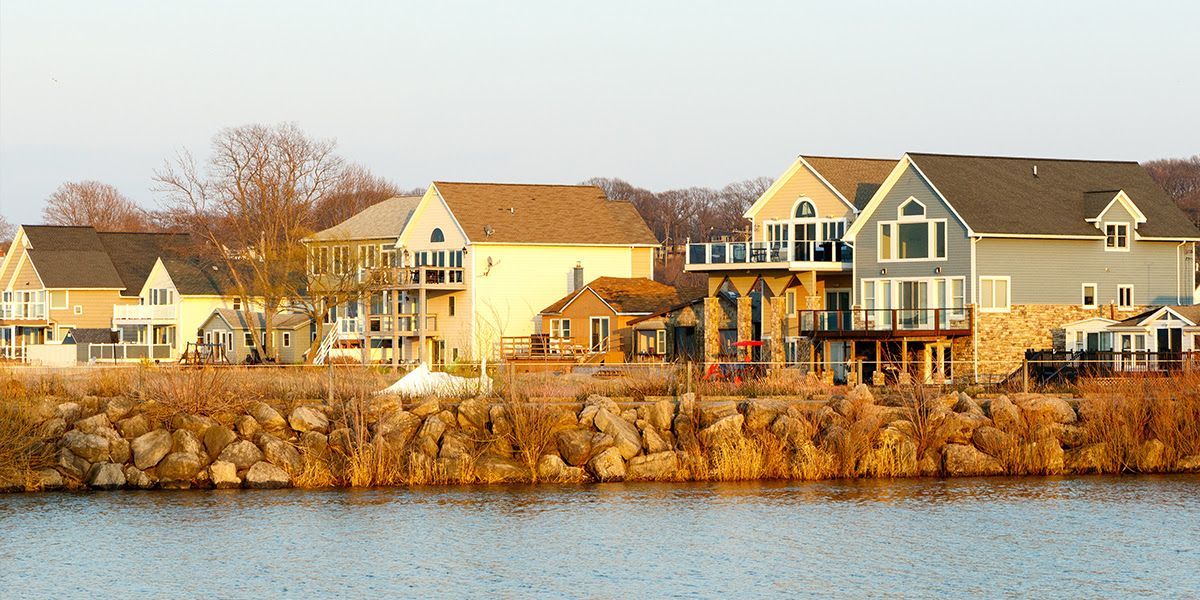
Cedar Key has a well-documented history with storm surge and coastal flooding, which makes going without flood coverage here a pretty bad idea. A dedicated flood policy on top of a standard landlord policy will usually be necessary in this area. The combined cost can add up quickly once you start pricing it out.
One more point worth mentioning - if a property sits vacant for any stretch, which is pretty common in coastal rental markets, some insurers will also ask for a vacancy endorsement on top of everything else - and every layer can add to the final price.
Should Your Lease Require Renters Insurance
Florida law doesn't actually require tenants to carry renters' insurance. But you're within your rights to make it a lease condition as a landlord - and it's worth it.
If a tenant accidentally starts a fire, causes a water leak, or a guest gets hurt on the property, the liability from any of that can easily become your problem - especially if that tenant has no coverage of their own. That gap is there if it isn't written into your lease.
A basic clause stating that the tenant has to carry a renters' insurance policy with a minimum coverage amount is all that you need. You'll also want to ask to be listed as an interested party on the policy - that way, you'll get notified directly if the coverage ever lapses or gets canceled.

It's much easier to work this into the lease before a tenant ever signs than to sort out who's responsible for what after something has already gone wrong. From a liability standpoint, it's one of the simplest protections that you can add to a lease - and it costs you nothing extra to ask for it.
Adding this to your lease agreements is a quick fix - and it's worth doing before your next tenant moves in.
Why Rent Loss Coverage Matters to You
A hurricane rips through Levy County and leaves your rental property unlivable. At that point, your tenants have no choice but to leave - and the rent stops with them. Repairs on storm damage like that can drag on for weeks or sometimes even months, and not a single check is coming in during any of it.
Loss of rent coverage is right where your landlord insurance starts doing its job. Plenty of policies include it, and what it does is easy enough to follow - when a covered event forces your tenants out, your insurance pays you the rental income that you would have been bringing in. That gap in your monthly cash flow doesn't have to come out of your own pocket.
To put a number on what that gap could look like - a bad storm rolls in, does enough damage to make the unit unsafe to live in - and now the property just sits empty as the mortgage payments still come due month after month. Two or three months without that rental income pile up fast, and plenty of landlords in this area just can't absorb a loss like that.
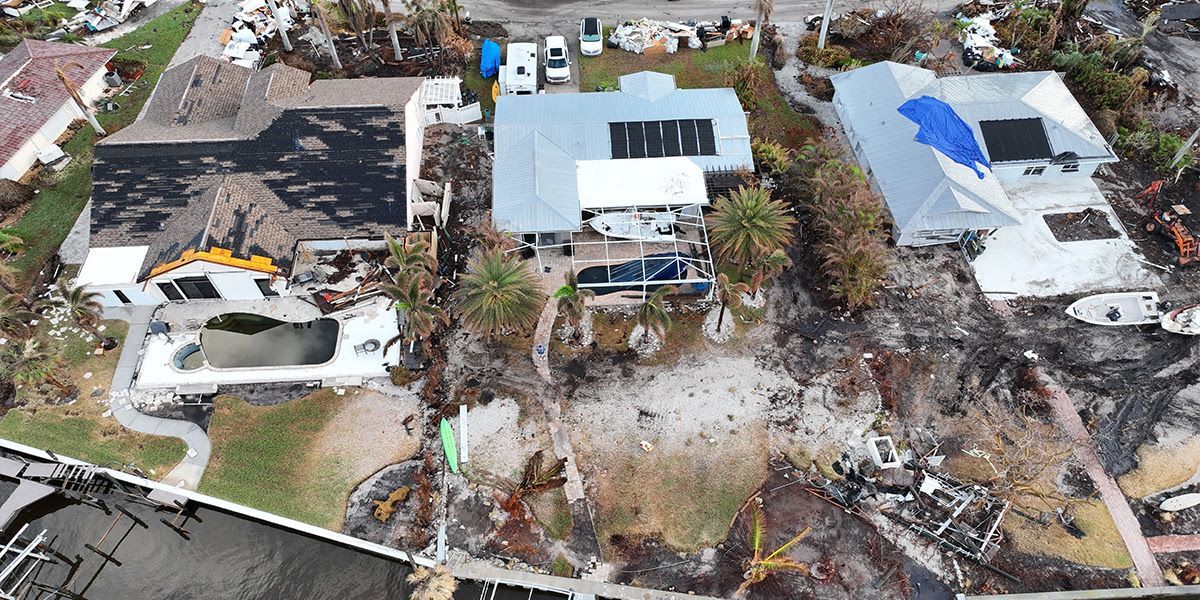
Landlords in Levy County don't have to picture the worst-case storm scenario - it happens here on a fairly steady basis. The area sees heavy storm activity every season, and rental properties in Levy County are exposed to a serious level of weather threat. A flood, a hurricane or just a bad windstorm can take a unit right out of commission for weeks at a time. Without coverage for lost rental income, that gap stops being just an inconvenience and starts being a financial problem.
From what I see, loss of rent coverage is what helps landlords stay financially stable after a big loss like that. A policy that replaces your lost income during a covered event is one of the better moves that you can make as a rental property owner in this area.
What Levy County Property Owners Need to Know
More than anything else to take from this, the right coverage is what makes every tomorrow feel a whole lot less uncertain. A great place to start is to pull out your landlord policy and read it at least once every year. Your property's value changes, the local market changes and even your insurer's terms can slowly evolve over time - so an annual review is the only way to check that the policy that you pay for still matches your situation. Skipping that step tends to be an expensive oversight the first time a big claim comes along.
While you have that policy in front of you, flip to the flood exclusions and read through them too. Levy County has plenty of properties that sit in or near areas that flood, and a standard landlord policy won't cover flood damage at all. A separate flood policy is usually worth the added cost to close that gap.

A renters insurance clause is one of the easiest provisions a landlord can add to a lease - it puts the responsibility for a tenant's personal belongings right where it belongs (on the tenant). Without that clause in place, a tenant who has had a loss might reasonably look to you for answers and maybe even for some form of compensation. A single line in your lease can head off those kinds of conversations before they ever happen.
A useful mental exercise at this point is to think through what would happen if a storm hit your rental tomorrow - what your policy would actually cover, what would fall through the cracks and who would be responsible for it. If those questions are hard to answer off the top of your head, that's a pretty strong signal to call your insurance agent and work through it all together.
Let Us Handle the Details
Landlord insurance is the coverage that's easy to put off - right up until something goes wrong and you see how much was riding on it. Landlord and renters insurance each cover very different areas, and in a place like Levy County, where coastal weather can move fast and hit hard, it does take both policies together to feel confident that you and your tenants are protected when it counts.
Once you have that laid out, the whole picture gets much simpler. Your responsibilities fall on one side, and your tenants' fall on the other. Far fewer gray areas tend to surface when something comes up. It's worth every minute it takes to get to that level of understanding - and once you're there, you'll probably wonder why you didn't sort it out sooner.

Pepine Property Management is here to protect your rental property and make sure that everything runs the way it should. We work with property owners throughout North Central Florida, and we manage all the day-to-day tasks (tenant screening, lease coordination, maintenance and financial reporting), so your rental property can actually become the investment that it was always supposed to be. You won't be left on your own with those questions when you have the right team in place - especially when insurance situations come up, and you need an answer.
Ready to get some of that off your plate? Get in touch with Pepine Property Management and ask us about a free rental analysis. We'd love to show you what a difference professional management can make for your property.
Share this post