
Squatter vs Trespasser Rights in North-Central Florida

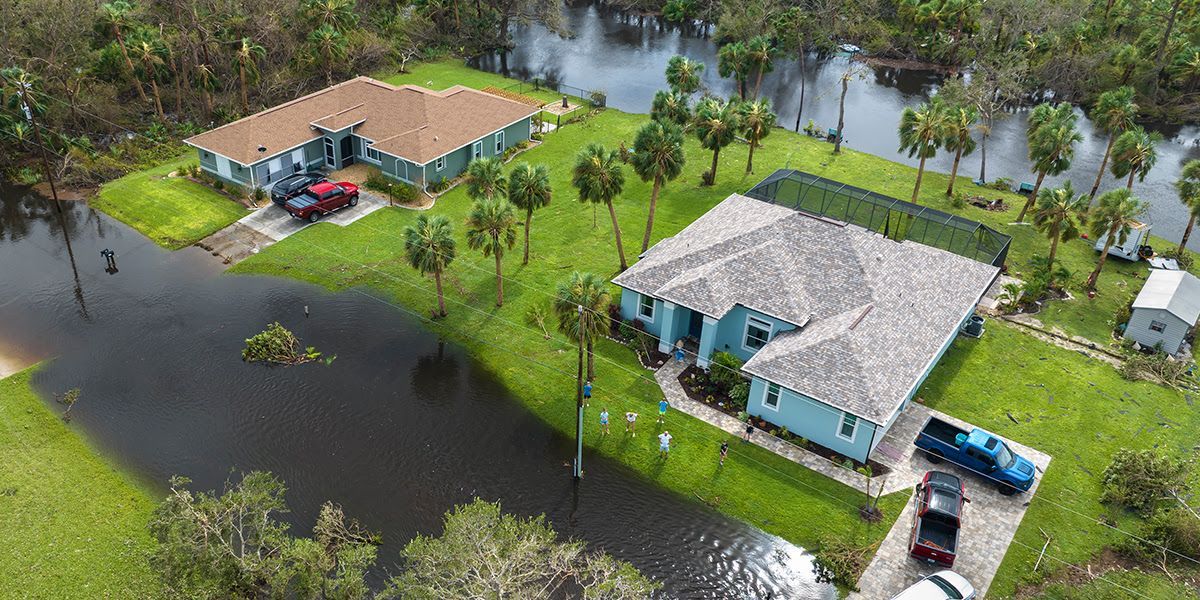
North-Central Florida has its own set of complications. Counties like Marion, Alachua, and Columbia are covered in wide stretches of vacant rural and agricultural land - the kind that the owners sometimes don't set foot on for months at a time. Inherited parcels, investment acreage and storm-damaged homes - properties like these can go unattended long enough for somebody to move in, get comfortable and build up enough of a legal presence that law enforcement can't step in and remove them on their own.
Florida has made progress here. The 2024 legislation was a genuine win for property owners - it created faster removal options and actually attached criminal penalties to the unlawful occupancy. That was a long time coming! Even with those updates, the law still draws firm lines between different types of unwanted presence on your property, and those lines aren't always easy to make sense of without a little bit of background knowledge. Property owners who don't know where those lines fall can find themselves in a much longer and more expensive legal fight than they had ever planned for.
That's where early preparation starts to pay off. A property dispute that gets resolved before an occupant has had a chance to build a legal foothold will usually be faster and cheaper to work through. Landowners who already know how the law works (before anyone has a chance to test it) are in the strongest position possible.
Below are the main differences, so you can see where you stand.
Trespassers Can Be Removed on the Spot
A trespasser in Florida is anyone who enters or stays on your property without permission - it doesn't matter if they've been there before, if they assumed it was fine or if they'd spent quite a bit of time there. No prior relationship, no implied consent and no amount of time changes their legal status. If permission was never given, the law treats them as a trespasser - full stop.
For property owners, this is actually the easier of the two situations to work with. Law enforcement can step in and remove a trespasser immediately - there's no legal gray area that needs to be worked through first. There are no court filings, no delays and no long process. A single call to the authorities is all that it takes. Compared to most landlord-tenant disputes, that's quite a difference in how fast it gets resolved.
Visible "No Trespassing" signs are one of the easiest and most affordable steps that you can take to strengthen your legal position here. A few well-placed signs make it a whole lot harder for anyone to claim they didn't know they weren't welcome, and they give law enforcement a much firmer basis to get involved when it matters. For something that matters this much, it's a very low-cost layer of protection.
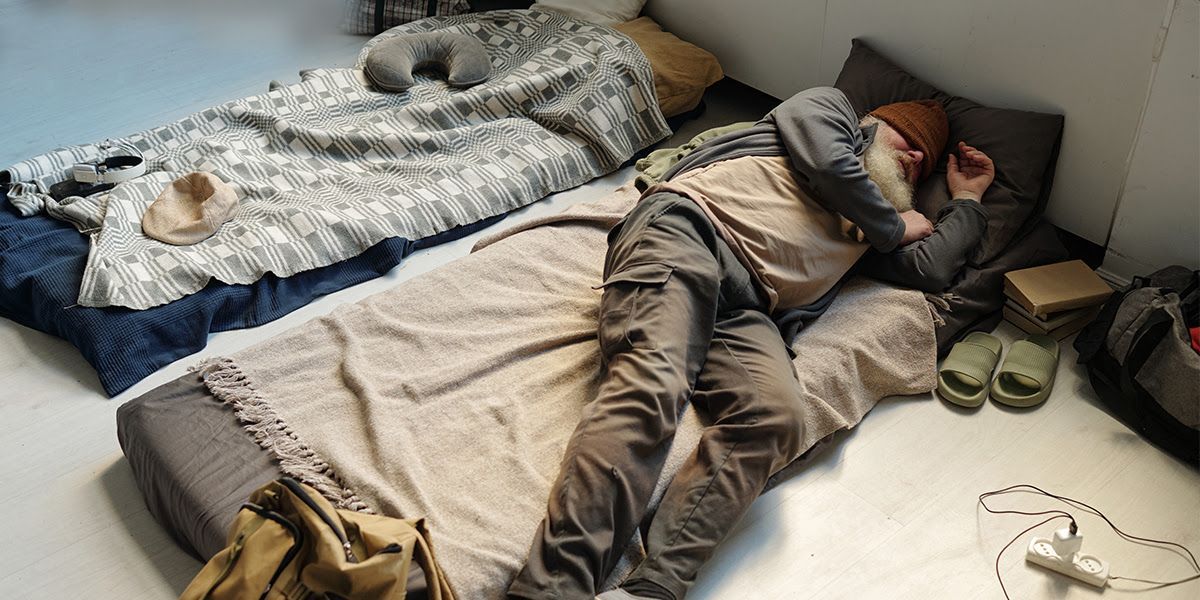
Not every trespasser out there has bad intentions - it's worth remembering. Plenty of them are in very desperate situations with nowhere else to go. Some of them just need a safe place to sleep for a night, or somewhere they feel a little less vulnerable. None of that changes your rights as a property owner - not even slightly. Even so, it's worth keeping in mind before you reach for the phone. A little compassion in how you manage it can mean quite a bit - even when the law is on your side.
How a Squatter Can Get Legal Rights
Trespassers and squatters are two very different problems. What sets them apart is how long the person has been on the property and whether it looks like they've actually settled in and made it into their home. Once a person has moved in furniture, established mail delivery there or has been on the land for a while, law enforcement might not be able to just remove them right then and there. That distinction matters quite a bit for how you respond, and it can affect how fast you're able to get your property back.

That's where property owners run into problems. A call to the police is usually all that it takes to remove a trespasser. But once a person has established residency on your property, that might not be enough. Florida law tends to view that situation less as a criminal matter and more as a landlord-tenant dispute - and those two situations lead down very different paths. The timeline alone can create serious headaches for property owners.
This is rooted in how the Florida courts have interpreted the concept of "actual possession" for a long time. If a person has openly lived at a property (and has done so without interruption), they can gain rights that a quick police call won't be able to undo - even without a lease or any formal agreement in place. At that point, the property owner is left with no other choice but to go through a full eviction process to get them out. The process takes time, and it has to be done correctly to hold up in court.
What HB 621 Did for Property Owners
Governor DeSantis signed HB 621 into law, and it was a genuine win for property owners all across Florida. The law introduced a new affidavit process that lets owners work directly with local law enforcement to get squatters removed - and in most cases, it can all happen without ever needing a full court eviction.
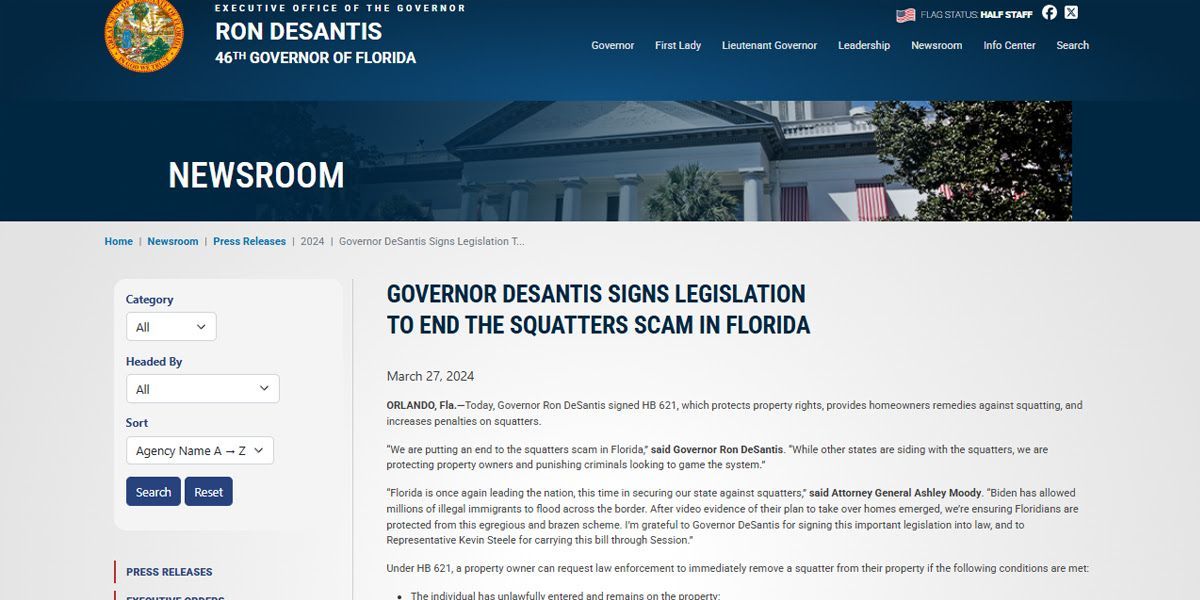
For anyone who dealt with the old process before HB 621, this was a welcome change. Back then, the standard eviction path was about the only option available to property owners, and it could drag on for weeks (sometimes even months) before anything got resolved. A wait like that's a genuine problem when somebody is living on your property without any legal right to be there.
HB 621 is a law. But it doesn't resolve every situation on its own. Law enforcement still has a process to follow, and a squatter who feels that the removal wasn't handled correctly does have the right to challenge it in court. The process can still drag out, so your expectations should stay in check even when the law is on your side.
HB 621 is also still a fairly new law, which means there aren't that many cases that have actually made it through the system yet, and each agency tends to treat situations like this a little differently. There's always a gap between what a law says on paper and how it gets enforced.
Adverse possession is another legal concept worth learning about - it's a separate one that spans a much longer timeline and has its own set of complications for property owners. We'll get into that next.
The Seven Year Rule and How It Works
Florida Statute 95.18 is the law that makes squatter claims possible in this state. Under it, a person can go after legal ownership of a property after seven straight years of living there, and they have to pay the property taxes on it for every one of those years.
That tax condition is what makes Florida quite different from most other states. A person only needs to occupy a property to get an adverse possession claim off the ground in some states. Florida layers a financial obligation on top of that, and a squatter has to put real money into the property by paying taxes on it. That alone pushes the bar considerably higher.
Seven years can slip by on a rural property that doesn't get visits - time has a way of passing quietly. For landowners in North-Central Florida with parcels that go weeks or months without anyone setting foot on them, that's a concern worth taking seriously. A person who moves onto your land and pays the property taxes year after year is actively building a legal claim against you - and it doesn't matter whether you know about it or not.

The tax side of property ownership is one of the easier details to lose track of. County tax records are public documents, which means anyone (even a total stranger) can walk in and pay the taxes on a parcel that they don't own. No system exists to flag this for you, and no automatic alert goes out when somebody else starts covering your bill. Without a steady eye on your property records, that's the gap that can quietly work against you.
The seven-year clock doesn't need a dramatic move-in to start. A quiet presence on an unmonitored parcel is usually all it takes. The best way to protect yourself is to keep tabs on who's on your property and who's paying your taxes, because in Florida, those two factors together are what actually make a claim stick.
Remote Land Here Comes With Real Risk
North-Central Florida has plenty of land that just sits there - wide stretches of forest and farmland spread across counties like Marion, Alachua and Columbia that no one walks through for months at a time. Remote acreage like that's usually where squatter situations get their start.
Whether it was land that you inherited from a relative or a rural parcel that you picked up as an investment when the price was right, life got busy, and the property slowly worked its way down the list. It's not hard to let months or years go by and never make the drive out to walk your property line, especially when nothing in your day-to-day life would push you for it.
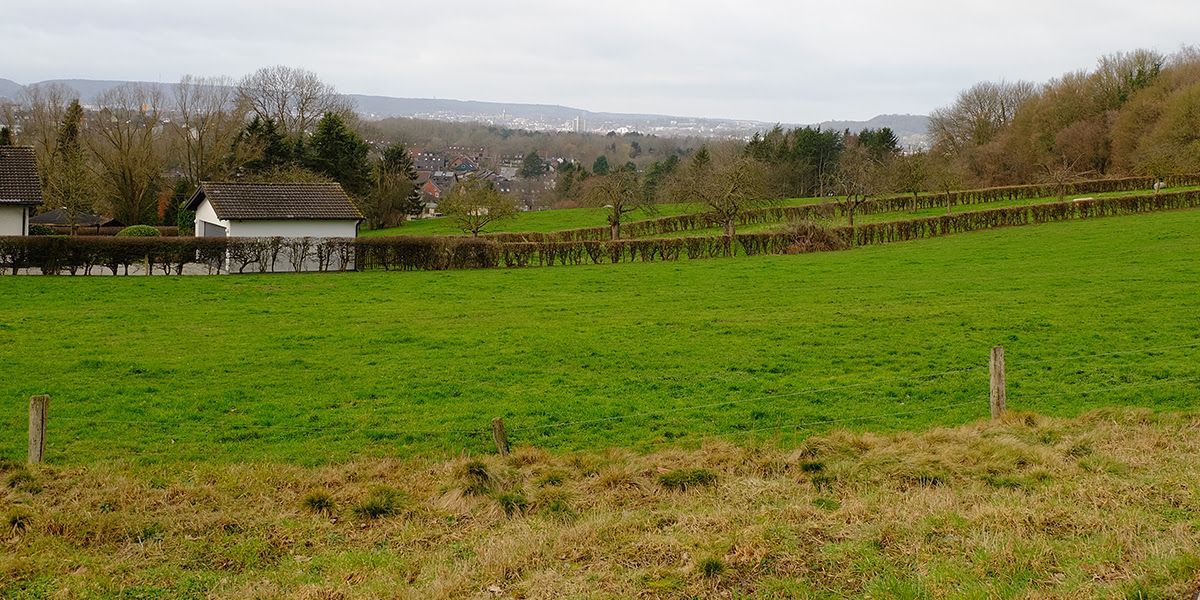
Absentee ownership is extremely common in this part of Florida, and it's probably the most frustrating part of what I do. Plenty of rural landowners have acreage that they never plan to build on, and some of them haven't even seen it in years. That distance (between where you live and where your land actually is) is what gives a squatter the time and space to get established. That window is what counts because Florida's adverse possession law is built to reward it.
With so much of this region covered in forest and farmland, unauthorized use is just hard to catch. A person can put up a small structure or take over a corner of your property, and it may never be visible from the road. And once someone is settled in, weeks (or months) can pass before a neighbor happens to mention something or you finally make it out there yourself.
And by the time anyone with legal standing figures out what's going on, they'll have had more than enough time to settle in.
Simple Steps to Keep Your Property Safe
Property owners have a lot of say in how this plays out. A handful of steady habits can make it much harder for anyone to get a legal foothold on your land - and none of it takes a lawyer or a big commitment.
A place to start is with steady visits to your property. You're more likely to spot unauthorized activity early with a set walk-through schedule, before it gets a chance to turn into a legal problem. The longer they stay on your land without any pushback, the harder it gets to remove them - and that's true even with Florida's HB 621 in place to help move the process along.
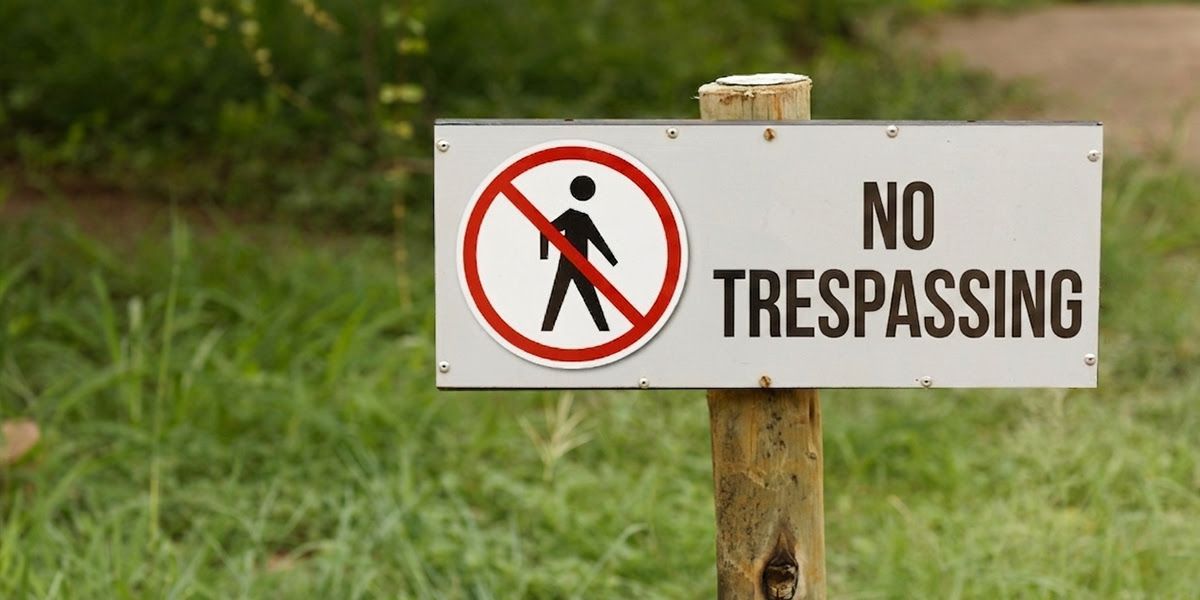
"No Trespassing" signs are one of the simplest and most effective steps that you can take. A posted sign shows that you have active ownership and removes any argument that anyone didn't know the land was private. Add a locked gate or a secured entry point on top of that, and you've already cut the window of opportunity down considerably.
On the paperwork side, your ownership documents need to be somewhere that you can get to quickly. If a situation ever comes up where you have to move fast, you don't want to be buried in a filing cabinet trying to track down a deed or title record. Your property tax records are worth a quick review every now and then as well - just to make sure everything is still up to date and still under your name as the rightful owner. It's a small detail, but it does matter when the time comes.
None of this has to be a big production. A few small steps at different points throughout the year can do quite a bit to protect what's yours. The whole point is to stay visible and keep your information up to date - that way, if something does come up, you're already in a decent position to manage it.
How a Property Manager Keeps You Protected
Most property owners go the DIY way for as long as possible, and to be fair, it does the job well enough - until it doesn't, and by the time a squatter situation has turned into a legal mess, the damage is already done. At that point, your options are limited, and none of them are cheap.
A property manager works to stop these problems before they ever have a chance to start. Every applicant goes through a full background check that filters out anyone with a history of lease violations or unauthorized occupancy. And on top of the paperwork, your property gets standard in-person visits.

Vacant properties are where most of the problems like to build up - an unmonitored lot or an empty home is practically an open invitation to move in without permission. A property manager tracks what's going on at your property - even if you have no way of being there yourself.
For owners who live a long way from their North-Central Florida rental or who have multiple units to manage, reliable local oversight is what keeps a portfolio well-managed - and out of legal trouble. In my experience, the owners who face the worst squatter problems are nearly always the ones who manage everything remotely with no one checking on the property in person.
Let Us Handle the Details
Florida has come a long way over the past few years and now has given property owners faster and more reliable tools to protect what's theirs. The law is more on your side now than it was even a few years ago, and for landlords who have had to work with unauthorized occupancy before, that's not a small detail - it's a worthwhile change.
At the end of the day, the best possible outcome is one where none of this ever has to come up at all. Standard site visits, posted notices, well-kept records and at least some level of professional oversight will do far more for you than any legal remedy could - even the most streamlined ones. Prevention is a much better investment of your time and energy than damage control, and any landlord who has been through it will be quick to tell you the same.

That day-to-day attention is what Pepine Property Management was built for. We help owners stay protected, well-educated and a few steps ahead of small problems before they ever get a chance to turn into bigger ones. From a single rental home to a full portfolio spread across the region - in either case, we bring the personal care that keeps your investment where it should be.
Get in touch with Pepine Property Management to find out how we can help. Property ownership should feel like an accomplishment worth celebrating - not something that keeps you up at night.
Share this post