
Do Gainesville Landlords Need a Rental License?

A rental property in Gainesville comes with quite a bit of paperwork and responsibility. Between tenant management, maintenance calls and financial tracking, there's always something competing for your attention - and somewhere in the middle of all that, the question of whether you even need a rental license or permit can get pushed to the back burner. For plenty of landlords, a letter from the city is what eventually brings it back to the front.
Gainesville's permit and registration world has changed quite a bit over the last few years. Florida state law stepped in to cap what cities are allowed to regulate, and Gainesville's own program has been through some fee changes and even a partial suspension along the way. The difference between being "registered," "permitted," and "licensed" is pretty hard to untangle for plenty of property owners. The jurisdiction piece gives you another layer - a landlord with a Gainesville mailing address might not fall under city code at all. But a neighbor just a few blocks away could. Your exact address is what determines it.
That can all pile up pretty fast when you're in the thick of it. A missed registration or a late inspection can lead to fines and code enforcement action that ends up costing far more than the permit fee ever would have. Aside from the money side of it, a landlord who stays current with local and state laws shows their tenants that whoever is running the property actually cares about doing it right. That professionalism protects each side of the lease.
Let's find out what Gainesville landlords need to know about rental licenses!
Rental License and Registration Are Not the Same
Rental license, permit and registration - these three terms get used interchangeably, and it's not hard to see why. In day-to-day conversation, the language does blur together. But in Gainesville, each one actually refers to something a little different. Most landlords lump them together, which is understandable.
Gainesville runs what it officially calls the Rental Housing Program. It's not a traditional license, and it's not a one-time construction permit either. It's a registration system that the city uses to track all rental properties and make sure that landlords are meeting local housing standards.

The mix-up usually starts with the word "license." It floats around loosely in conversation, so when a landlord hears they need a "rental license," they go looking for that exact phrase - and come up short. What they're after is the Rental Housing Program and its registration process.
The best place to start is the City of Gainesville's official Rental Housing Program page - read the language for yourself instead of relying on anyone else's interpretation of it. The city covers what registration calls for, what the inspection process looks like and what responsibilities fall on the landlord. A primary source is always going to be more reliable than a secondhand summary. Also worth keeping in mind is that just owning a rental property in Gainesville doesn't automatically mean you're in compliance. Registration is its own separate step that needs its own attention. And whether it even applies to your property at all can depend on where it's located, which is a detail worth checking into on its own.
Is Your Property Inside Gainesville City Limits
A Gainesville mailing address doesn't automatically mean your property falls under the City of Gainesville's authority - it's something plenty of property owners never think about until it's already causing problems. Lots of properties with Gainesville mailing addresses are located in unincorporated Alachua County, which is a separate jurisdiction with its own laws and registration process.
The city and the county each run their own rental registration programs, and the two have nothing to do with each other. A mix-up here can go in one of two ways - either you miss a registration that your property actually needed, or you're buried in paperwork that was never meant for your property. Neither one is worth your time when you're already in the middle of working through the rental compliance process.

Thankfully, this part is pretty easy to check before you get too far along. The Alachua County Property Appraiser's website has a map tool where you can search your property and see how it's classified. Your property records are on that same site as well, and the jurisdiction will be listed right there. Either one of them works - just go with whichever option is more convenient.
It's the best first move on the list, and it's worth doing before anything else. Once you have confirmation on this, everything else gets more manageable. Registration deadlines, the documents that you'll need, fees, inspections - all of that can depend on this one detail. From there, you're working with accurate information instead of an assumption that could pull you in the wrong direction fast.
Register Your Rental Property with the City
From there, all you do is fill out the registration form and pay the fee. The city handles this through an online portal, and it's pretty easy to get through once you spend a few minutes with it. First-time landlords will sometimes find that government websites are a little annoying to work through - it's a fair reaction. The process itself is not all that involved, so you'll get through it without too much issue.
One of the most common registration mistakes is that landlords sit down without all their documents nearby. Go ahead and pull out your property records and ownership documents, and even open the form and have them close by. Missing something when you get to a field could mean you have to start over.
The City of Gainesville's official website will be your best resource for the most up-to-date registration form and fee schedule. These do get updated every now and then, so you want to make sure that you're pulling from the right source. A quick search for "Gainesville Rental Housing Program" will take you right there. You might also want to bookmark that page so you'll find it again later.
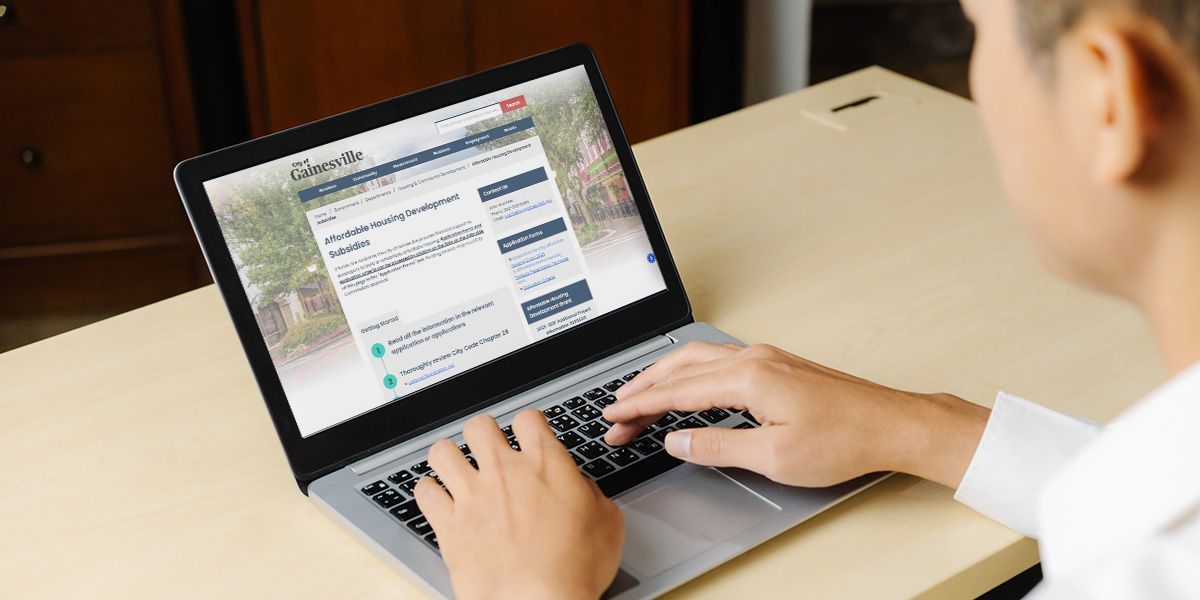
After the city processes your registration, they'll send you a confirmation, so hold onto that. From day one, file it right alongside the copies of everything else that you submitted, all in one place. When the time comes to renew or if any questions come up, you'll be happy that you kept everything together.
What the City Checks in a Rental Home
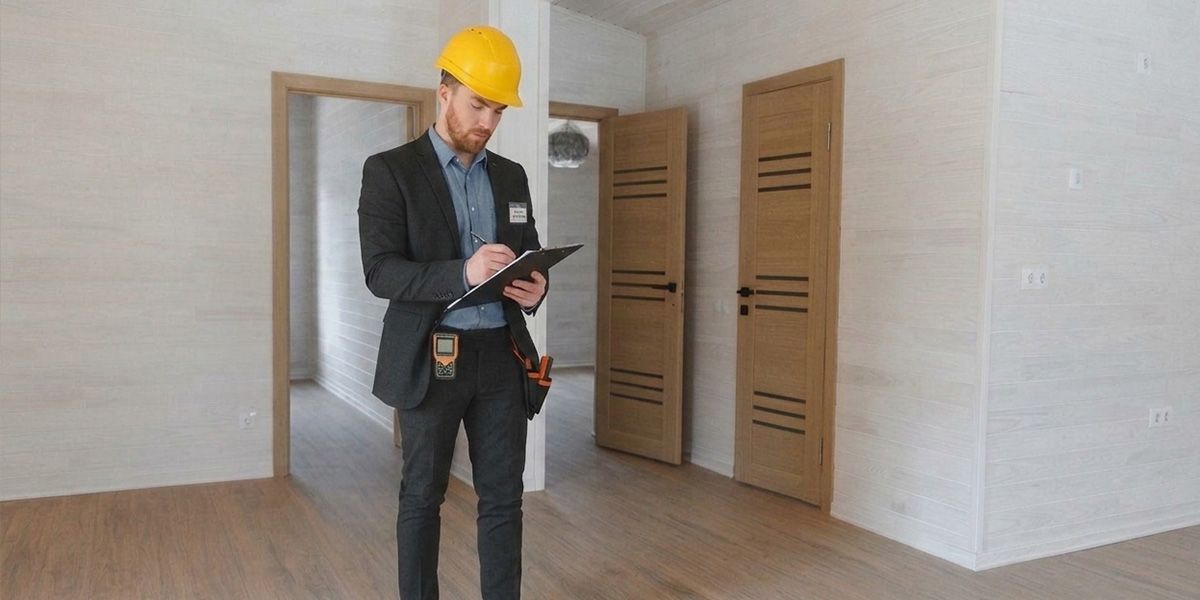
Once your rental is registered with the city, inspectors will come out to your property every now and then. You can look up just what an inspector will check for well before anyone shows up at your door, since most cities publish their housing standards online. When you know what they're looking at, you'll be prepared for most of what comes up on the day. A little prep work before the inspection goes a long way.
The small details are usually what get landlords into hot water - not the big repairs. It's the little items that have been sitting on the to-do list for months. A smoke detector with a dead battery, a loose outlet cover, a light fixture that flickers. None of these feels urgent on its own, and yet they're the very items inspectors love to flag. It's helpful to walk through the unit yourself a week or two out, just to see it the way an inspector would. A handful of minor fixes ahead of the inspection is a much better use of your time compared to what you'd face with a formal violation list after the fact.
The liability side of this deserves a bit of attention, too. A rental that meets the city's safety standards protects your tenants, and it protects you just as much. When something goes wrong inside a property with known hazards, a landlord's legal exposure can get ugly very fast, and those inspection records on file are one of the better ways to show that you're running a responsible operation. A paper trail matters, and it's not hard to put one together.
The minute you hold off until the city schedules a visit to check out your property, you've already put yourself in a position that you didn't have to be in.
Florida State Laws That Override Local Rules
Florida tends to pull back on local authority over rental laws - cities and counties can only do so much before the state gets involved. Even if Gainesville manages to pass something at the local level, the state has every right to override or water down those laws at any point.
The push and pull between state and local government creates a legitimately confusing situation for landlords. A city law can be solidly in place one year and struck down the next when a new law comes out of Tallahassee. Most landlords who look for answers online find conflicting information for just this reason - it's not their fault.

What applied to Gainesville landlords a few years ago might not be what's on the books today. Florida legislators have made a few moves over the past few years to limit local governments' ability to add extra layers of rental regulation on top of state law, and those changes matter. A quick search for Florida preemption laws related to rental housing is a great place to start. From what I've seen, it tends to answer most of the questions all at once.
Another benefit of this research is that it helps landlords sort out which of the local laws actually carry any weight - and which ones might not be enforceable anymore. The boundary between city and state authority moves around frequently, and those changes don't always make the news.
Landlords who track these changes are in a much better place to make decisions about how they run their properties. A regulation that was valid last year might already be gone - and a new one may have come into effect to replace it without much fanfare at all.
The Real Cost of Not Registering Your Rental
Rental property registration is easy to put off - it's just another bit of paperwork. Gainesville doesn't quite see it that way, though. The city takes its code enforcement seriously, and landlords who aren't registered are setting themselves up for fines that add up quickly.
The city can issue citations whenever it wants, and each one gets added to your total. One complaint from one tenant is all it takes to land an inspector at your door - and from that point, the whole process tends to move pretty fast and almost never in your favor.
On top of the financial hit, your reputation with the city is also on the line. The rental community is fairly small, and word gets around. A history of unregistered properties will make it much harder to bring in the tenants that you actually want.

The registration fee in Gainesville is pretty minor when you weigh what's at stake. The financial and legal exposure if you skip it is a very different matter. Plenty of landlords don't see how aggressive enforcement can get until a complaint comes in and their property ends up under a microscope. At that point, the available options shrink fast - and the costs that follow climb well above what that registration fee ever would have been.
It just makes more sense to register from the start. It's a small one-time step that keeps you compliant, protects your investment and gets rid of a source of liability that was very avoidable.
Let Us Handle the Details
When the words "rental license" first came up in your search, the whole process probably looked pretty involved. The language alone can be a mess - city laws don't always line up with state laws, and the difference between being registered and being compliant can get a little blurry along the way. With any luck, this page made that path forward feel a bit more manageable. A landlord just needs to stay on top of it - matters like jurisdiction checks, registration, inspections and state-level updates. None of these steps is all that hard on its own - they just need your attention.
The real issue is the assumption that nothing will happen if you skip it. Fines, code enforcement records and the headache that comes from violations after the fact are all more disruptive than simply registering from the start. And a landlord who stays up to date on this actually sends a message to tenants - it tells them that you follow through on your obligations. Renters pick up on that, and it tends to bring in more reliable tenants without nearly as much issue. Not a bad deal for everyone with their name on the lease.

Pepine Property Management was built to take care of that. Our team works with landlords and residents all across North Central Florida - we cover everything from registration questions and maintenance to tenant relations and financial reporting, so you can get back to owning a rental property without it turning into a second job. Property owners can request a free rental analysis to see what their property could be earning with the right management team behind it. Residents in search of a great place to call home can check out our listings throughout the Gainesville area. Whichever side of that equation you're on, our team is always happy to answer your questions and help you work out the next right step - get in touch with Pepine Property Management whenever you're ready.
Share this post