
Security Deposit Limits in North-Central Florida

In North - Central Florida, you'll usually put down a pretty large chunk of money before you've even spent a single night in your new place. The landlord collects the funds, both parties sign the lease, and from that point on, the general assumption (on both sides) is that the money will eventually come back to the tenant when it's time to move on.
That expectation doesn't always hold up at move-out. Damage disputes, missed return deadlines and deductions that look made up - these are actual problems that cost tenants actual money. Landlords carry just as much risk on their end - it happens when the right notices get skipped, or the deposit isn't handled correctly from the very beginning.
Florida law is actually pretty straightforward on security deposits. While the state doesn't cap how much a landlord can collect up front, it does spell out how that money has to be held during the lease and how fast it needs to be returned once a tenant moves out. These are firm laws with actual penalties attached - not loose suggestions that are open to interpretation. Getting it wrong exposes you to consequences that can outweigh whatever you were trying to protect.
The best time to learn this is before any lease gets signed. Deposit disputes are one of the more frustrating (and expensive) situations a tenant or property owner can find themselves in, and the unfortunate part is that most of them don't have to happen at all. When both sides enter the process with a basic sense of how Florida deals with security deposits, that headache just doesn't materialize.
Let's talk about security deposits in North - Central Florida together!
Florida Has No Cap on Security Deposits
Most landlords across North Central Florida settle at one to two months' rent. With no law actually requiring it, that range has sort of just become the informal local standard around here.
Landlords and tenants who come to Florida from states like California or New York will find that deposits work pretty differently here. Those states cap their deposit amounts (sometimes as low as one month's rent), which makes Florida's open-ended policy quite an adjustment for anyone who has spent time under those kinds of limits before. It's worth learning about this ahead of time, because the difference is a meaningful one for anyone coming from those states.

College towns deserve their own category here. Gainesville is an example - rental demand near the University of Florida stays strong year after year, and when units are moving fast, landlords have more say in what they can ask for at signing. A deposit closer to two months' rent is fairly common in those markets, and plenty of landlords push it even higher than that. Properties near large universities tend to turn over on a predictable cycle. That steady demand gives owners real leverage when setting these terms.
For owners, a higher deposit is one of the better tools available (it can add an extra layer of financial protection without complicating the lease at all), and it also sets the tone with prospective tenants from the start. For tenants, my advice is to have a number in your head well before you tour properties. Move-in costs in Florida can run meaningfully higher than renters are used to when they come from states with stricter deposit limits.
Where Your Money Has to Be Kept
The deposit amount is only part of the picture. What actually happens to that money after you hand it over is a whole separate matter - and it's worth a look at how it works. Florida law gives landlords three different options for how they can hold a security deposit, and each one comes with its own set of conditions that are there to protect you as a tenant.
Landlords have three legal ways to hold a security deposit. The first is a non-interest-bearing bank account - one that has to be kept separate from the landlord's own personal funds. The second is an interest-bearing account, and with that option, 75% of whatever interest the account earns over the year goes directly back to you, the tenant. The third is a surety bond filed with the clerk of the circuit court.
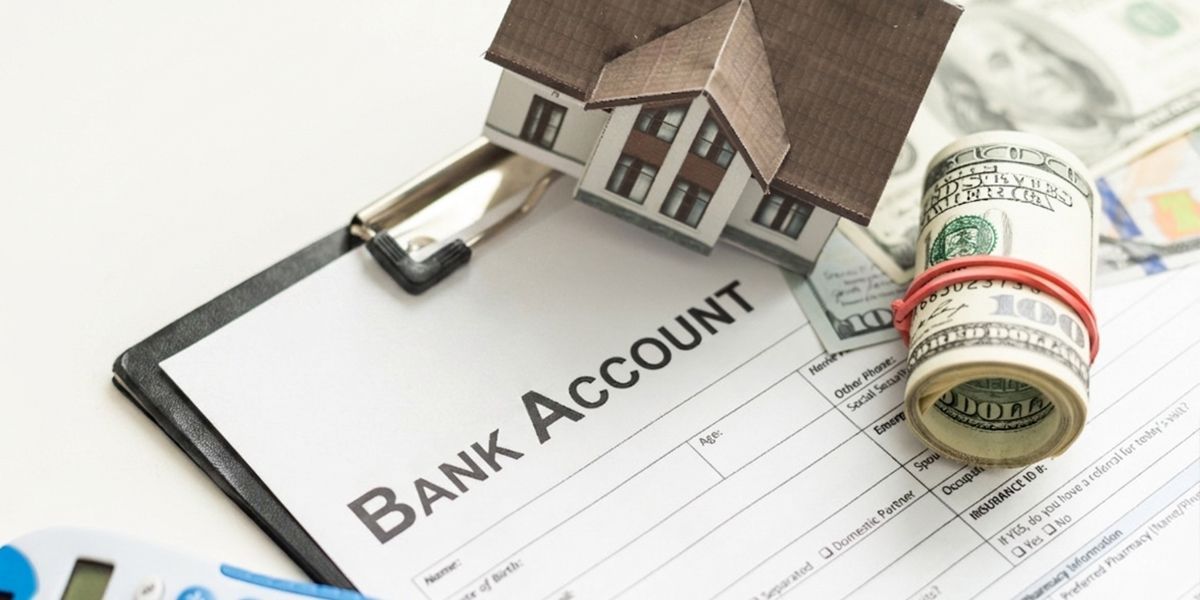
That third option is a little less familiar to most people, so it's worth a quick explanation. A surety bond is a financial guarantee put up by a third-party company, so your deposit gets an added layer of protection even if the landlord runs into financial difficulty at some point. It's not the most commonly used option out there. But it's legal and a fine way to go.
Your landlord has to let you know in writing which option they use to hold your deposit. That document also needs to include either the name and address of the bank or the full specifics of the bond. Go ahead and ask if you never received it - you have every right to know where your deposit is and how it's being held.
The Time Limit on Your Deposit Return
Florida law sets a firm timeline for how your security deposit is handled after you move out. With no deductions, the landlord has 15 days to return the full amount to you. If they plan to keep any portion of it, they have up to 30 days - but within that window they have to send you a written notice that breaks down what they're holding back and why.
Those deadlines carry real weight. Miss one as a landlord and you could lose the right to make any deductions at all - which means the full deposit has to come back to the tenant, regardless of what happened during the tenancy or what the unit looked like when they left.

Plenty of renters never even find out this protection exists - and it's one of the strongest protections a tenant can have on their side.
As a renter, the smartest move on move-out day is to put everything in writing from the very start. Get your move-out date on record and save every bit of correspondence you have with your landlord - emails, texts, letters, everything. Once that date is locked in, add the 15-day and 30-day marks to your calendar and actually keep an eye on them when they come around.
A walkthrough right before you hand over the keys is worth your time. Go room by room and photograph everything - walls, floors, fixtures, appliances. A photo record makes it much harder for a landlord to come back later with deductions that don't quite add up. The more you have on hand, the better your position will be if a dispute does come up over the deposit.
For renters in Gainesville and the surrounding areas, there are a few extra details worth knowing - and the next section will cover them.
What Keeps Rent So High Near Campus
The University of Florida brings tens of thousands of students into Gainesville every year, and the constant influx of new renters puts steady pressure on the local housing market. Landlords near campus are well aware that demand is high and units lease out fast, which gives them far more flexibility to write leases on their own terms, move-in costs and all.
That position carries real weight. A short leasing season with limited inventory puts pressure on students and their families - they want to secure a place before the decent options disappear, and many of them will agree to almost anything just to get a signed lease in hand.

First-time renters (especially students) hold real negotiating power in this part of the process, even if it doesn't feel that way. You have every right to ask questions, request a full rundown of any fees, or push back on a deposit amount that feels off. A landlord who asks for more than seems reasonable isn't automatically entitled to it, so keep this in mind before you sign anything.
Even in a high-demand rental market like the one around UF, Florida law still applies to every landlord in the area. Florida has firm rules around how deposits get held, how they need to be documented, and when they can be returned or kept. The state doesn't cap the deposit amount itself, which gives landlords some flexibility. But the laws around how that money is handled and returned are firm. Miss a step, and you could be looking at financial penalties.
As a renter, the law is solidly on your side, even without a hard dollar cap on what landlords can charge for a deposit. That alone puts you in a strong position for any lease conversation. Read through the fine print before you sign it.
Take Photos and Notes Before You Unpack
A new set of keys always comes with that fresh-start feeling - new space, new chapter, quite a bit to look forward to. Those first few minutes after you walk in count the most for protecting your deposit. Before a single box makes it through the door, walk the unit and record everything you see.
Grab your phone, go through every room and take timestamped photos and videos of everything. Get in close on the scratches in the floors, the carpet stains, any scuffs along the baseboards and any worn patches on the walls. The timestamp on each file is what actually makes it count - it's your dated proof that any damage was already there before you ever picked up the keys.

Don't skip the written move-in checklist - it counts just as much as your photos. Go through the unit line by line, write down every scratch or imperfection that you come across and get your landlord or property manager to sign off on it. With signatures from both sides on record, you have a shared document that everyone agreed to - and when a deposit dispute comes up, that checklist is what settles it.
Plenty of renters have lost some or all of their deposit over pre-existing damage they didn't cause. Without any records to back you up, it's just your word against your landlord's, and that's a tough place to be. Florida law does give tenants the right to dispute wrongful deductions. But the whole process goes much smoother when you have records on your side.
Carve out 20 or 30 minutes on move-in day and go through everything. Save your photos and checklist somewhere easy to find later. Most landlords like a tenant who takes this seriously - it works out for everyone. When move-out day rolls around with your deposit on the line, you'll be relieved you did.
Is Deposit Replacement Insurance a Good Deal?
Students and first-time renters gravitate toward this more than any other group. A new move already brings a long list of costs with it, and a full security deposit on top of the first month's rent is no small amount of money to pull together all at once. A smaller up-front payment is much easier to manage for anyone who's early in their financial life or working with a tighter budget.
With that said, it pays to be honest about what each option actually means for your wallet. A traditional deposit is still your money, and as long as you move out in decent shape, you get every dollar of it back. Deposit replacement insurance is a fee, and fees don't come back to you no matter how well you've cared for the place.

That trade-off deserves a look. The lower number at move-in is nice. But at the end of the lease, you leave with nothing returned to you. For a tenant who has the funds to cover a standard deposit up front, the traditional option usually ends up costing less over the full length of a lease.
Which option makes more sense for you can depend on where you are financially at this point. Deposit replacement insurance is a legitimate product that does make renting more accessible, and on the landlord side, it can also bring in a wider pool of qualified applicants. A lower up-front cost doesn't automatically make it the better deal - add up what it costs over time.
Let Us Handle the Details
Security deposits carry actual weight (financially and emotionally), yet many renters walk into their first lease with very little idea of how any of it works. Florida doesn't cap what a landlord can charge, which gives property owners actual flexibility on the front end. What the state does have are firm laws on where that money has to be held, how it needs to be communicated to the tenant and when it needs to be returned. Most of this gets much easier to manage once you know the rules, and they're in your favor as long as you follow them.
A walkthrough on move-in day, a paper trail of everything and a sense of your move-out deadlines will go a long way. Whether you're picking between a traditional deposit and a deposit replacement option (or just trying to see if what a landlord is asking for is fair), you'll be in a much better position once you know the laws. Florida renters have more protection available to them than you might give the state credit for.

Pepine Property Management exists to make the rental process easier for everyone involved - owners and renters alike. Owners get attentive management from a team they can count on, and renters get well-kept homes with a crew that actually answers the phone. Whether you're an owner who wants us to take care of it or a renter ready to find your next place, we'd love to help.
Check out our available Gainesville listings or just
get in touch with us directly - we'll find the right fit together.
Share this post