
Rent-by-the-Room Rules for Gainesville Student Housing

Gainesville has zoning limits on how many unrelated residents can share a home in some of its districts, and Florida landlord-tenant law sets the rules around security deposits and how much advance notice either side has to give - and those rules hold regardless of what the lease actually says. Either one can change the outcome of a rental arrangement, and plenty of renters sign a lease before they've looked into either one.
Skip that step and the cost is real. A landlord who buys a four-bedroom house expecting four paying tenants might not find out until much later that the limit is three - a rough way to run into a cash flow problem. A student who assumes that a per-room lease includes full access to the whole property could eventually read the agreement and find it says something very different.
Before anyone signs anything, a quick review of the local zoning ordinances, Chapter 83 of the Florida Statutes and every clause in the lease is time well spent. For landlords, that prep work protects the investment. For tenants, it protects their living situation. For both sides, a little extra effort up front is what separates a smooth rental experience from a stressful one.
Now let's go through Gainesville's rent-by-the-room rules so you can rent with confidence!
How a Room-by-Room Lease Works
A room-by-room lease is exactly what it sounds like (you sign for one bedroom in a shared house, not for the whole property), and each tenant has their own separate agreement directly with the landlord. That also means your financial responsibility is tied only to your room - if a roommate falls behind on rent, it does not affect your lease or your standing with the landlord.
For students near the University of Florida, this setup has quite a bit going for it. There's no need to round up a full group - each room gets filled on the landlord's own timeline, which means your housemates may already be settled in when you arrive, or they might still be on their way. It also tends to make the move-in process a little less stressful because you're not waiting on anyone else to get the keys.

Most renters read through their lease with an eye toward what they're allowed to do. But that's only half the picture. Your agreement gives you the right to your bedroom and access to the shared spaces. What it does not give you is any say over who else rents a room in that house or how the landlord manages the rest of the property. Renters often come in expecting to have more control over the household than they actually do. That difference between expectation and reality tends to create friction with roommates and the landlord over time. The more you understand what your lease covers and what it does not, the easier it is to set the right expectations from the start.
How Many Unrelated People Can Share a Home
Gainesville has zoning laws that put a hard cap on how many unrelated tenants can share a home, and in some residential zones, that limit drops as low as three. A four-bedroom house, in other words, doesn't always translate to four paying tenants.
For landlords, it's the sort of situation that can sneak up on you and derail a buy that looked like a sure bet on paper. A landlord who picks up a four-bedroom rental and never confirms the zoning could find themselves with a bedroom that just can't be legally occupied or rented out. At that point, the fourth bedroom stops being a revenue source and turns into a liability - and once the deal is closed, there's no clean way to undo it.

Gainesville has its own definition of what counts as a "family" for zoning purposes. That definition shapes what you're allowed to do with a property. The restrictions around unrelated occupants have also changed a few times over the years, so something that was perfectly fine a while back might not be anymore. Before any decisions get made about occupancy, a quick call to the city to confirm the limits as they stand is well worth your time.
Whether you're a landlord sizing up a property that you're thinking of buying or a tenant about to put your name on a lease, it's worth keeping in mind. Zoning classification is the sort of detail that's easy to skip over - until it turns into a headache. Most city zoning maps are publicly accessible and free to use, so a quick check can tell you quite a bit about what a property will actually support for occupancy.
Zoning is one of the first steps to sort out before any of the other plans get too far along - and it's also one of the easier ones.
The Lease Type and Your Financial Safety
A shared house rental has one detail that deserves close attention before you sign anything - the lease structure. Landlords usually set these arrangements up in one of two ways, and which type you agree to can affect your financial safety.
A separate lease makes each tenant responsible for their own room and their own rent - nothing more, nothing less. If a roommate stops paying, it stays their problem to deal with - not yours. For student rentals especially, this setup is a relief, because one person's financial struggles don't have to become everyone else's headache.
With a joint lease, if one roommate stops paying or packs up and leaves early, the rest of them may have to cover whatever's missing - it's a lot of financial trust to place in someone you've only known for a few months.

From a landlord's perspective, joint leases are easier to manage - one agreement, one payment, and much less going back and forth. Separate leases do take a bit more legwork since you have to coordinate multiple agreements across multiple tenants. Neither one is the wrong call, though - a lot of it can depend on the situation and how much financial uncertainty everyone involved is comfortable with.
One mistake I see is when students sign a room rental agreement without ever actually reading through it and just assume they already know what they agreed to. Even a basic agreement can still leave you responsible financially for what your roommates do or don't pay. If your name goes on anything, read it closely and know what you're agreeing to.
Florida Law Still Covers Your Rental
Florida law doesn't make exceptions for rent-by-the-room properties - every lease in the state falls under the same legal umbrella. Chapter 83 of the Florida Statutes covers the core standards that landlords and tenants are expected to follow, no matter how the rent gets divided up. As a property manager, you'll have to know these details well.
Security deposits are, without question, the number one place where landlords run into problems. The law gives you 15 days to return a deposit in full, or 30 days to let the tenant know in writing if you're planning any deductions. That deadline doesn't bend - it applies to a per-room lease just the same as any other rental agreement. Miss that window, and you could forfeit your right to hold onto any of it.

Maintenance responsibilities don't change just because the lease structure does. The landlord still has to keep the home in livable condition - full stop. A broken heater or a plumbing problem that gets ignored doesn't suddenly become the tenant's responsibility just because the lease looks a little different. The repairs stay with the owner all the same, and a landlord who waits too long on these repairs can end up with a much bigger problem than the one they put off.
These laws around written communication are worth knowing well before any situation comes up. Florida law now calls for a written notice sent at least 30 days in advance to end a month-to-month rental - a verbal agreement carries very little weight if a dispute ends up in front of a judge. That has not worked out well for landlords who relied on a verbal agreement alone. The Florida Department of Agriculture and Consumer Services' tenant rights summary is a great starting point if you want a plain-language rundown of what the law actually covers.
The Shared Spaces That Leases Often Leave Out
Most rental leases do a decent job of naming the bedrooms and not much else. The kitchen, the bathrooms, the living room - the shared spaces usually get left undefined, and a vague lease is usually where the friction starts.
Most roommate conflicts don't come from a big blowup - they come from two roommates who each had a basic expectation and just never talked about it. One roommate assumes the dishes get done the same day. The other figures the weekend is fine. Neither of them is actually wrong. And without anything written down, there's no fair way to resolve it. A well-written lease or a written house agreement can get ahead of most of that before it ever has a chance to turn into a conflict.
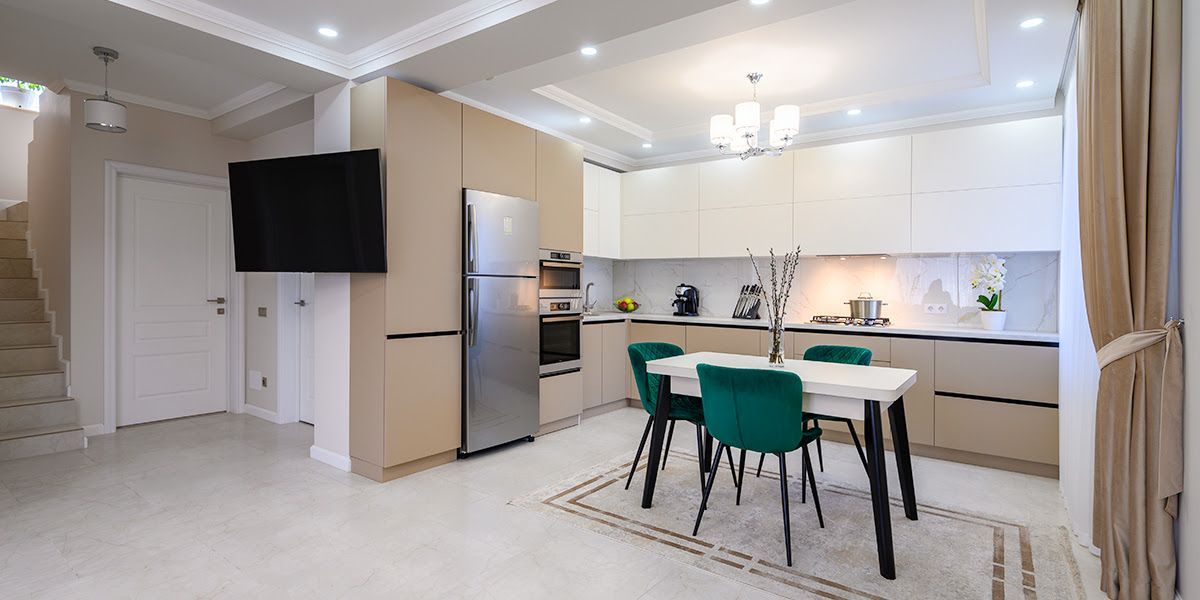
A little clarity from the start around shared spaces can make life a whole lot easier for everyone involved. Details like which bathroom guests should use, who gets which cabinet, and whether the street parking comes with the unit are all worth spelling out. A written answer to each of these questions (even an informal one) gives everyone something to point back to when disagreements come up - it also takes pressure off you as the landlord, because you're not the one being asked to referee.
Florida law leaves plenty of room for landlords and tenants to sort this out on their own, and for student housing especially, that flexibility is worth it. A short addendum to the lease or an easy house guidelines document can cover the basics with little effort. The goal is just a record of what everyone agreed to at the start.
Free Help at the UF Off-Campus Office
The University of Florida has a free resource that most students never seem to use - the Off-Campus Life office. Lease reviews, one-on-one tenant sessions and general help with Florida renter rights are all available there at no charge. The whole point of the office is to help students work through their off-campus housing early, well before any actual problems come up.

A trained staff member will sit down with you and go through your lease, line by line. These are professionals who know exactly what to watch for - vague language buried in the fine print that could put you in a very tough position a few months later on. A review like that can sharpen how you feel about signing the lease.
Timing matters here. Once you sign a lease, it's a legally binding document - and a quick review first costs nothing but a little bit of your time. Wait until something goes wrong and your options get very limited, very fast. The best ones are usually already off the table by then.
Renting by the room means you should bring the full lease to your review - along with any addendum that covers the shared spaces in the home. Your personal liability, your rights to common areas and what actually happens if a roommate falls behind on their portion of the rent are all worth raising. These details usually get glossed over at signing and then, a few months in, when everything gets tough, they turn out to be the parts that matter most in the whole agreement.
The more you get ready before that meeting, the more you'll get out of it. A partial review is still worth it - even a few documents are better than nothing. With everything organized and a list of questions in hand, you're going to get the most out of your time there. Just remember that it's free.
Keep Up With the Local Rules
Gainesville's local ordinances change frequently. A law that was fine to put in a lease last year might already be revised, amended or gone altogether by the time you draft a new one.
The stakes of outdated information are very real. A lease drafted under the wrong assumptions can become unenforceable, and landlords and tenants alike can be looking at fines over terms that changed without anyone realizing it. Neither outcome helps your rental income or your stress levels - and both are avoidable.
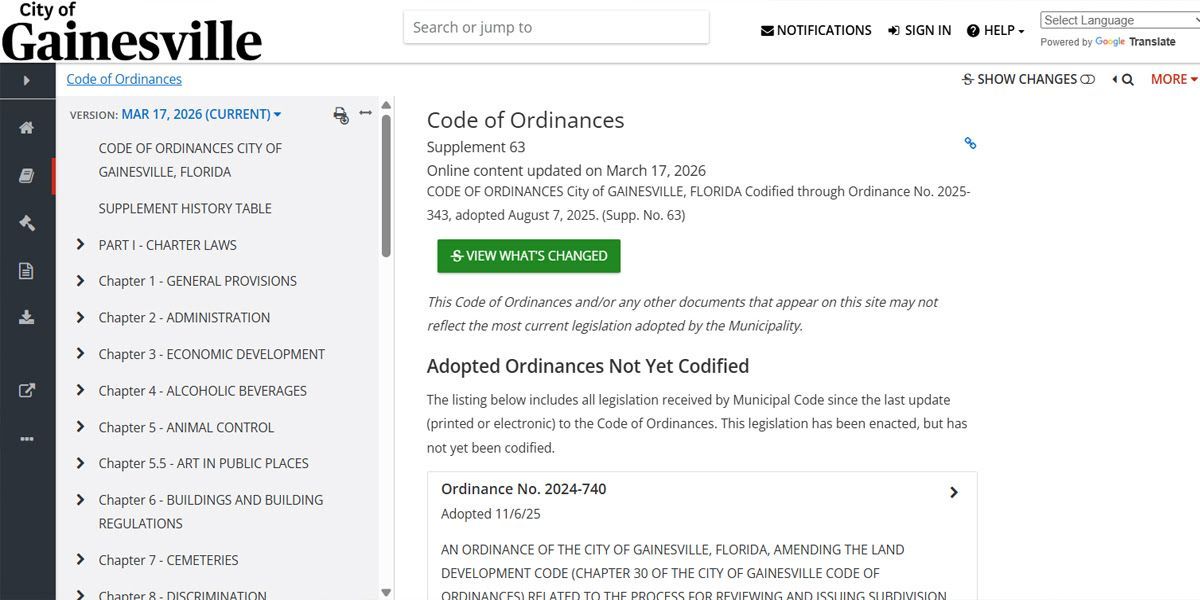
The best place to start is always the original source. The City of Gainesville publishes its housing and zoning codes directly on its website, and local tenant advocacy groups are skilled at breaking down what that legal language means in plain English. Neither step will take up much of your time, and they'll get you far more accurate information than anything you'll find on a random forum or an outdated blog post.
A former tenant passing along advice from their own lease experience might not know how much has already shifted since they signed. Before you follow anything, it's worth taking a few extra minutes to confirm what's in place now instead of relying on what used to be true.
As a property owner in Gainesville, local code compliance is part of protecting what you own. The best part is that it doesn't take a law degree or hours of legal research to stay on top of it. It's actually pretty manageable.
Let Us Handle the Details
Shared housing has plenty of moving parts. But most of what makes or breaks these arrangements does trace back to a handful of basics. Occupancy limits in your zone, the type of lease on the table, and whether shared spaces get covered in writing - get those three right and you're already ahead of most. Florida law gives landlords and tenants a framework to work within, and resources like the UF Off-Campus Life office make it way easier to walk in prepared. A little bit of homework first will always be less painful than trying to sort out a dispute after the fact.
The rules around student housing in Gainesville do change over time, and not necessarily in ways that get much attention. What applied when your older sibling rented near campus a few years ago might look pretty different from what's on the books today. Before you sign anything, pull up the latest guidelines and see where you stand. That one extra step can spare you from a situation that's hard to walk back from.

Rent-by-the-room properties are already a handful to manage, and the policies around them don't sit still. At
Pepine Property Management, we serve property owners and residents all across North Florida, and our whole job is to make that process easier on everyone involved. As an owner, you'll have reliable oversight of your investment. For renters, it means a well-maintained home with a team that actually picks up the phone. Whether you're an owner or a renter, we'd love to help - get in touch with us at Pepine Property Management and find out what we can do.
Share this post