
The Gainesville Landlord's Guide to the Student Rental Cycle

A rental property near the University of Florida puts you in one of the most in-demand housing markets in the entire Southeast. With roughly 60,000 students enrolled and about 75% of them living off campus, the tenant pool is very large - and it runs on a very strict seasonal calendar. Miss the lease-signing window, price the unit wrong or forget a key detail, and a property that should pull strong returns will sit vacant or take up far more of your time than it should.
Student rentals run on a whole different calendar from your average residential property, and getting it right matters from the start. Leases follow an August-to-July cycle, the application rush finishes up well before spring even arrives, and tenant turnover tends to hit all at once instead of spreading out slowly over the course of the year. Landlords who treat these units like standard long-term rentals usually end up with avoidable vacancies and repair costs that slowly cut into their annual returns - and it's a pattern we see all the time.
Once you're in sync with UF's academic calendar instead of working against it, the whole operation gets quite a bit more manageable (this market rewards landlords who plan ahead). Your marketing, your lease renewals, your maintenance budget and your tenant screening all need to follow the academic year. Get that right, and you'll stop chasing tenants and get ahead of them instead. Turnover settles into a very predictable annual rhythm. That predictability is what separates the landlords who do well here from the ones who don't.
I'll take you through it - pricing, lease timing, tenant screening, maintenance and everything else that matters for a well-run rental property! Let's go through the student rental cycle so you can stay ahead!
The Rental Market Near UF Stays Strong
The University of Florida is one of the largest universities in the country, with enrollment that usually approaches 60,000 students. For landlords in the area, that number matters - it's a renter base that resets itself every year, whatever the economy happens to be doing.
Not all rentals in Gainesville are created equal, and location is what separates the top performers from the rest. Properties that are within 1 to 2 miles of campus (especially those near Midtown and University Avenue) hold stronger rent rates and stay occupied for far longer than properties farther out. A student's commute matters quite a bit to him or her, and students are more than willing to pay more to live close enough to walk or bike to class.
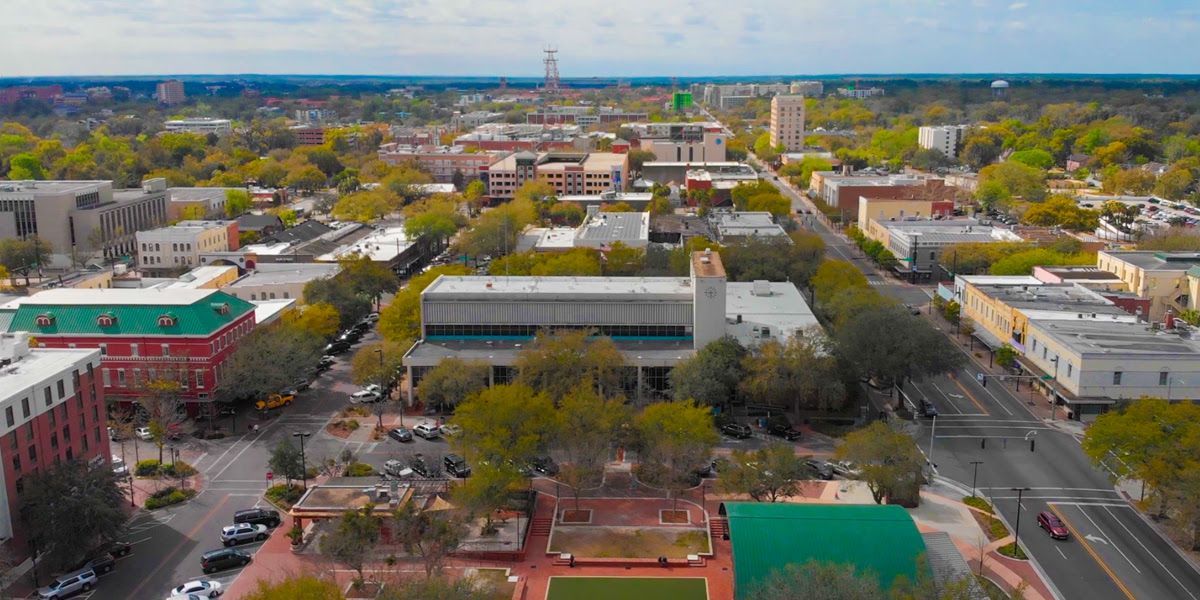
Some properties in Gainesville get applications within days of listing, and others sit vacant for weeks - and the reason usually comes back to location. A unit 3 miles from campus could be bigger, newer and even priced a little better. But students are still going to gravitate toward a smaller place that puts them closer to where they actually spend most of their time.
For landlords who already own property near the university's core (or who are looking to invest there), that's encouraging. The demand in those areas follows enrollment numbers rather than market changes or economic cycles the way most other rental markets do, and UF's enrollment has been strong for decades. That built-in demand is rare, and it's not something that most markets have. Even in periods when other rental markets start to cool off, Gainesville tends to hold its ground - it's a big part of why the area continues to attract real estate investors year after year.
Student Rentals Run on a Different Calendar
Student demand in Gainesville is strong, and it's been that way for a long time. But strong demand won't fill your units on its own. What actually drives leasing success is timing - and in a college town, that rental calendar looks nothing like what most property owners are used to.
Most student leases in Gainesville run from August to July, which ends up dictating just about everything you do as a landlord throughout the year.
The leasing window for the following fall opens in October and runs through February. Students are already locking down their housing for next August while most landlords are still in full holiday mode - and by late spring, the most qualified and financially stable tenants have already signed somewhere else, sometimes months ago.
By spring, the applicant pool gets noticeably smaller - and the tenants still looking usually have much less to choose from. That flexibility on their end doesn't usually work out the way an owner would hope.

The landlords who fill their units with great tenants (and do it early) are nearly always the ones who get started in October. Their availability is already mapped out, their units are in shape and conversations with prospective tenants are well underway long before the new year. A lot of this comes down to awareness, and from what I've seen, when a landlord doesn't get ahead, it's usually not because they didn't put in the effort - it's just that they never knew the window was even there.
A smooth leasing season doesn't happen by accident - and it's not about luck, price or location. What makes the biggest difference is preparation. When you get ahead of the calendar early, vacancy rates stay low, tenant quality stays high, and the whole season is considerably less stressful.
The rental market in a university town runs on its own schedule, and it moves fast - it's not going to pause and wait around for you to feel ready.
Get the Right Renters to Your Door
Great photos are what get your listing in front of the right renters. For student rentals especially, bedrooms are what renters want to see first - so each one needs to be well-lit and feel like a livable space. A photo of the parking area is worth adding, and a floor plan that shows how roommates can split up the space goes a long way.
Most students search in groups. You're marketing to three or four renters at once - and usually to their parents - since a 19-year-old is almost never signing a lease on their own. Mom and Dad want a safe space that's close to campus. Their kid wants enough bedrooms and a decent place to park. A listing that speaks to both at the same time tends to pull in quite a bit more interest than one that only covers one of them.
Word of mouth travels fast in a college town, and the best units get claimed almost immediately once the signing window opens. An early listing in the right places (Facebook groups, UF's off-campus housing board, Gator Classifieds) puts your unit in front of renters who are already motivated and ready to commit. Post late and you're suddenly competing with a wave of fresh listings right at the point where demand starts to thin out.

Vague listings are one of the biggest missed opportunities I see in student rentals. A phrase like "great location" doesn't actually tell a student anything - name the cross streets, drop in the walking distance to campus in minutes and give them something concrete to work with. Students move fast and make their decisions based on whatever they can skim in about 5 seconds, so a listing that's direct and concrete will always go quite a bit further on its own.
A Parent Co-Signer for Your Student Tenant
Full-time students almost never have income history or an established credit record - that's just part of this market. It's a big part of why parental co-signers have become a reliable tool for Gainesville landlords. A financially responsible adult on the lease gives a weaker application more weight, and it's usually the one factor that can take an applicant from "probably not" to "approved." That added layer of accountability can also help with how rent gets paid month to month.
A co-signer application deserves the same attention as any other applicant. Pull their income, run a background check, and work through your full standard screening process with them. A co-signer who is already in a tough financial situation doesn't give you much protection - at that point they're just a name on a lease. If they can't realistically cover the rent themselves, they shouldn't qualify as a co-signer.

A student who seemed responsible at the showing can become a late-payment problem by mid-semester. Life moves much faster at that age, and quite a bit can change between move-in and the end of the semester. Without a well-vetted co-signer already on the lease, your options can get very limited - having one gives you a path forward if a problem comes up. That matters quite a bit when you're trying to protect the property and the owner's income.
A paper trail is one of the most overlooked tools in property management, and it matters especially when fair housing compliance is on the line. Every applicant needs to go through the exact same process, with the exact same criteria applied to each one. That consistency is what protects you if a choice is ever questioned, and it's a habit worth building into your process from the start.
Florida Landlord-Tenant Laws Done the Right Way
Florida landlord-tenant law has a few points to know before you hand over the keys, and one of the most helpful is the 12-hour notice rule. To enter a tenant's unit for repairs or an inspection, Florida law calls for at least 12 hours of advance notice. Plenty of landlords don't think much about it until it turns into a problem. Even if your intentions are great and the visit's minor, an unannounced check-in is still a violation.
Security deposits are an area where landlords get themselves into hot water without ever meaning to. Florida law gives you 15 days to return a deposit in full when there are no deductions involved. Should you need to make deductions, that window extends to 30 days - but within that time, you also have to send the tenant a written explanation of what you're taking and why. Let either deadline slip by, and you can lose your right to those deductions altogether, which adds up fast when the deposit amount is on the higher side.

Student tenants don't always arrive with an idea of what's expected, and that's fine on their end. Just don't use that as a reason to let matters slide on your end. The law doesn't adjust based on what a tenant did or didn't know when they signed the lease.
Written records are your best protection throughout this. A quick email to confirm a maintenance visit or a dated letter about a deposit deduction gives you a paper trail that covers both sides if a dispute ever comes up. It's a small step that does pay off - and it costs you almost nothing.
The Real Cost of Annual Turnover
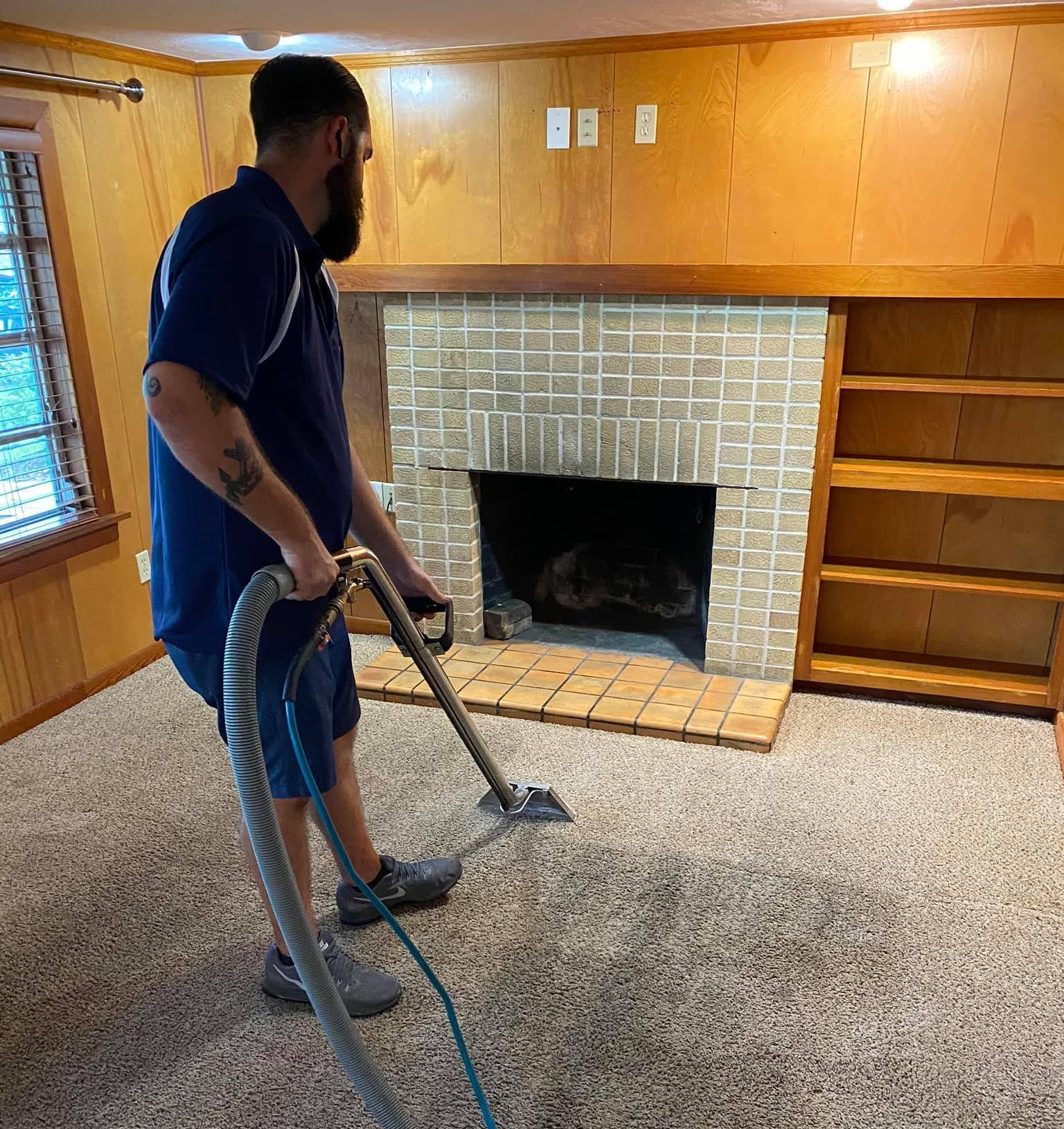
Student rentals in Gainesville almost all flip at the same time (July), which means landlords are all moving through the same reset cycle at once. Fresh paint, clean carpets and a full appliance check are usually expected every time a tenant moves out, and the total bill for that can run anywhere from $1,000 to $3,000 per unit just to get it rent-ready again.
That number doesn't have to wreck your budget every summer. When you plan ahead, it stops being a stressful scramble and can just become another expense that you've already accounted for. Landlords who build those turnover costs into their annual budget from the start usually come out ahead compared to the ones who treat every repair bill like a crisis.

One point to keep in mind is that every vendor in town is working through the same July rush at the same time. Painters, cleaners and contractors all get booked up fast - if you wait until the last minute, delays are almost guaranteed. And delays mean a unit that isn't ready when the next tenant shows up. The sooner you book them, the better.
The landlords who find themselves in trouble are the ones who push repairs off or treat them like they're optional. A unit that didn't get the right attention between tenants will draw complaints early in the new lease - and once that starts, it gets quite a bit harder to hold onto renters. High turnover is expensive, and usually it's preventable.
Turnover maintenance is just how you protect everything that you've already put into this property - and how you keep it earning what it should.
Low Vacancy Starts With a Happy Tenant
Graduate students are probably the best example - most of them are in Gainesville for two, three or four years, and they're usually not in any rush to move if they don't have to. Undergrads are the same way - a student who likes their apartment will usually renew without much convincing.
A tenant who already knows your property, pays on time and actually takes care of the place is very hard to replace. That tenant took time to find, and when they leave, you start the whole process over again. A new tenant search costs money, eats up time and takes quite a bit out of you - and none of that accounts for the stress of not knowing how long the unit will sit vacant.

Vacancy timing is one of the biggest wildcards in student rental management. Lose a reliable tenant and get stuck with an empty unit all summer, and that lost rent piles up fast. A single vacant month will usually cost more than whatever small concession would have kept them around - a slight rate reduction, a minor upgrade, or just finally tackling that repair they'd been waiting on.
Landlords who stay responsive and keep a working relationship with their tenants see more renewals from one year to the next. It also helps to have a conversation with tenants well before the lease end date. An easy check-in can tell you whether they plan to stay and help you get ahead of anything that might lead them to look elsewhere. Less turnover means lower costs, less of a headache for you and a far more predictable rental income - which is the whole point of a well-managed property.
Let Us Handle the Details
The first full year as a student rental owner near UF is the hardest one. The leasing calendar is still new territory, the maintenance costs are unpredictable, your tenant screening is still growing, and the question of when to list and what to charge takes a while to work out. After the full cycle, though, the whole operation starts to feel like a system instead of a scramble. The same leasing windows open every fall, the same turnover wave hits every July, and the same kinds of tenants show up with the same needs. Once you've watched the whole year play out from start to finish, you'll already know what's coming before it gets there.
That built-in repeatability is a big part of what makes student rentals near a university a pretty reliable long-term investment - as long as they're managed well. A rough tenant here, an unexpected repair there - none of that's unusual in this business.

Not every property owner wants to manage this themselves, and that's fine.
Pepine Property Management works with owners all across North Florida, and we know the Gainesville rental market inside and out. Tenant screening, lease management, maintenance coordination and financial reporting - our team covers it, so you get to bring in the income without the day-to-day stress. Ask for a free rental analysis and find out what your property could actually be earning with a professional team behind it. We'd love to be a part of your investment.
Share this post