How CAM Charges Work for Gainesville Commercial Rent
Most tenants reach the final pages of their lease and come across a line item labeled CAM (Common Area Maintenance) with little to no explanation attached to it. There's no itemized list of what it covers, no formula for how the landlord landed on that number. Just a charge.
CAM charges are a tenant's portion of the costs that go into keeping the shared areas of a property up and running - parking lots, exterior lighting, common hallways and the spaces that no single tenant owns but everyone uses every day. Instead of rolling these costs into the base rent, landlords bill them separately, which is why the listed rent on a space can look much cheaper than what a tenant actually pays each month.
The financial stakes are very real. A significant share of commercial tenants end up overpaying on their CAM charges - and in almost every case, it traces back to a misread lease. For any business that's watching its margins closely, that's real money. CAM charges can also vary quite a bit from lease to lease, and since each landlord tends to calculate a tenant's share a little differently, two businesses in the exact same building might pay very different amounts for that same shared parking lot.
Let's talk about how CAM charges work for your Gainesville commercial rent!
What Your CAM Charges Pay For
Once you sign a commercial lease, your rent covers the space inside of your four walls - but a building costs quite a bit more to run than just your unit. The parking lot, the landscaping, the exterior lighting, the shared restrooms - everything needs regular attention, and none of it's free. CAM charges are how landlords recover those costs from their tenants, and for anyone who manages commercial properties, it's a structure that you'll have to know well.
Generally, your suite ends at your front door. Everything past that (the hallways, lobbies, and parking areas) is shared space, and the costs for those areas get split accordingly.

Landlords bundle these costs into a single monthly charge instead of separate bills for each item. It's much easier to manage on their end, and it gives tenants one predictable number every month. Property management fees get wrapped into that bundle as well - it covers the property as a whole, not any one tenant's unit, while items like building insurance and property taxes are often billed as their own separate line items.
Some of these line items are pretty easy to spot. Parking lot maintenance and lawn care are costs that you can see and feel every time you pull in or walk around the property. Management fees and insurance are a whole different situation - they just run in the background, and most tenants don't even know they've been contributing to those costs until they're already a few months into a lease. It's pretty common, and it's a big part of why CAM charges are worth a careful look before you sign anything. The next section gets into what these costs actually look like in dollar amounts for the Gainesville market.
What CAM Charges Look Like in Gainesville
CAM charges usually run between $3 and $8 per square foot per year in Gainesville, which is a pretty wide range. That makes sense given how many variables can affect where any given property lands - it pays to know what those variables are before you sign anything.
Location is one of the biggest ones. Properties near Archer Road or along the Butler Plaza corridor tend to land at the higher end of that range, and there's a reason for that. Those areas pull in heavy foot traffic, which means more wear and tear on the space over time. For landlords, that translates to higher maintenance costs, and those costs have to go somewhere.
Property type also has a big effect on what CAM costs look like. A retail strip center will have very different maintenance costs than a professional office building or an industrial space. The more shared amenities a property has (such as large parking lots, landscaped common areas and communal spaces), the higher those CAM numbers are going to run.
Age and condition of the property matter too. Older buildings tend to need more routine repairs, which can push CAM costs toward the higher end. Newer properties or those that have been recently renovated may have lower maintenance costs in the short term. But that can change as the building ages.
CAM charges aren't always fixed, either. Many leases include annual reconciliation clauses, which means tenants could see adjustments at the end of each year depending on what the expenses turned out to be. Whether you're a landlord or a tenant, it's helpful to know how those numbers are calculated (and what's actually included), especially when it comes time to negotiate or renew.
How Square Footage Shapes Your CAM Bill
CAM charges in a commercial building don't get split equally across every tenant. What each tenant actually pays is tied directly to their proportional share of the building - specifically, what portion of the total square footage they lease. A bigger space means a bigger portion of the CAM bill, and a smaller space means a smaller one. No more, no less.
It's all based on what's called pro-rata allocation - which is a ratio between your unit's square footage and the total square footage of the building. If the building is 20,000 square feet and your unit is 2,000 square feet, your pro-rata share comes out to 10%. From that point forward, 10% of the property's total CAM costs for that year get added to your bill. The math is pretty easy to follow, and the result is fair for every tenant in the building.
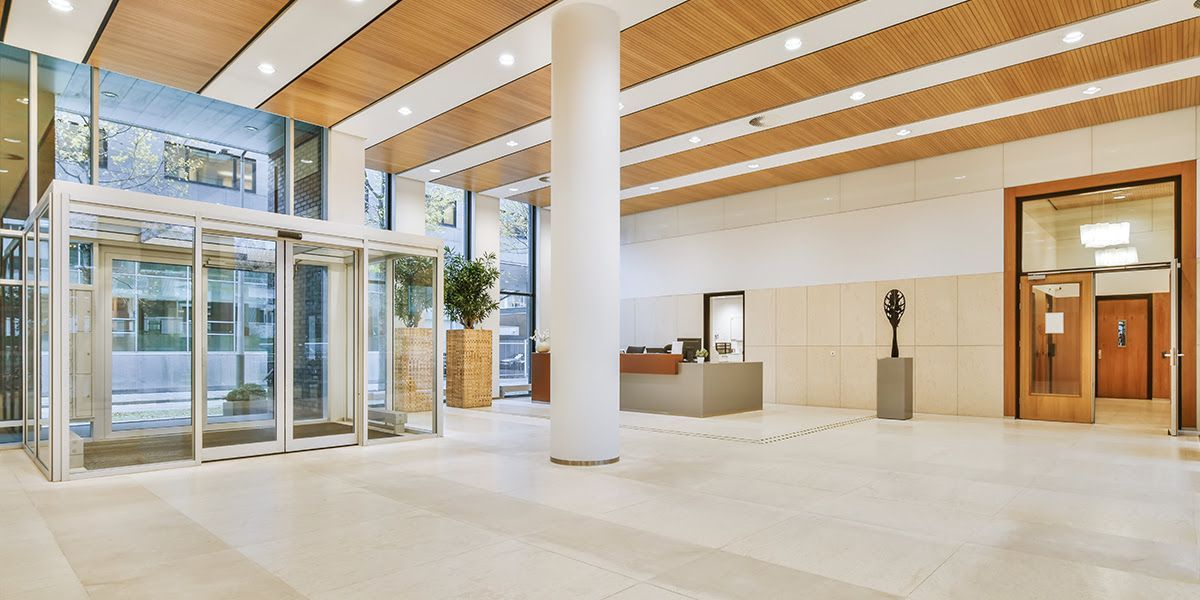
Tenants in bigger units pay more toward shared costs for a pretty basic reason. A business renting 5,000 square feet will carry a much bigger portion of the bill than the tenant next door in a 1,000 square foot unit. More space in the building means a bigger share of the property's operating costs - it's how the lease is set up.
Vacant units are where lease agreements can get a little messy. Some leases calculate your share of costs based on the occupied square footage instead of the total square footage of the building. So when a unit goes empty, your percentage can creep up even though your own lease hasn't changed at all. This detail tends to get buried deep in the fine print, and it's one of the most important things to check before you sign anything.
Before you sign a commercial lease, find the section that covers how your pro-rata share gets calculated - it's usually buried a few pages in, and it's smart to look for it. A quick read of that formula now will save you from frustration when the CAM reconciliation statement comes in.
The Gross-Up Clause Could Cost You More
A number of landlords calculate CAM charges with something called an "occupancy gross-up," and if that clause shows up in your lease, you need to take that seriously.
Even if a building is only half full, your landlord can calculate shared costs as though it's 95% occupied. Your share of these costs gets bumped higher to cover what the vacant units would have contributed - which means that your monthly bill ends up noticeably higher than the raw numbers would actually suggest.
Landlords use this clause to protect their cash flow when occupancy drops, and on its own, it's neither illegal nor unreasonable. It's a fairly common lease term, though - and one that plenty of tenants just don't account for when they run the numbers.
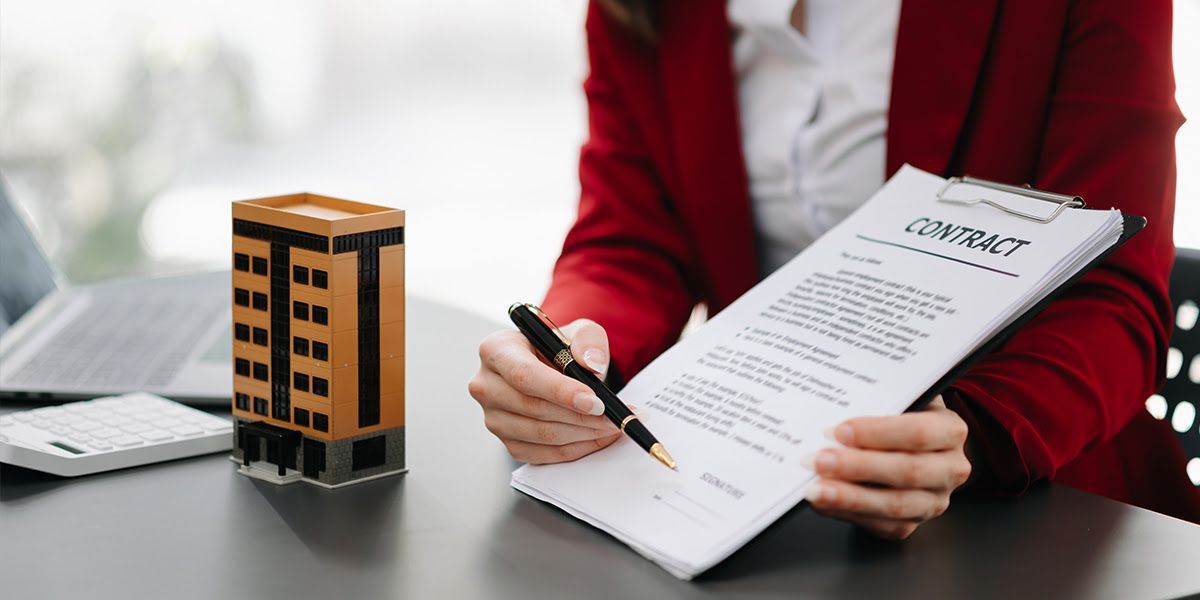
It's negotiable, though, and worth keeping in mind. A real estate attorney can negotiate a cap on the gross-up percentage - somewhere in the 85-95% range is a good place to start that conversation. An audit rights clause is equally worth fighting for, and it should go directly into the lease right alongside that cap. Audit rights give you a legitimate way to go back and check the landlord's math later if the numbers ever seem off.
With both of these protections in your lease, your position as a tenant gets considerably stronger. The gross-up provision is just one piece of this, though - audit rights are where most of the actual power sits, and the next section walks through how those work.
You Have the Right to Check CAM Charges
Your commercial lease is what gives you the right to a yearly CAM reconciliation statement, and most commercial leases in Florida include this provision. In practice, this gives you a concrete tool to cross-check what was actually billed throughout the year against what the landlord spent.
Always ask for an itemized list instead of a lump-sum figure. When you have each line item laid out in front of you, you can compare the landlord's original estimate against the actual costs - that's where discrepancies usually start to show up.

CAM statement errors are pretty common, and padding is nearly as widespread. A landlord might include charges that don't fall under the right lease category or carry over costs from a prior year that don't belong there. Every now and then, the math itself just doesn't work out. A tenant who looks at that level of detail is simply doing fair due diligence - exactly what a well-written lease is meant to allow.
The reconciliation timeline in your lease is worth learning well. Most leases give the landlord a set window to send over the final statement - usually anywhere from 90 to 180 days after the year closes out. If the numbers come back higher than you've already paid, you usually have the right to dispute the charges and even ask to see the underlying records. If they come back lower, a credit should be headed your way. No matter which way it goes, those deadlines like to slip by, and a missed window can cost you money. It's much easier to manage this proactively than to sort it out after the fact - so stay on top of the dates.
How to Get a Better CAM Deal
Most tenants think CAM charges are just a fixed line item in the lease - set in stone, end of story. In reality, most landlords expect some negotiation before anything gets signed, and a few well-placed requests can help your monthly bottom line.
One of the first items to ask about is a CAM cap - a hard ceiling on how much your CAM charges can increase from year to year. A 3% to 5% annual cap is pretty standard, and most landlords won't push back too hard on it. Without that protection built into your lease, your costs are at the mercy of whatever the landlord's operating costs do that year - and in a bad year, that number can climb fast.
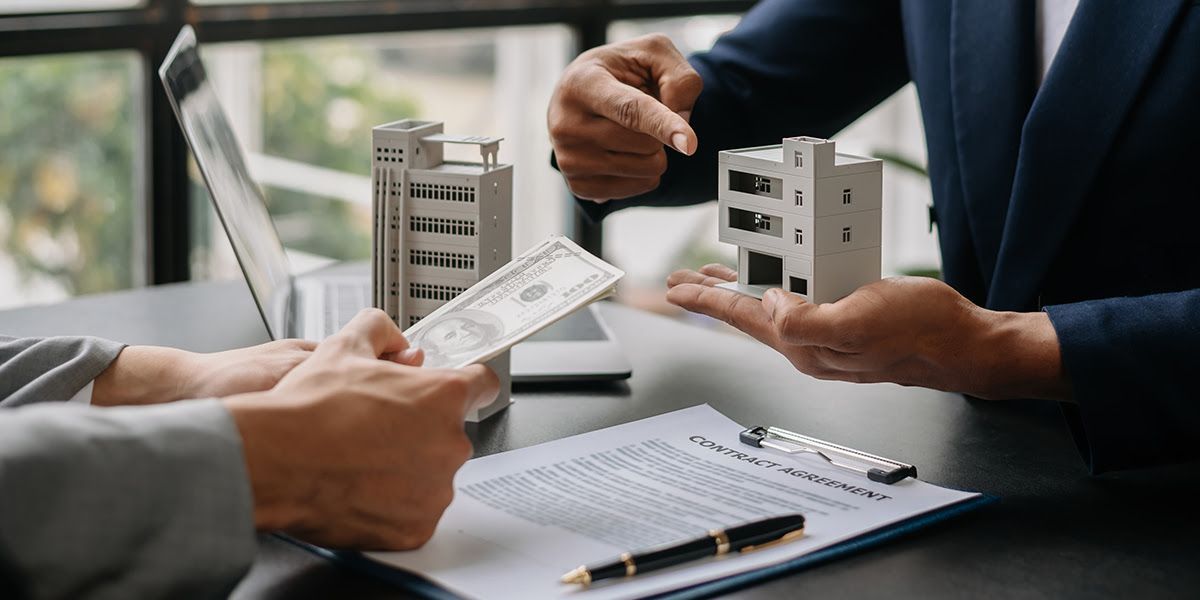
If simplicity is a priority for you, a gross lease is worth a look. With this structure, you pay one flat monthly number, and the landlord covers the operating costs. The tradeoff is that there's a bit less flexibility on your end - but what you get in return is genuine predictability. No extra variables, no year-end reconciliations, no mystery line items on your bill. For anyone on a tight budget, that consistency is hard to pass up.
None of these requests are unusual - most experienced tenants will bring at least one of them up anyway. The other big benefit of asking early is that it lets a landlord know you've done your homework. That alone tends to set a much better tone for the whole relationship going forward.
Mistakes Most Tenants Make With CAM Charges
Most tenants read their lease and feel comfortable with what they signed - at least until the first bill arrives and the numbers don't add up. CAM sections are usually the reason. They run long, they're full of detail, and they're easy enough to skim past. But those buried line items are what drive your monthly costs.
Most business owners don't even know to ask for a CAM cap - a lease clause that puts a hard ceiling on how much those charges can rise each year. Before you sign anything, it's not a bad idea to mention it - it's one of the first items I'd put on the table in any lease negotiation.

The yearly reconciliation is another item worth a look. At the end of each lease year, your landlord has to compare what you paid in estimated CAM charges against what the costs actually ended up being - and those two numbers don't always match. You could be overpaying without ever realizing it if you never ask for that reconciliation statement and look it over. Ask for it every year, then go through the numbers line by line and follow up directly if something doesn't add up.
Not every expense that a landlord lumps into CAM is actually yours to cover.
A lease that was signed under time pressure - without a sense of how the shared costs break down - is one of the quickest ways to lock yourself into terms that just aren't in your favor. Before you sign anything, a quick meeting with a real estate attorney or a tenant advisor can save you money.
Let Us Handle the Details
CAM charges have a reputation for being confusing. That reputation is fairly well deserved. Landlords aren't always in a rush to walk tenants through the fine print line by line, and most tenants are so focused on their move-in that the math just gets pushed aside - sometimes indefinitely. A better picture of how your share gets calculated and which lease terms are actually worth pushing back on goes a long way toward making the whole process more manageable.
You don't need an attorney to protect yourself here - just a little time and the right questions. A fresh read of your lease, a quick look at how your pro-rata share was calculated, and a conversation about caps and audit rights can all translate to actual savings over the life of that lease. These are the sort of questions that are easier to raise up front than after a dispute has already started.

At Pepine Property Management, we work with property owners and tenants all across North Central Florida - and lease situations like this are just what our team is here for. We take care of everything from lease term reviews and CAM reconciliations to finding tenants for the right commercial spaces, so you can stay focused on running your business and protecting your bottom line.
Whether you're a property owner who wants reliable management support or you're a business on the hunt for your next commercial space, we bring the experience and the local knowledge to get you there. Contact us - we'd love to talk through how we can help.
Share this post