
Late Rent Fees Landlords Can Charge in Alachua County

A late fee that isn't written correctly in the lease is unenforceable - and that's before we even get into whether the amount is actually right. Fees that are set too high are a prime target for legal disputes, and a different amount for different tenants can add a whole separate layer of problems on top of that. None of this helps a landlord who just wants steady rental income and a drama-free relationship with their tenants.
The financial exposure here is very real. A disputed fee that ends up in court will cost you far more in time and legal fees than the original amount was ever worth - sometimes by a wide margin. It's still an area where the right setup from the start pays off.
The great news is that Florida law gives landlords a framework to work with here. Alachua County doesn't have its own separate late fee ordinance, so it all depends on the state statute and whatever your lease says - it's a fairly workable combination if you know the limits. Florida law does require that late fees be reasonable. As long as your lease spells it out and applies it in the same way for every tenant, you're on safe ground.
The day-to-day management gets a whole lot easier. A landlord with the right fee language in their lease can enforce it confidently, push back on tenant questions without any hesitation and stay away from the dragged-out arguments that waste everyone's time and money. Late fees are supposed to be a normal part of running a rental - they just don't have to be a headache!
What landlords can charge for late rent in Alachua County!
Florida State Law Sets the Late Fee Rules
Rental property owners in Alachua County don't need to worry about a separate layer of local late fee laws - because there just aren't any. Alachua County has no late fee laws of its own, so you don't need to look through the county ordinances at all.
Florida state law governs your situation here - Chapter 83 of the Florida Statutes, to be exact. Chapter 83 is the part of state law that deals with residential landlord-tenant relationships and covers the entire state. Florida doesn't stop local governments from writing their own separate landlord-tenant laws. But a county like Alachua just hasn't - it all runs through state law.
For landlords, it's actually pretty welcome news. A single set of laws covers the whole county, and it applies the same way whether your rental is in Gainesville, Newberry or anywhere else in the area - no matter which city or neighborhood your property happens to fall in, the same law governs what you can and can't charge. Even moving a few blocks across a city line changes nothing at all.

Statewide uniformity like this is rare across Florida. Plenty of counties and cities have added their own layers of laws over the years - extra waiting periods, fee caps and quite a few other local laws stacked on top of the state law. Alachua County hasn't taken that strategy, and that's legitimately convenient for landlords who own multiple properties spread across the county. It's one set of laws, full stop.
With the jurisdiction question settled, let's get into the dollar amounts and percentages that Florida law lets landlords charge for late rent.
How the 20% Safe Harbor Rule Works
Florida Statute § 83.808 establishes what's known as a "safe harbor" standard for late fees. The idea is to give landlords a reliable way to know if their fee will hold up legally. Under that standard, a late fee is valid as long as it doesn't go above $20 or 20% of the monthly rent - whichever of the two amounts is greater.
To put some numbers to it, if your tenant pays $1,500 a month, 20% of that comes out to $300. Anything at or below that amount is considered presumptively fair under Florida law. That ceiling is quite high, and leaving the late fee well below it means that you'll leave rental income on the table.
Plenty of landlords land on a lower late fee because they don't want to seem aggressive or unreasonable - it's a fair concern to have. The issue is that a fee set too low won't give your tenant enough of a financial reason to treat the rent as a priority on payday.

The safe harbor standard takes the uncertainty out of it. As long as your late fee falls within that 20% threshold, you're on firm legal ground and have no obligation to justify the amount.
One more detail worth mentioning - the $20 floor carries real weight. If your tenant's rent is low enough that 20% works out to less than $20, you can still charge the full $20 and stay within safe harbor. This actually works in your favor at the lower end of the rental market.
Your Lease Must Have a Late Fee Clause
Florida's safe harbor limits are a baseline to stay within. But none of that holds up if the late fee isn't written into the lease. A landlord usually can't enforce a fee that was never disclosed to the tenant in writing (and to be valid, that disclosure has to come before they sign it, not after).
Generic lease templates are one of the most common places where landlords get themselves into problems. Plenty of property owners will pull a standard form off the internet, never bother to fill in the specifics and find themselves with either a blank fee amount or something painfully vague like "a late fee may apply." Language like that almost never holds up once a dispute makes it to a hearing.
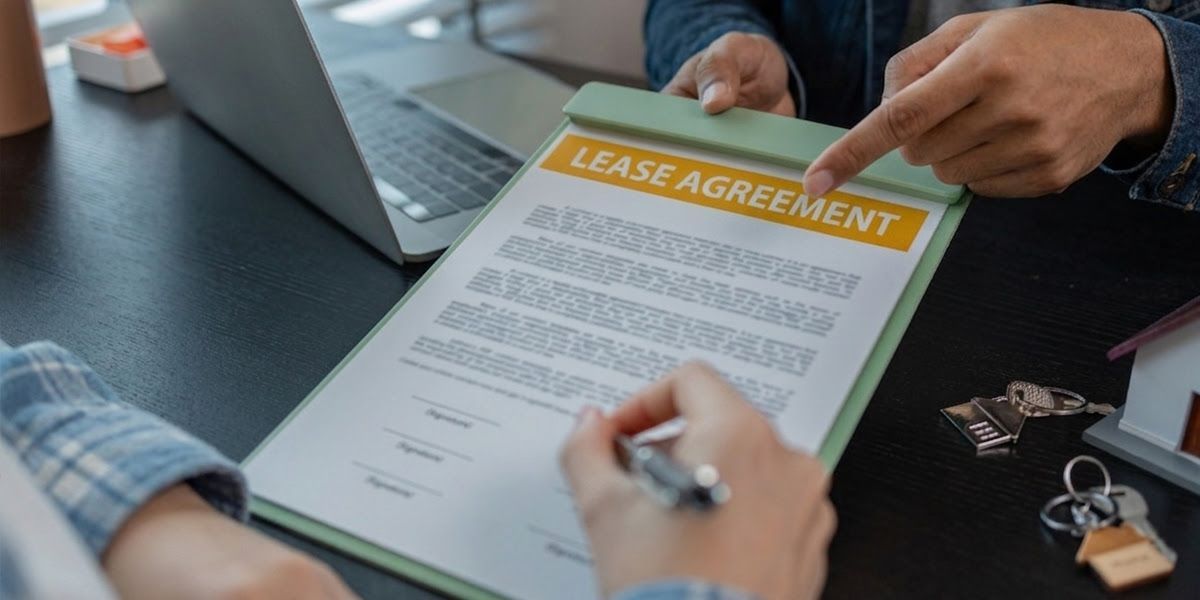
An enforceable late fee needs two details in the lease - the exact dollar amount and the exact date that it starts. The two of them need to be there, full stop. A lease that defines a grace period but leaves the fee amount blank is every bit as unenforceable as one that has no grace period at all. Without those two pieces, the fee won't hold up - and half a late fee policy is no policy at all.
That's actually one of the most common gaps property managers run into when they sit down to review an existing lease from a new owner. Lease language that looked just fine when the owner first drafted it can still be missing a detail or two - and those missing specifics are just what a tenant will point to when they want to push back on a fee.
Get that written into the lease from day one, and the fee is collectible. Leave it out, and even a fee that's squarely within every legal limit in the state might not hold up.
Should You Give Your Tenants a Grace Period?
Florida law doesn't actually make landlords give their tenants any grace period before a late fee applies. If your lease says rent is due on the first, a late fee is well within your rights to charge on the second - no waiting, no buffer, nothing.
With that said, plenty of leases do build in a short buffer anyway (usually anywhere from three to five days) before any late fee kicks in. Landlords aren't legally required to. But it's become a pretty standard practice across the industry.

Most landlords who go this way have a couple of decent reasons behind it. For one, it cuts way down on unnecessary conflict over payments that are only a day or two late. That friction adds up. For another, it sends a message to your tenants that you're running a fair operation and being straight with them. That goodwill does quite a bit for keeping a strong rental relationship going over the long term. A small buffer like that can head off quite a few minor disputes before they ever have a chance to turn into a mess.
On the other side, plenty of landlords like to draw a hard line from day one. A grace period doesn't solve the problem in their view - it just delays it by a few days. Late is late, and a strict policy makes that expectation way easier to spell out and hold right from the start.
Either option works fine as a way to run a rental, and neither one is automatically better than the other. What it can depend on is what landlord-tenant relationship you want and how involved you'd like to be in enforcing your lease. In my experience, landlords who allow a bit more flexibility usually hold onto long-term tenants more, and those who keep it tighter usually find that it makes keeping track of their books (and their expectations) a whole lot easier.
Late Fees Cannot Be the Reason for Eviction
An unpaid late fee can pile up, and a balance climbing month after month is very frustrating. What it can't do is give a landlord the legal right to file for eviction. Florida law reserves that option specifically for unpaid rent, and the distinction matters quite a bit for what steps are available to you.
Florida's 3-day letter only applies when a tenant hasn't paid their rent - and quite a few landlords get that wrong. The letter is based on the rent balance itself - not on any late fees that have piled up alongside it. A tenant who owes $100 in late fees but has already paid their full rent hasn't actually given you legal grounds for eviction. Not yet, anyway.
Rent and late fees can seem connected, and in practice, they usually are. One tends to follow the other, after all. In court, the law treats them as two separate categories. It's a mix-up I see all the time.
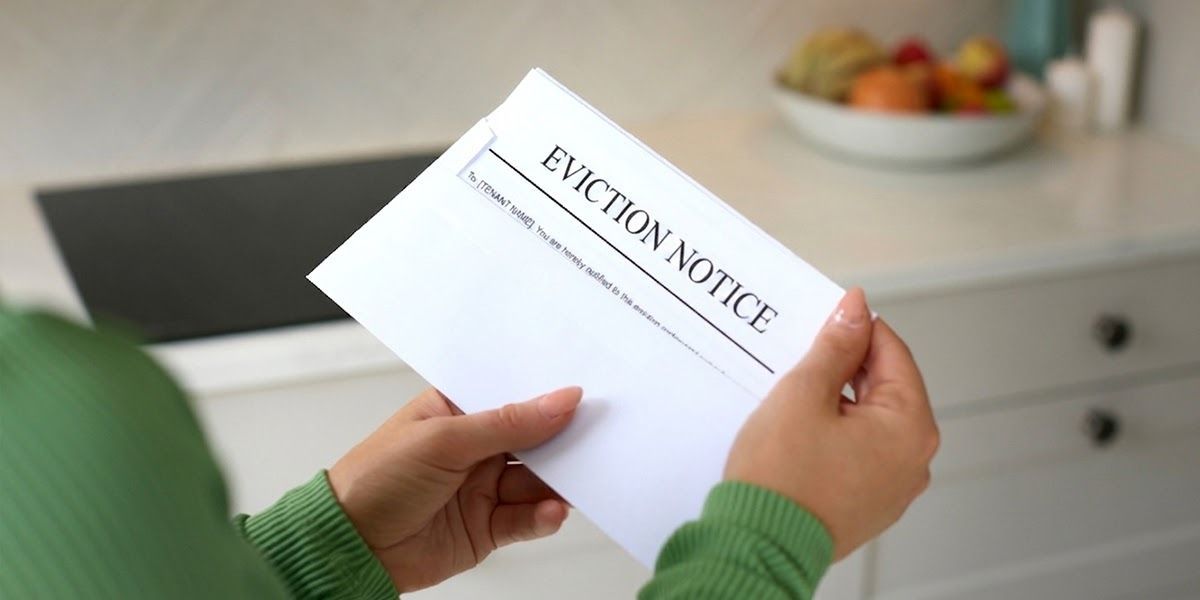
Before you file any paperwork, take a bit to separate what a tenant owes in rent from what they owe in fees - because these are two different numbers and they will each need their own column. When those figures get lumped together in a single filing, it can slow your entire eviction case down considerably. At worst, it could get the whole case thrown out and force you to start over from scratch.
A case that gets thrown out will cost you time, money and whatever footing you had - none of which are easy to get back. The numbers need to stay separate from day one because that's one of the best steps that you can take to protect your position when it matters.
What Costs Landlords More Than They Think
Even experienced landlords can run into problems with how they apply their own policies from day to day. One of the more expensive mistakes that you can make (and it's an easy one to accidentally fall into) is not enforcing late fees in the same way across all your tenants. In my experience, it comes up a lot. Charging one tenant a late fee while giving another one a pass for the exact same situation can hurt your position quite a bit if a dispute ever ends up at a hearing.
Your lease template is another area that's worth a close look. Late fee policies get updated every now and then - the written lease language doesn't always follow along with those changes. When the two fall out of sync, there's a chance that your written terms don't actually match what you've been charging. A quick side-by-side comparison of your lease and your fee schedule is well worth the 10 minutes that it takes.

Documentation is where plenty of landlords run into problems - and it's the hardest mess to untangle after the fact. A tenant claims they paid on time, and without a record of just when the payment came in, you're left with a he-said-she-said situation that's nearly impossible to resolve. A quick payment log (even just a basic spreadsheet or a memo app) gives you something to point back to if a dispute ever gets heated.
Landlords with just one or two properties are the ones who run into these problems the most, more so than the bigger operations out there. With no system in place, it's tempting to just manage each situation as it comes. Even a basic habit for how you track payments and apply late fees can matter quite a bit when a dispute eventually ends up in front of a mediator or a judge.
Let Us Handle the Details
If any of this gave you a reason to take a second look at your lease, it's worth doing it. Pull out the late fee section and read through it again, a bit more closely than you did the first time. Plenty of landlords discover that their clause is missing a dollar amount, a grace period or some other small detail that quietly makes the whole thing way harder to enforce. Those gaps almost never come up on their own - they usually surface the first time a tenant pushes back on a charge, which is the last time you want to find out that your paperwork has a hole in it.
Late fees are an area where the small facts do matter. A well-written clause can head off a frustrating disagreement with a tenant.

Along those lines, your lease and your processes should be working in your favor. That's something we take seriously at
Pepine Property Management. We work with property owners all across North Central Florida. Whether you need a team to take over the day-to-day management of your rental or just want a fresh set of eyes on how everything is currently set up, we'd love to talk it through with you.
Get in touch with Pepine Property Management - we'd love the chance to show you what a well-managed investment property actually looks like from the owner's side.
Share this post