
Short-Term Rental Rules in Alachua County for 2026

Alachua County has a regulatory setup that's a little different from most places in Florida. The state controls some parts of the short-term rental picture, and the county holds authority over others - as a property owner here, you're working within two separate sets of rules at once. And both of them matter.
When those two layers of oversight get muddled, the consequences can get expensive fast. Back taxes, fines that add up every day and even a suspended license are all on the table - and any one of them can pull your property off the market right in the middle of your best booking season. None of it's inevitable, though, and a little preparation is all it takes to sidestep it.
A valid rental registration, taxes that are charged correctly and sent in on time and an up-to-date license are all necessary, full stop (and a gap in any one of them puts your rental income at risk), even if it happens by accident. With a property that's likely one of your bigger financial assets, that level of care is part of the job.
The rules around short-term rentals in Florida have shifted more than once over the last few years, and with the rest of 2026 ahead, more changes could be on the way. What worked last year might not work this year, so state and county rules are worth a periodic review. The habit of keeping up with those updates is much less stressful (and much less expensive) than having to scramble once the rules have already changed.
Short-term rentals in Alachua County don't have to be a headache to manage. The goal is pretty simple - get set up right, stay on top of the layers of regulation and protect the income your property is already bringing in.
Let's talk about Alachua County's short-term rental rules for the rest of 2026!
What Makes a Property a Short-Term Rental
A short-term rental in Florida is any property rented out for periods of less than 30 days or one calendar month at a time. Everything I'll talk about here builds on that definition - and if your property falls outside of it, a decent chunk of it just won't apply to your situation.
The type of space matters quite a bit and has a big effect on which rules apply to you. A spare bedroom in a home where you still live is a very different situation from renting out an entire house or a unit in a duplex, and each setup gets treated a little differently under Florida and local county guidelines. Before we go any further, it's worth figuring out which category your property falls into.

Alachua County is home to Gainesville and the University of Florida. That combination alone brings a pretty steady rotation of visitors, parents and short-term renters through the area all year long. All that foot traffic is a big part of why the local short-term rental rules have become more layered over the years.
One point worth mentioning first - if your rentals are shorter than a month and you list on Airbnb or Vrbo, or manage your own bookings directly, these more than likely apply to you. If your leases are all longer-term, you're in a pretty different position - and the short-term licensing process probably isn't something worth worrying about.
Florida Law and County Rules for Your Rental
Preemption is an idea that confuses plenty of Florida short-term rental owners, and it's worth some attention - it describes the point when state law steps in and limits what local governments are actually allowed to regulate on their own.
Alachua County doesn't have full control over every part of how short-term rentals are managed - Florida state law draws the outer boundaries, and the county can only work within what those laws allow.
That layered setup confuses owners, and it's understandable to feel not quite sure about which rules apply to your property. A mistake that comes up quite a bit is when an owner just picks one (either the state laws or the local ones) and assumes it covers everything. Neither one does it alone. Each level matters, and the gaps between them create real problems when an inspection comes around, or a complaint gets filed.

Alachua County does still hold authority in a few areas that are worth your attention. Zoning decisions and how your property fits into the county's land use plans are two of the bigger ones. The Growth Management Department is the right place to start for an up-to-date read on what falls under the county's jurisdiction. A quick look at the recent county commission meeting minutes is also worthwhile - local rules around short-term rentals do change from time to time, and owners who miss those updates can be looking at real consequences.
Owners who take the time to look into state and county rules before any problems come up are usually in a better position - both with their bottom line and with staying compliant. A bit of research ahead of time matters for keeping more of your rental income in your pocket.
Get Your DBPR License and County Receipt
Before your first guests can walk in the door, a license from the Florida Department of Business and Professional Regulation (just call it the DBPR) will be on your to-do list. It's a state-level license that applies to most short-term rentals in Florida, and it's also separate from whatever your county or city might need on top of that.
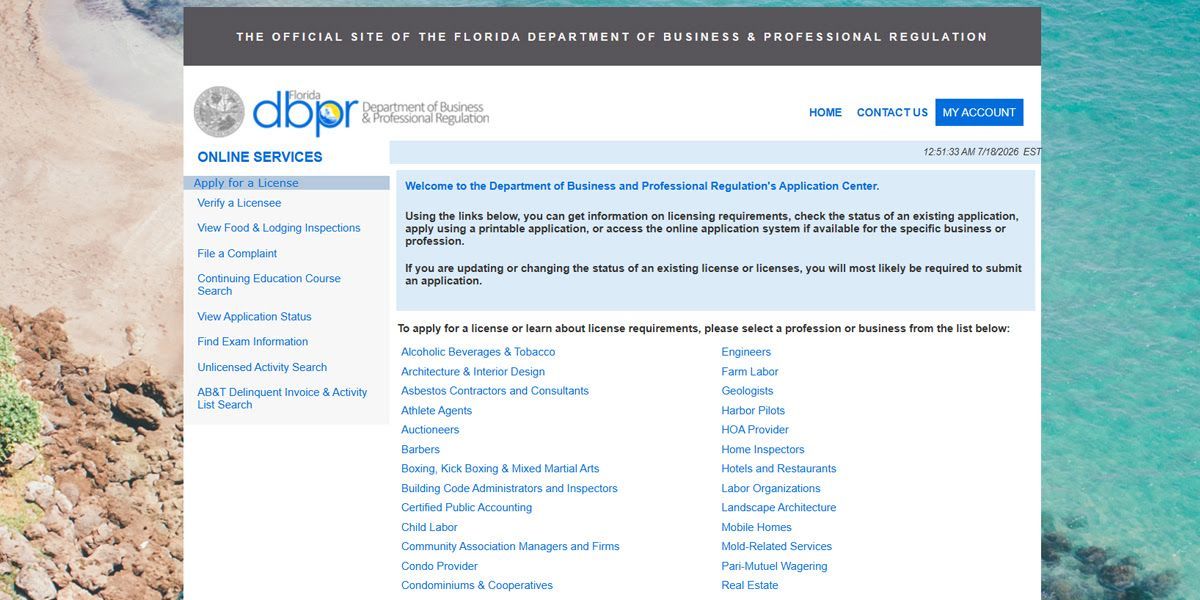
The application process itself is pretty easy - you submit the forms, pay the fees and plan for standard renewals to keep everything up to date. My one strong recommendation is to start this process well before your planned opening date. The wait times can run long, and every week that you spend waiting is a week that you're not taking bookings, which hits your income. An early start also gives you time to address any problems that come up during the review, so you won't have to rush to fix them right when you want to go live.
On top of the state license, Alachua County also has its own business tax receipt. It's the county's way of officially putting your business on record as operating within its borders, and it runs alongside your state license (it doesn't replace it), so you'll need to take care of both. Neither one covers the other. Both are pretty affordable and don't take long to set up. But they each have their own deadlines and renewal cycles, so it's worth tracking them separately.
Once these licenses are in place, they're fairly easy to keep. The main task is to put your renewal dates on your calendar and make sure that your contact information stays current with the agencies - that's all it takes to stay compliant. A short-term rental that stays clean on the compliance side is also a much easier sell to owners who want security alongside their rental income.
The Rules on Noise, Parking and Occupancy
Once the license is in hand, the day-to-day policies are what actually shape how your property gets managed. Alachua County puts a cap on the number of guests allowed at one time, and this number is tied directly to the size of your property. Exceed that limit and a complaint from a neighbor or the county is almost inevitable - and complaints are the last problem you want when you're still building your reputation in the area.
Occupancy caps are out there for a reason. Pack a rental house with guests in a quiet residential neighborhood and the whole feel of that street can change fast - and the neighbors will notice. Local residents have no problem speaking up when they feel like a short-term rental is disrupting their block. Game weekends and graduation season around the University of Florida are the exact moments when tension runs highest, and not coincidentally, they're also when hosts feel the most pressure to add a few extra guests. That pressure is worth resisting.

Parking is another area to stay on top of. Guests have to put their cars somewhere, and most county rules set a firm limit on the number of vehicles allowed on the property at any given time. Neighbor complaints about street parking are one of the issues that come up the most with short-term rentals - and without instructions in your listing or house rules ahead of time, a minor inconvenience can quickly turn into a genuine problem with the neighbors next door.
Quiet hours matter too. Most areas have a set window where noise has to stay down, and short-term rentals are subject to the exact same rules as any other property in the neighborhood. A quick mention in your welcome message (before guests even arrive) goes further than waiting until a complaint comes in.
For the exact numbers on occupancy, parking and noise limits, the Alachua County official website is the most reliable resource for up-to-date information specific to your property.
Rental Taxes You Still Need to Pay
Most booking sites will collect and remit at least some of your taxes on your behalf, which does make this a bit easier. Even so, it hardly ever covers everything. Part of your tax obligation may still need to be paid directly by you. That amount can depend on how your listing is configured. Florida especially is worth watching closely - the state and the county each charge their own separate taxes, and each of them expects to be paid.
Recordkeeping is what makes this manageable. Every booking, every payout and every tax the platform handled on your behalf - it should all be documented somewhere that you'll be able to find it when you need it. A clean paper trail means you'll always know what's already been taken care of and what still needs your attention.

Unpaid taxes are one of the more expensive mistakes a property owner can make - the county and the state will come back for what they're owed, and by the time they do, interest and penalties have already piled on top of the original amount. The longer that balance sits, the worse the number gets. One of the best moves you can make is to set aside a percentage of each payout the second it lands in your account, before it ends up mixed in with your other funds. Mentally treat it as money that was never available to spend, and come tax time, the bill will be much less painful.
Every property situation is a little bit different (different booking sites, different counties, different ownership structures) and what works for one owner won't necessarily work for another. In my experience, a small investment early on in this area legitimately pays for itself many times over.
Stop Neighbor Complaints Before They Even Start
Most enforcement actions in Alachua County don't actually come from an inspector on their rounds - they come from a neighbor who picks up the phone.
A noise complaint, a cluster of cars crowding the street or a trash bin left out too long - these are the issues that get a short-term rental flagged. Gainesville is a college town, and the tension between long-term residents and late-night activity has never quite gone away. The neighbors near your rental are already paying attention.
Most of it isn't too hard to get ahead of. A quick house guide can set expectations before guests even walk in the door - details like quiet hours, parking rules and a direct line to reach you if something comes up.
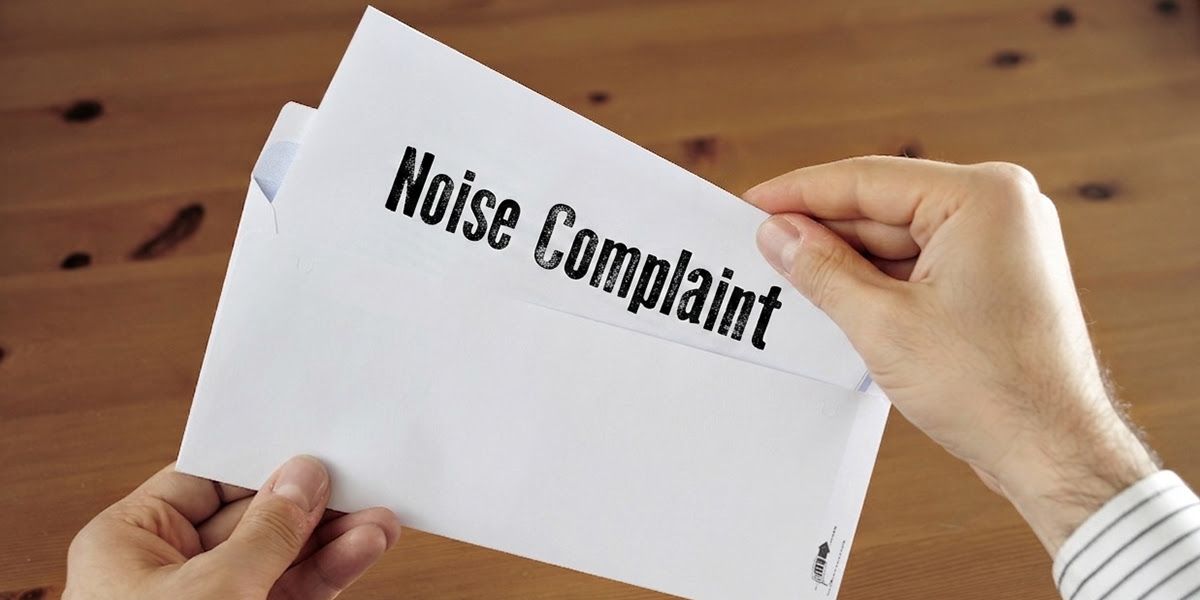
A quick introduction to the neighbors when you start renting the property, a card in the mailbox or just an open line for them to reach you directly if something comes up - goodwill with the neighbors next door is hard to put a dollar value on. When a neighbor knows there's a direct contact they can call instead of a complaint hotline, things almost never get past one friendly message.
For owners, it's a legitimately tough situation. Guests want to have fun, and the neighbors want peace and quiet - and neither is an unreasonable ask. The owners who usually wind up with the fewest problems are the ones who treat the neighbors next door like partners instead of a problem to manage. A relationship with your neighbors will do more to protect your rental than any written policy ever could.
Fines and Permit Loss That Can Add Up
The county has authority to act on this - it can hand out fines, add penalties that grow day by day, and, if the situation gets far enough out of hand, revoke your permit to operate the property altogether.
For owners, that last point doesn't sink in until it's already too late. The whole process after the fact is very painful - and it's an avoidable situation.
A lapsed license or a missed tax collection is just a gap that catches up with owners over time. The county has enforcement tools at its disposal and, in my experience, it doesn't pause to use them.

Local ordinances do get updated from time to time - what's compliant now might not hold up next year. It's just part of the short-term rental business, and a quick review of what's expected every now and then is always worth the few minutes it takes.
Compliance works best when it's just a steady part of your day-to-day - not something you address annually and then let slide. Every few months, it's worth a quick look at your license status, a check on whether your tax filings are up to date and a scan of any new county announcements. That covers most of it, and it doesn't have to take much time at all.
Compliance is one of the best steps you can take to protect all three - your income, your peace of mind and your standing with the county.
Let Us Handle the Details
Short-term rental compliance in Alachua County is actually pretty manageable, as long as you understand that the rules come from two separate places at once (state law and local ordinance) and both of them apply equally. A valid DBPR license, up-to-date tax payments, and a decent relationship with the neighbors aren't extras or nice-to-haves. Without all three, the whole operation won't run the way it should.
Owners who stay steady with the basics (a routine license status check, a small tax reserve from each booking, expectations set with guests from the start) usually have a much smoother experience compared to owners who treat it as a one-time job and stop paying attention. A little steady attention matters - it's what separates a rental that runs well from one that slowly starts costing more time and money.
With updated local ordinances always a possibility, it's worth checking Alachua County's official resources and the DBPR before listing or renewing. The rules here have shifted before, and they will very likely change again. A flexible strategy and a sense of what's currently required will put you in the best position to keep your rental running without any gaps, whatever ends up changing.

At some point, the demands of running a rental property start to add up - and that's usually when owners try
Pepine Property Management. We work with property owners across North Central Florida and take care of everything from tenant coordination and compliance to maintenance and financial reporting, so your investment keeps performing without taking up your time. Ask for a free rental analysis and find out what a professional management team can do for your property.
Share this post