
Rental Move-Out Inspection Checklist for Alachua County
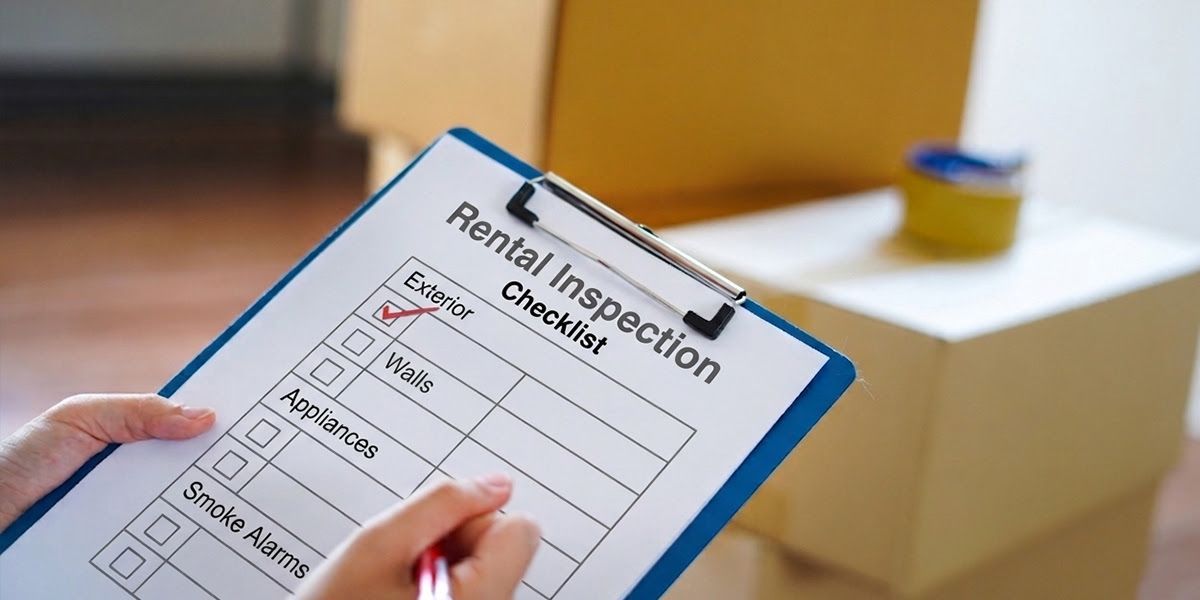
The move-out process is already one of the more stressful parts of renting, and in Alachua County (where the market moves fast and landlord turnover is high), the pressure hits even harder. First-time renters near the University of Florida usually hand over their keys with no idea what comes next, and then weeks later, a deduction letter shows up for items that they never even thought to document. That disconnect between what renters expect and what landlords charge for costs them real money.
But most renters go into the move-out process without a picture of their rights. Florida law does give tenants strong protections. But those protections only hold up when renters actually know how to use them. The line between normal wear and the damage that a landlord can charge for, the value of timestamped photo evidence and the deadlines around security deposit returns - it all directly shapes whether you walk away with a full refund or you're in a messy dispute. Miss any one of these steps and your deposit's legitimately at risk.
It also doesn't help that Alachua County's rental market has a high turnover rate, especially around the University of Florida. With so many leases ending at the same time each year, landlords are processing move-outs at once, which can sometimes cause mistakes or disputes.
I'll talk about everything from the fine print to the walkthrough itself to what you should do if a dispute comes up - everything an Alachua County renter needs to know before handing over those keys.
Florida Law and What It Means for Renters
Florida Statute Chapter 83 is the state law that covers landlord-tenant relationships across Florida, and it applies to every rental in Alachua County, no exceptions. The law covers what landlords and tenants are each responsible for, and the part that's going to matter most to you as a renter is the legal protection that it gives you for your security deposit. Plenty of renters (college students especially) make it all the way through the move-out process without ever learning that this law even exists. Your whole strategy for that final inspection will change quite a bit.
Chapter 83 has quite a bit to say about what your landlord can and can't do with your deposit. The law puts limits on how those funds can be used, and it also walks through a very specific set of steps a landlord has to work through before they can take a single dollar from it. A landlord can't hold onto your money without going through that process first - and if they cut corners or skip any part of it, the law gives you a strong way to push back.
Chapter 83 is one of the first resources I'd recommend that you read before move-out day. Even a basic read-through of the main parts puts you in a much stronger position for everything that follows. The law is publicly available, and it's written plainly enough that most renters can get through it on their own - no legal background or law degree needed. A well-prepared tenant gives a landlord much less room to make questionable deductions. The more you understand the law before that inspection, the harder it is for a landlord to dispute your claims. A little preparation helps.
With Chapter 83 out of the way, the next part to understand is what Florida law actually counts as property damage - as opposed to the normal wear and tear that just comes with any home that's been lived in.
The Line Between Wear and Real Damage
What they can charge you for is a whole different matter. Deep carpet stains, holes in the walls, a broken fixture that wasn't present on the move-in day - those are all fair game, and they're on you. But landlords don't always draw that line where it's supposed to be - it's where most of the security deposit arguments start.
Cast your mind back to the first day you picked up the keys to your place. There may have already been a worn path in the carpet near the front door or small scratches on the baseboards. Any damage that was already there when you moved in should never come back to you as a charge. That's worth pushing back on if your landlord tries to bill you for something that was already there before you moved in.
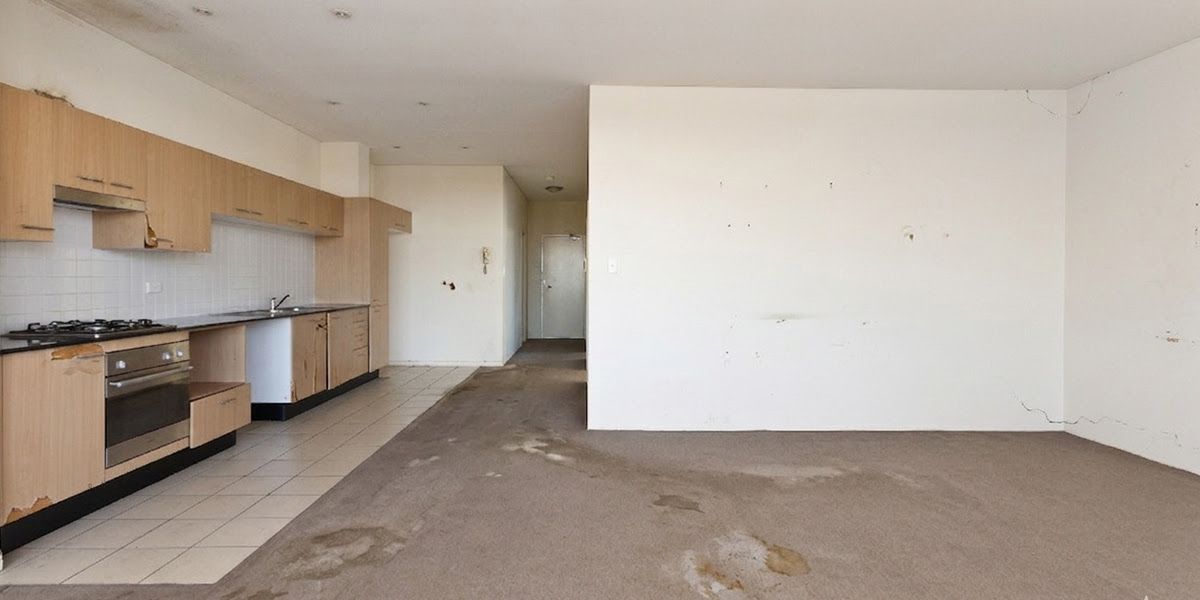
That's why move-in documentation matters as much as it does. Photos, written records and even a quick video walkthrough on day one give you something concrete to point back to later - proof that holds up when memories get fuzzy. Without that paper trail, it's your word against your landlord's, and that's not a position anyone wants to be in when a chunk of their deposit's on the line. Documentation tends to feel unnecessary right up until you need it.
The next section goes room by room through your rental so you can get a close look at everything in there before you hand the keys back.
Check Each Room Before You Leave
For the walkthrough, go room by room so nothing gets missed. The kitchen is always a great place to start. Every appliance that came with the unit needs to actually work - go ahead and run the stovetop burners to make sure that they heat up like they should. The oven interior and the refrigerator are worth a careful look - grease buildup and old spills in those areas are two of the most common reasons tenants lose part of their deposit. Give the cabinet interiors a wipe-down as well, and do a quick check that hinges and drawer pulls are still in place.
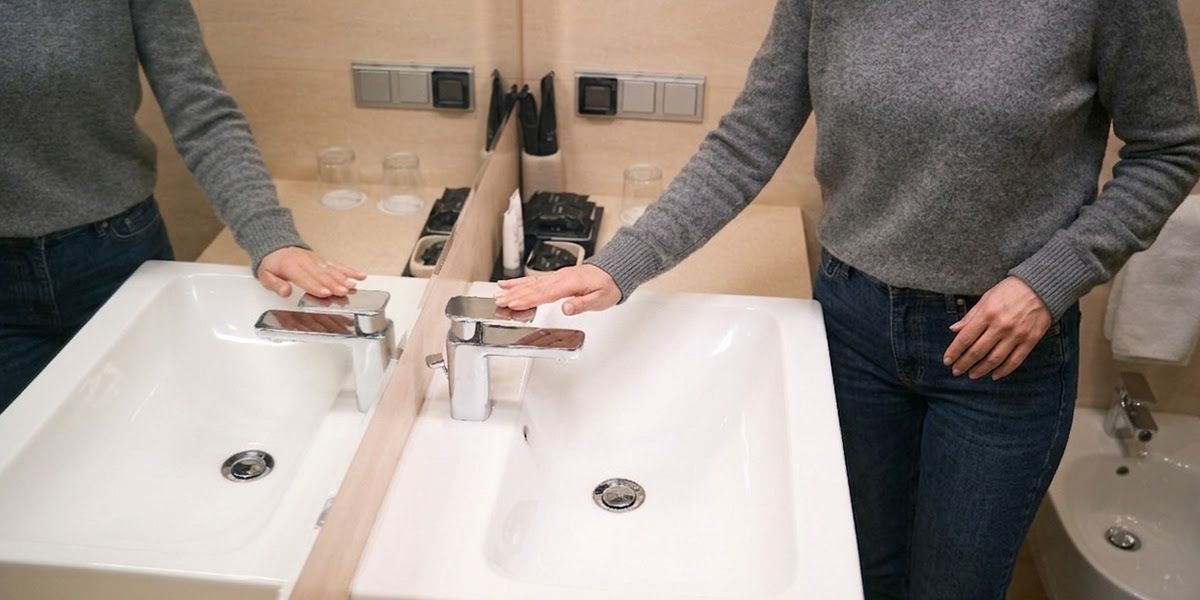
Bathrooms deserve a little extra care - it's especially true for the caulk at the tub and sink. Give the exhaust fan a quick test, make sure that the faucets feel snug and watch for any tiles that have cracked or come loose.
For the bedrooms and living areas, walk the perimeter of each room and take a close look at the walls. Any holes, scuffs or stains that a fresh coat of paint can cover are what landlords are trained to spot - and they're quite apt to find them. While you're at it, test every light switch and outlet to make sure that they work and check that doors open and close without any resistance.
Floors are worth paying extra attention to throughout the entire unit. Scratches on the hardwood or tears in the vinyl can turn into some pretty expensive repair charges, and landlords in Alachua County will flag these on the move-out form. For carpeted rooms, make sure to check in the corners and along the edges - in my experience, that's where pet damage and stains like to hide, and a quick once-over won't always catch them.
Last up, if the rental has a patio, a yard or a garage, those areas need attention too. Go through each one, grab any personal belongings that you might have left behind and get each space back to roughly the condition it was in on move-in day.
Take Photos and Video to Protect Your Deposit
A set of photos and video taken at move-out - it's one of the most helpful steps a renter can take, and yet so many renters just never bother. All it takes is a few minutes with your phone camera, and what you get is timestamped proof of just what condition the unit was left in.
Gainesville's rental market moves at a pretty fast pace. Landlords are turning over a massive number of units every semester, and at that volume, records get mixed up pretty easily. Without something of your own to fall back on, there's no way to dispute a damage charge that was never your fault.
Go through every room and photograph each of the walls, the floors and the appliances. Your phone or camera will usually embed the date and time into each file automatically, so double-check that this feature is on before you start. Move-out photos are most helpful when you put them next to your move-in inspection photos - if your landlord has those on file, a side-by-side look will make it very easy to see just what changed and what didn't.

A landlord claiming there's a scuff on the wall or a stain on the carpet that you left behind puts you in a tough spot if you can't back it up with any proof - at that point, it comes down to your word against theirs. One of the best ways to protect your deposit is to take a quick walkthrough video, recorded on the same day that you hand over your keys. Go room by room and narrate what you're seeing as you film - the commentary makes the footage quite a bit more helpful if you ever need to pull it up later.
One more detail to add - video is more convincing than photos on their own. A walkthrough video of the unit is much harder to challenge in a dispute than a few still shots, and it captures everything in a way that a handful of photos just can't. Both are worth doing when you have the time.
Ask for a Joint Walkthrough With Your Landlord
It's easy to just hand over your keys and wait to hear back - but as a tenant, you actually have the right to request a joint walkthrough with your landlord before your move-out date.
A joint walkthrough lets you see any problems with your own eyes. If anything does come up, you can work with it right then and there - either with a quick fix or just a short conversation that ends with written confirmation that the unit's in decent shape. An in-person exchange will usually be more productive than going back and forth over email for weeks.
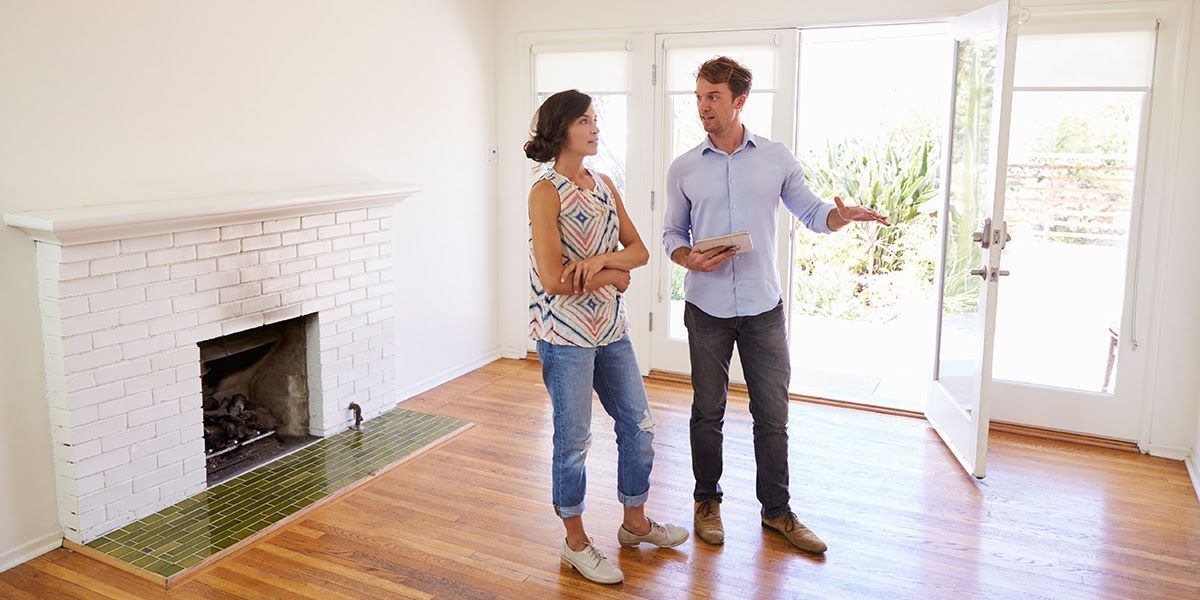
Without one, the process can go sideways pretty fast. Skip the walkthrough altogether and just hand over your keys - you might not hear a single word back until a deduction letter shows up in the mail. At that point, there's no easy way to push back or to get anything worked out before the clock runs out.
If your landlord agrees to the walkthrough, get them to sign off on something basic that documents the condition of the unit. Nothing too involved is needed - just a written record with a date and each of your names on it. From there, it's also worth learning about how Florida law covers the period right after you hand your keys back - specifically the 30-day window that your landlord has to make any claims against your deposit.
Your Landlord Has a 30-Day Deadline
After the walkthrough finishes, the clock starts for your landlord. Florida law gives them a strict 30 days from your move-out date to send you a letter that covers any deductions they're planning to take out of your deposit. Not 31 days. Not "whenever they get around to it." 30 days and the deadline doesn't move.
Missing that window can cost a landlord the right to make any deductions at all - full stop. Legitimate charges like repairs, new paint and fresh carpet can all become unenforceable if that letter arrives even a day or two late. The law was written this way deliberately as a protection, so tenants aren't pulled into disputes that drag on for weeks or months after they've moved out.

Start by checking whether your landlord even sent that letter within 30 days of your move-out date - and whether it came in writing. A phone call doesn't count, and a text message is a gray area at best. What the law actually calls for is a written statement that covers each deduction and the reason behind it.
If nothing ever arrived in writing within that window, that detail deserves a bit more attention than it gets (it doesn't automatically mean your landlord had bad intentions). It just means they may have already forfeited their legal right to hold onto any portion of your deposit. A missed deadline is one of the most common ways that landlords lose those rights altogether. The law has a hard cutoff, and usually, they just didn't move fast enough.
Keep your move-out records in a safe place and save every bit of written communication from your landlord. The exact date that a letter was sent (or never sent at all) can turn out to be the single biggest detail in the whole dispute.
Let Us Handle the Details
Move-out inspections can be stressful - especially if it's your first time going through one. A little bit of preparation can go a very long way here, though. Florida law gives renters some protections. A paper trail of the unit's condition, paired with basic landlord communication, can matter quite a bit in how the process plays out. None of that calls for anything tough - it just takes a bit of effort up front. Renters who walk away with their full deposit back are usually the ones who came in prepared.
I want you to feel more confident about what to expect - that's the whole point. The rental process is pretty manageable when you know what to look for and what to ask. Most first-time renters have no idea how much say they have going into it. That one change in thinking alone matters quite a bit in how everything plays out.

For anyone in the Gainesville area who's looking for a rental with responsive communication, well-maintained properties and a management team that actually picks up the phone - we're worth a look at Pepine Property Management. And for property owners who'd like to leave the day-to-day work to a team that takes care of the details, we're ready for that conversation whenever you are.
Check out our available rentals, get a free rental analysis, or just reach out and say hello - we'd love to hear from you!
Share this post