
Florida Mold Liability for Alachua County Landlords

Florida's legal framework around mold is messy and not in a small way. No single statute gives you a checklist of what landlords are responsible for or any hard deadline for doing it. That gap is actually a big problem, because it tends to pull disputes into a much wider legal territory (negligence claims, habitability violations, breach of contract) where the outcome can come down almost entirely to your documentation and your timing. For landlords with properties in Gainesville or anywhere else in Alachua County, the margin for error is pretty thin, and the stakes are very real.
Alachua County's climate does make conditions harder for landlords. The humidity here is high all year long, and mold doesn't need an excuse to get started - it can spread fast once it does. A slow roof leak, a backed-up HVAC drain or a small gap around a window frame give you visible growth in just a matter of days. Many landlords file this under a "cosmetic issue" and just patch it over. But that attitude carries some legal weight in Florida. The state has a well-defined standard for how mold needs to be handled - a fast response, documentation and work done by licensed pros. Fall short of that and a landlord can find themselves on the wrong side of a habitability claim with very little ground to stand on.
Rental properties in this part of Florida are going to demand more from you than a comparable property in a drier climate ever would.
Let's talk about what Alachua County landlords need to know about mold liability!
Florida Law Says Rentals Must Be Livable
Florida Statute §83.51 is the baseline for what landlords in Florida are legally responsible for. The law says that landlords need to make sure that their rentals are in a livable condition and that structural elements like the roof, walls and plumbing are taken care of. Just about every habitability dispute in the state will trace back to this statute at some point - it's what most of these cases come back to.
Mold is where that law starts to matter. Florida courts can treat mold as a habitability violation under §83.51, and when they do, the legal responsibility lands squarely on the landlord (not the tenant, not the weather, not anything else). Just the landlord.

Landlords see a little mold and write it off as a cosmetic issue - just some discoloration that doesn't affect anyone. Courts don't always see it that way, and the gap in perspective is right where the liability tends to start. Once a tenant can show that the mold made the unit unsafe or unhealthy to live in, the landlord's failure to respond can become the center of the whole case - and from a legal standpoint, it's a pretty tough position to be in.
At some point, you should ask yourself whether your property would cross that line - not in some worst-case scenario but in its current condition, with whatever repairs have been put off or quietly neglected along the way. The law doesn't make exceptions for landlords just because the damage wasn't intentional. What actually matters is whether the property was kept in a condition that a tenant could safely and reasonably live in.
That's the part that I see landlords underestimate the most. The law doesn't need the damage to get dramatic before it applies.
The Local Climate Makes Mold a Real Problem
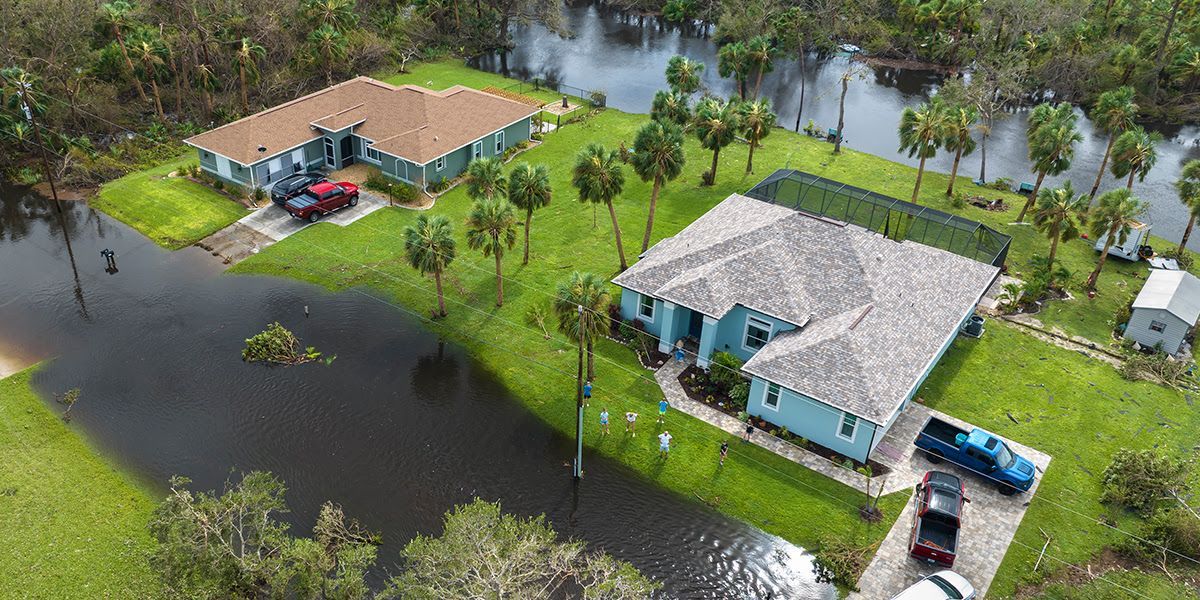
Gainesville's average humidity sits above 70% for most of the year, and the long summer rain season leaves walls, floors and crawl spaces wet for months at a time. Moisture is part of life here, and every property owner in the area has to manage it at some point.
Mold liability is where it can get messy. Blaming the tenant the minute that mold shows up rarely holds up in a place like Gainesville. A tenant who left a window open during a rainstorm is a very different situation from a building that never had a chance to dry out. With a climate like Gainesville's already in the equation, it gets way harder to pin this on any single cause.
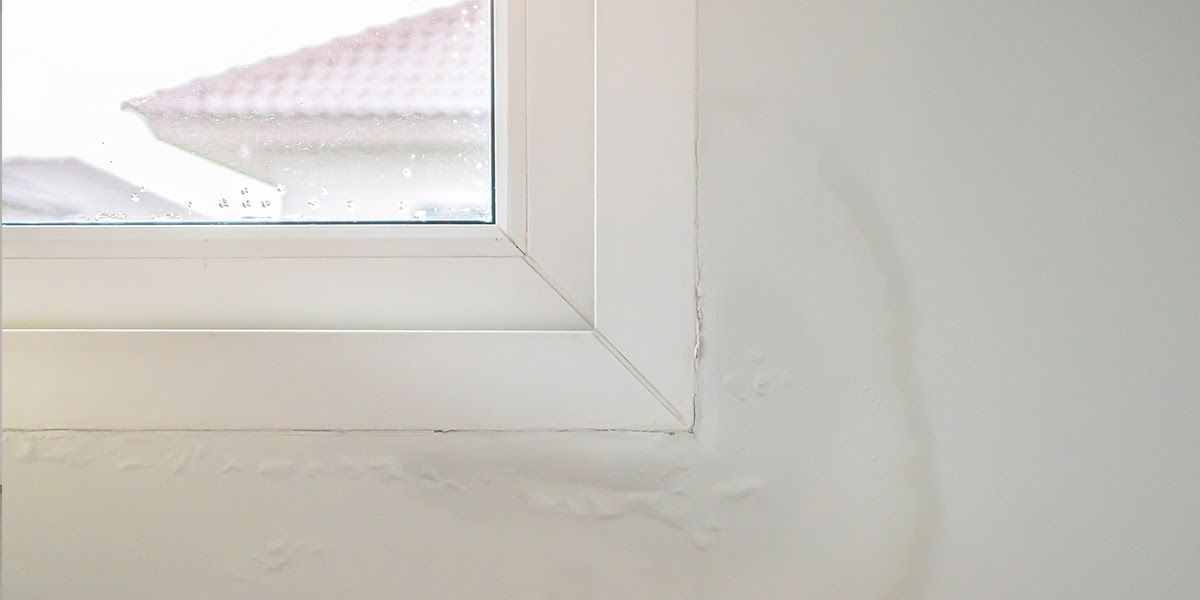
For landlords in Alachua County, this raises the bar on what a sensible mold response looks like. A property that does just fine in a dry climate like Arizona's can become a liability in Gainesville's conditions. The local environment tends to speed up problems that might take years to develop somewhere else - and mold is one of the first issues to show up.
As a landlord, your local environment deserves more attention than it normally gets - and it's the first place to look if you want to protect yourself. Moisture problems in a given area aren't always a sign of neglect or carelessness - sometimes it's purely a matter of the location. The landlords who actually get that are usually way better prepared when a dispute does come up.
Florida Does Not Have a Mold Law
Florida doesn't have a standalone mold law, and while that means one less statute to track, it tends to make it tougher for landlords, not less. Without a dedicated mold statute on the books, tenants and their attorneys have to get a little creative with how they structure a case. Most of these disputes will fall under negligence, breach of contract or the implied warranty of habitability - that last one comes up in mold cases regularly.
The implied warranty of habitability is a legal principle that means a rental unit has to be livable at the start of the lease - and stay that way for as long as the tenant lives there. A landlord doesn't have to write this promise down or verbally agree to it (it gets attached to every residential lease in Florida automatically, regardless of what the lease itself says). This concept was largely introduced into mainstream housing law by a 1970 New Jersey case called Marini v. Ireland, and its reach still very much shapes how courts work through habitability claims.
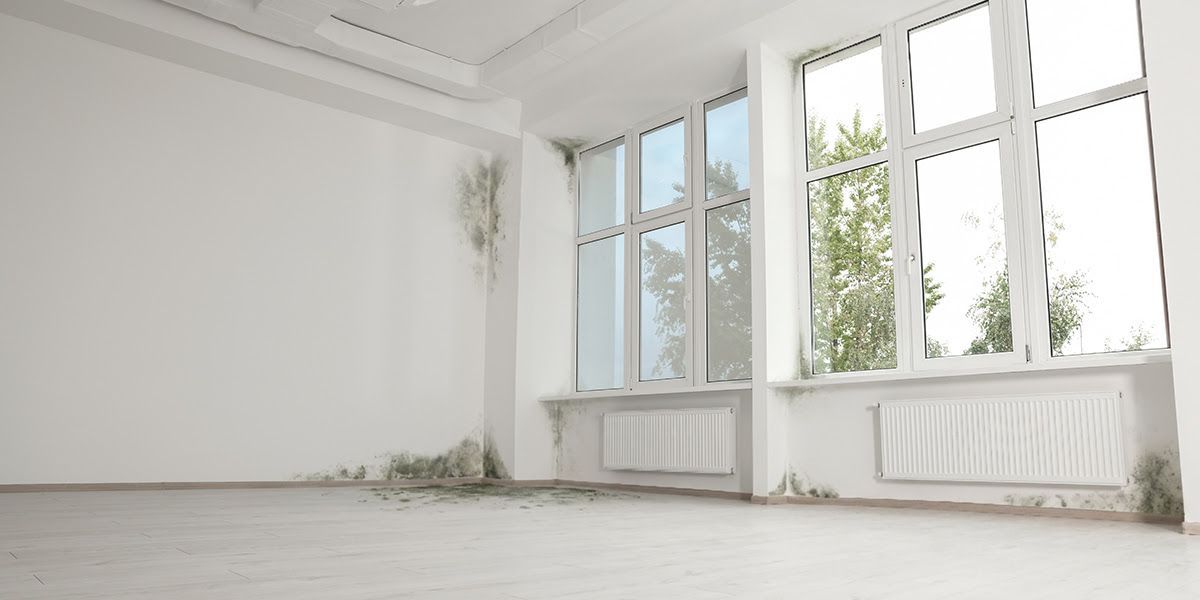
What especially matters here is that the warranty doesn't require a tenant to prove intent - they just need to show that the condition exists, that the landlord knew about it and that it wasn't fixed within a reasonable time. Mold fits well into that framework, which is part of why it comes up in habitability claims so regularly.
From a practical standpoint, landlords who respond to mold complaints promptly and keep records of those responses tend to be in a much stronger position if a dispute ever moves forward. The absence of a mold statute doesn't cut back on the exposure - it just changes the path a claim takes to get there.
How Tenants Can Prove a Mold Case
When a tenant decides to move forward with a mold-related legal claim, they usually bring extensive records to the table. A strong case can include written complaints, dated photographs and medical records that tie a health issue directly back to the rental unit. The tenant also needs to prove that the landlord actually knew about the mold and just chose not to fix it.
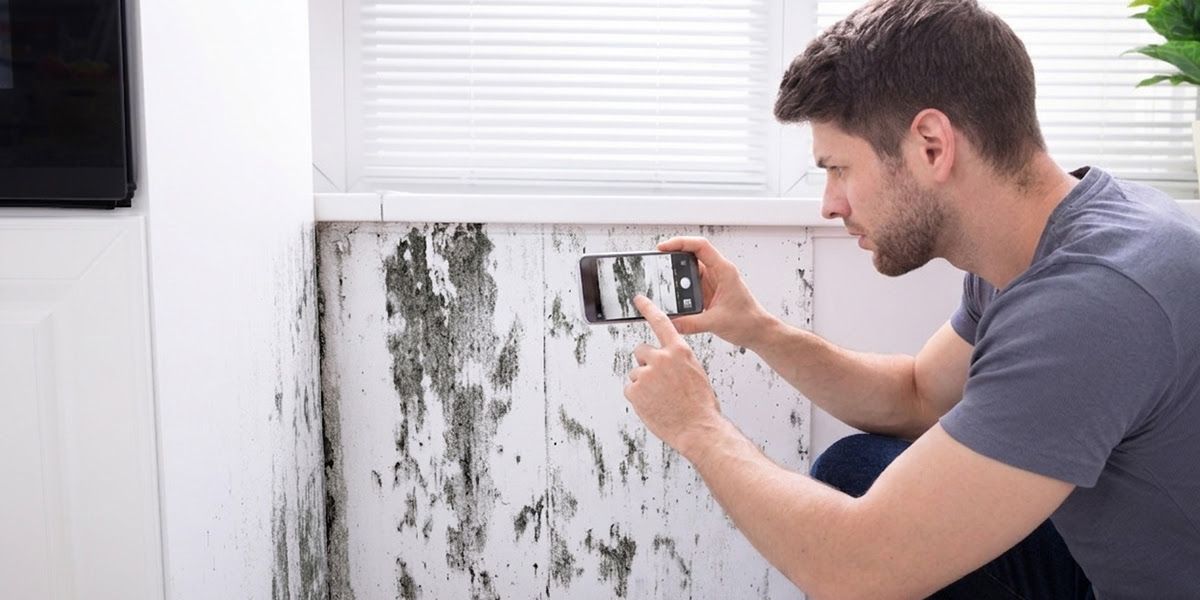
That last part is where most of these cases get decided. Proof of knowledge (or, in other words, documented evidence that the landlord was notified) matters more to a mold claim than almost anything else in the file.
Tenants in Alachua County also have access to organizations that give free legal help and can walk them through this whole process. No tenant has to work out a legal strategy on their own. These organizations can help them get records in order, put together formal complaints and make sure a tenant has a full picture of their rights under Florida law. For anyone who is willing to reach out and ask, it's worth having.
Think about it this way - if a tenant sent a written complaint to your inbox last month, you should be able to pull up proof of your response. Most landlords track maintenance requests and repairs well. But the communication side of the process is where I see the biggest gaps. A tenant's paper trail doesn't need to be all that long to hold up in a dispute - even a few well-dated emails or text messages can carry actual weight. A landlord's missing or incomplete communication records can work against you very fast. It's one of the parts of property management that tends to get ignored, and it almost never gets the attention it deserves until something has already gone wrong.
How a Fast Reply Protects You in Court
The second a tenant files a mold complaint in writing, a clock starts. Your response time (and past that, how well you document every step along the way) will be the two factors a judge wants to see if this ever gets that far.
The first step is to write down the date the complaint came in, who you reached out to about the problem and what was done to fix it. Store that somewhere you'll find it - those records come up sooner than later.
One unanswered email can be entered as evidence of negligence in court - this holds true even if the mold problem itself turned out to be pretty minor. The liability comes from not having a response, not from how bad the issue actually was. I see this get landlords in trouble because most of them don't know how much weight that carries until they're already in the middle of a lawsuit.

With multiple properties on your plate, it's not easy to stay on top of everything. Emails pile up, and voicemails sit unheard for a few days - even the most experienced landlords run into this, and it's understandable. One missed complaint, though (the kind that quietly turns into a lawsuit), can cost far more than whatever the original repair would have been.
A judge wants to see that you took the complaint seriously and acted on it within a decent timeframe. A documented response (even a messy or incomplete one) puts you in a far stronger legal position than having nothing to show at all. Date stamps, contractor invoices, follow-up logs and photos of completed work - that builds a record and tells the story that you want to be told if this ever ends up in front of a court.
Mold Must Be Handled by a Licensed Pro
Property owners try to save a few dollars by sending in a handyman with a can of cleaning spray, and it usually makes the situation worse instead of better. What was once a manageable issue can quietly grow into a much bigger one - and now you also have a paper trail showing an uncredentialed person attempted the work. That documented history can create problems with insurance carriers, future buyers and local inspectors.
Whatever you save by skipping a licensed contractor, it's almost never worth what you stand to lose when a liability claim shows up - not even close. A tenant's attorney will go through your maintenance records, and unlicensed work is what they're hoping to find. Your position gets much harder to defend once it's documented, and at that point, it's nearly impossible to walk that back.
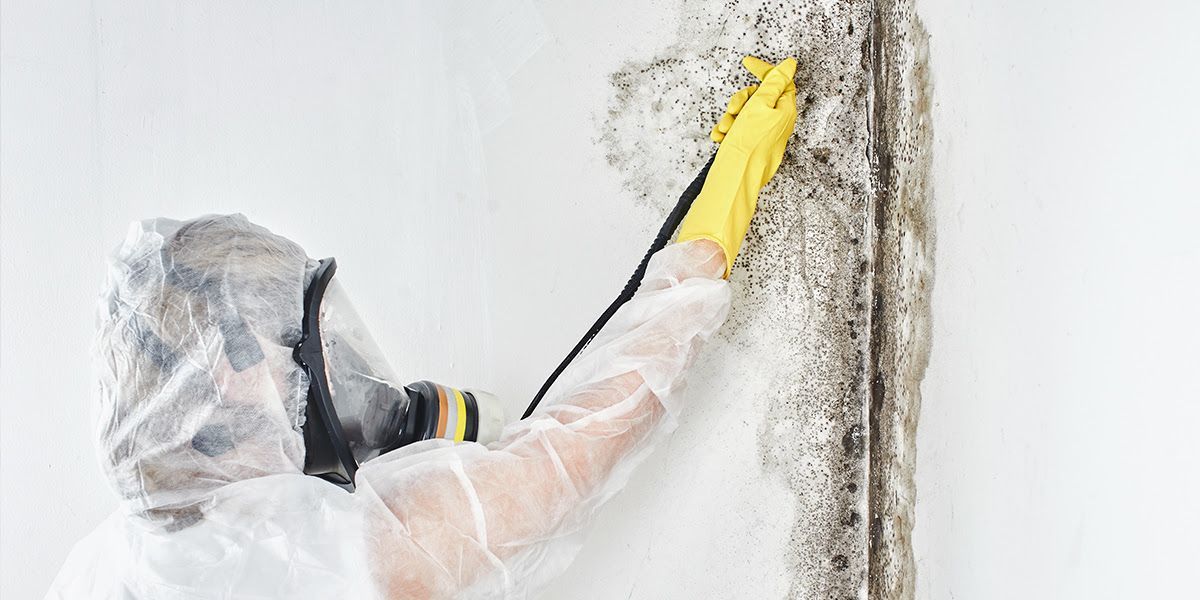
Licensed mold assessors and remediators work within a regulated process, and every step of that process gets documented along the way. That paper trail is what actually protects you when a dispute comes up - it proves that you knew about the problem and addressed it with qualified pros. Building a strong defense in any legal dispute gets much harder without that documentation. In my experience, the courts and attorneys just want to see the records.
That kind of shortcut just isn't worth the risk for any property owner with multiple units.
Let Us Handle the Details
Mold liability in Alachua County is something every landlord needs to plan for. The climate here gives you mold growth year-round. That alone puts property owners in a tough place. The legal lines around landlord responsibility are anything but easy, and tenants have more than enough resources to build a strong case against you. Put that together, and it's a legitimate situation. The upside is that none of this has to get out of hand - with the right plan in place, it's very manageable.
Part of what makes mold liability so tough is that the problems are usually gradual. A small moisture problem in one unit can turn into something quite a bit bigger if it isn't caught early. And if a tenant raises a complaint that wasn't addressed in a reasonable time, you could be looking at actual legal exposure. But there are straightforward steps that you can take for your protection.

At Pepine Property Management, we serve property owners from all across North Central Florida, with services that cover everything from maintenance coordination and tenant communication to the record-keeping that protects you when it counts. A mold complaint, a scheduled inspection or a billing dispute - our professional management team takes care of it all, so nothing gets missed. Problems get spotted early and handled before they grow, since our dedicated team is behind you.
A well-managed rental property doesn't have to feel like a second job - get in touch with Pepine Property Management for a free rental analysis and see what our team can do for your investment.
Share this post